
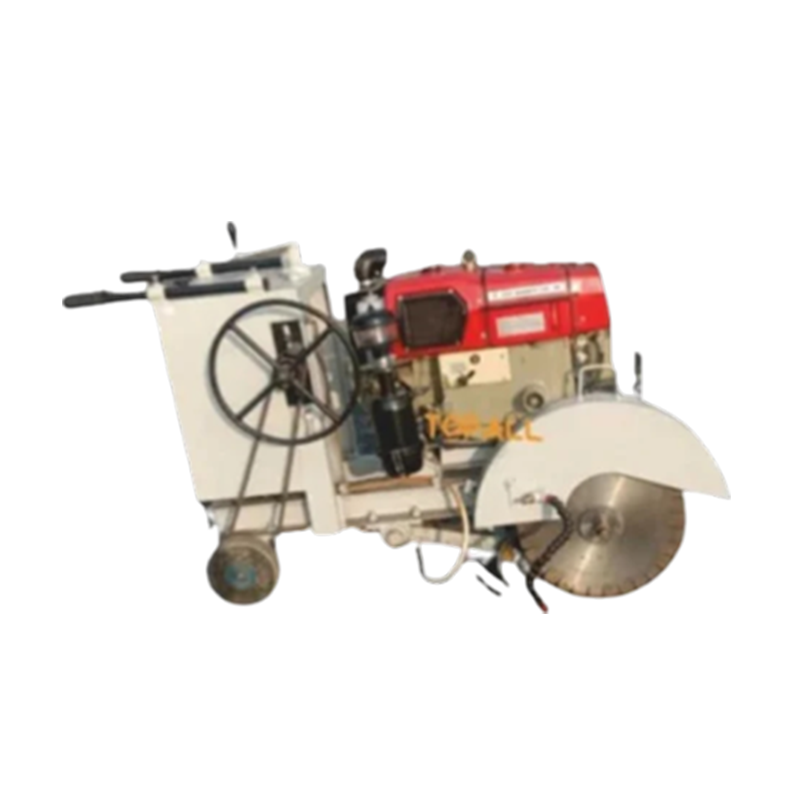
Concrete Cutter in Banswara
A concrete cutting machine is a powerful industrial tool used to cut, slice, and shape concrete, asphalt, stone, and other hard construction materials with precision and efficiency. It uses high-speed diamond-tipped blades or abrasive discs to deliver clean, accurate cuts without damaging surrounding structures. These machines are widely used across construction, road building, demolition, renovation, and infrastructure projects. They save time, reduce labor costs, and deliver professional-grade results that manual methods simply cannot match. Available in multiple types — including floor saws, wall saws, core drilling machines, and hand-held cutters — concrete cutting machines are built to handle both light-duty and heavy-duty cutting tasks with equal effectiveness. At Topall Impex, we manufacture and supply high-quality concrete cutting machines in Delhi and across India since 2008. We offer factory-direct pricing, genuine spare parts, and reliable after-sales support — making us the most trusted choice for contractors and builders nationwide.
Technical Variants
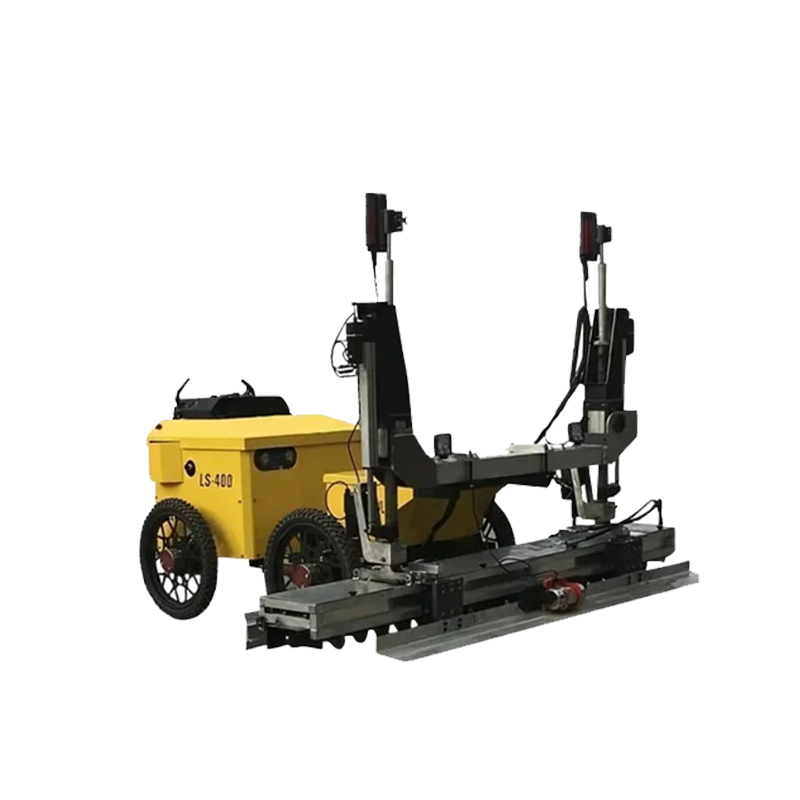
| Usage/Application | Laser Levelling Machine |
| Rated Motor Power | 1200 Watt |
| Surface Recommendation | Granite, Marble |
| Drive Type | Gear Box Drive |
| Current Type | 220-240 V | 50 Hz |
| Motor Phase | Single Phase |
| Noise Level | Less than 70 dB |
| Weight | 741 kg |
| Country of Origin | Made in India |
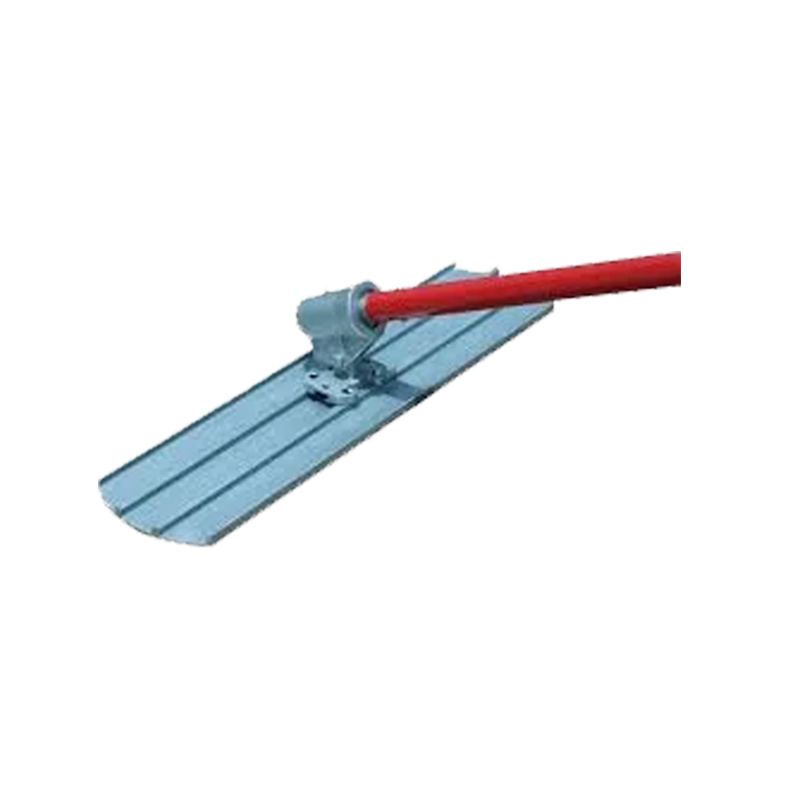
| Usage/Application | Bull Float |
| Blade Material | Magnesium |
| Width | 36 |
| Brand | Topall |
| Finishing | Smooth |
| Operating Mode | Manual |
| Length | 24 - 28 inch |
| Bracket Material | Cast Aluminum |
| Bracket Type | Worm Gear |
| Country of Origin | Made in India |
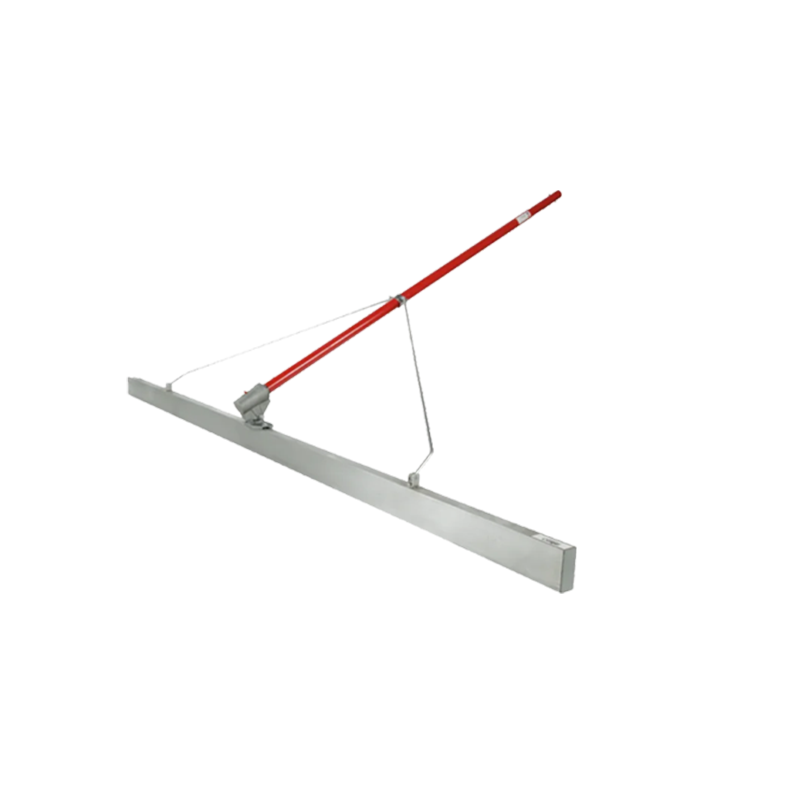
| Usage/Application | Bump Cutter |
| Handle Length | 1.8 m |
| Operation Mode | Manual |
| Brand | Topall |
| Blade Lenght | 3 m |
| Number of handles | 3 Pcs |
| package size | 3040 x 90 x 140 mm |
| Weight | 13 Kg |
| Screed Material | Aluminum |
| Country of Origin | Made in India |
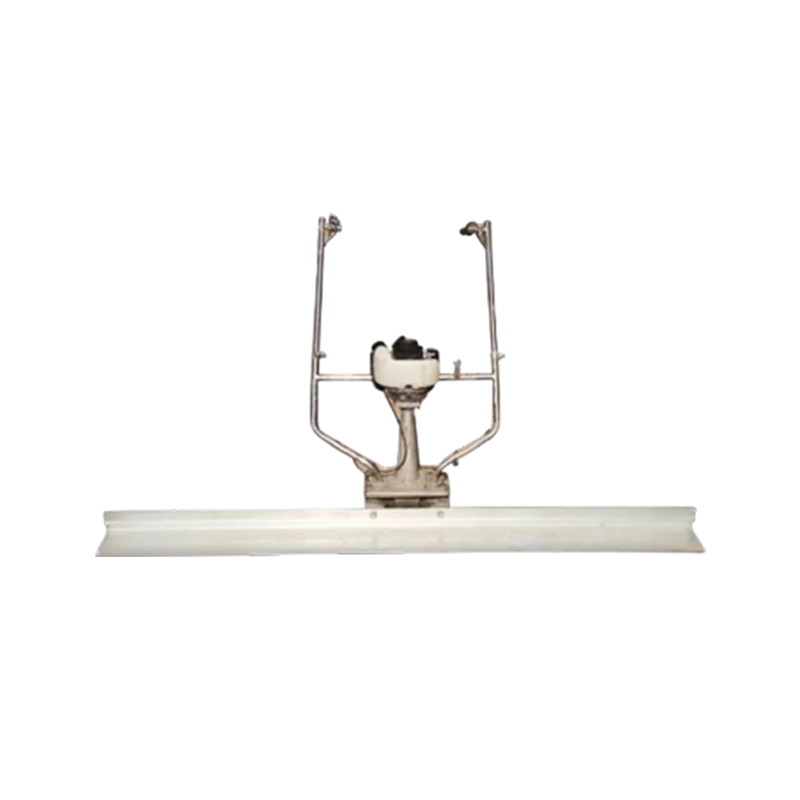
| Model | CVS25C - CVS25E |
| Weight (Kgs) | 20 - 25 |
| Dimension (mm) | 2000 × 200 × 960 |
| Drive | Flexible Shaft , Shutter Motor |
| Power | Air Cooled, 4-Cycle, Gasoline , Three Phase Electrical |
| Type | Honda GX35, Imported |
| Max Output | 0.2 HP - 1.2 HP |
| Fuel Tank (Gal) | 0.65 (0.17) |
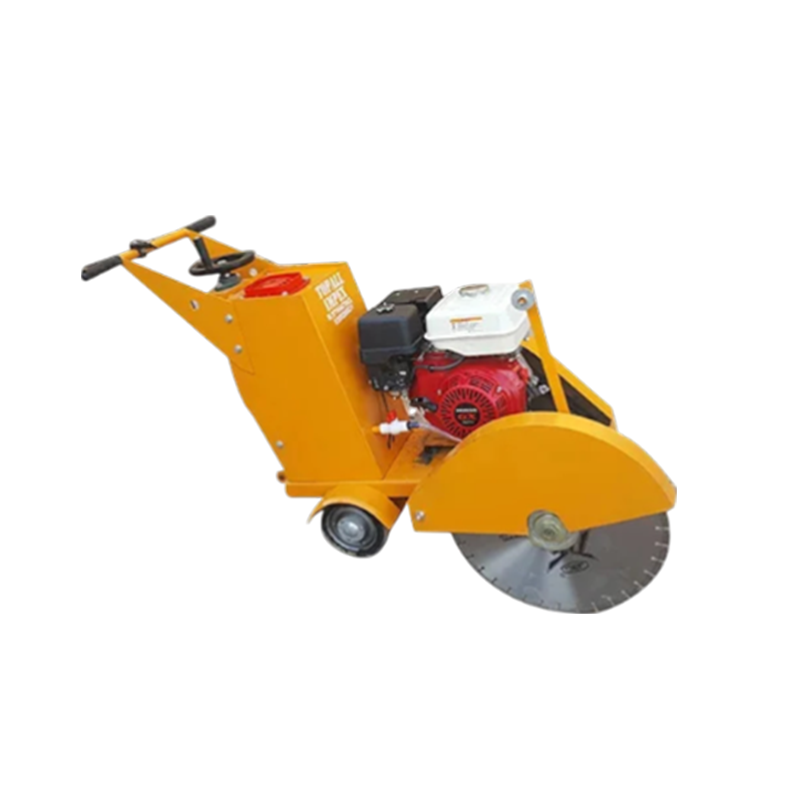
| Usage/Application | Groove Cutter |
| Driving Method | Manual Push |
| Engine Type | Honda GX270 Petrol |
| Operation Mass | 90 Kg |
| Water Tank Capacity | 35 L |
| Depth Adjustment | Handle Rotation |
| Engine | Air-cooled,4- cycle,single cylinder |
| Blade Size | 12-20 inches |
| Model | CQF16 |
| Country of Origin | Made in India |
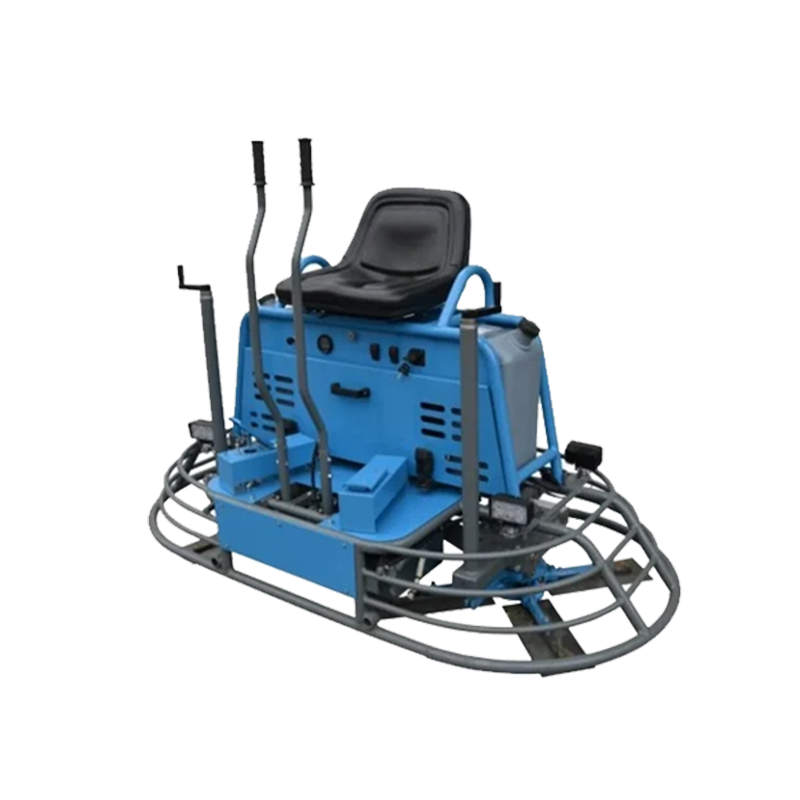
| Usage/Application | Ride on Trowel |
| Material | Power Trowel |
| Power | 34 Hp |
| Disc Thickness | 3 mm |
| Weight | 598 Kg |
| Size | 2540 * 1240 * 1485 (mm) |
| Round Disc Blade Diameter | 1200 mm |
| Quantity Of Blade | 10 blades |
| Engine Type | Kohler CH 940 |
| Country of Origin | Made in India |
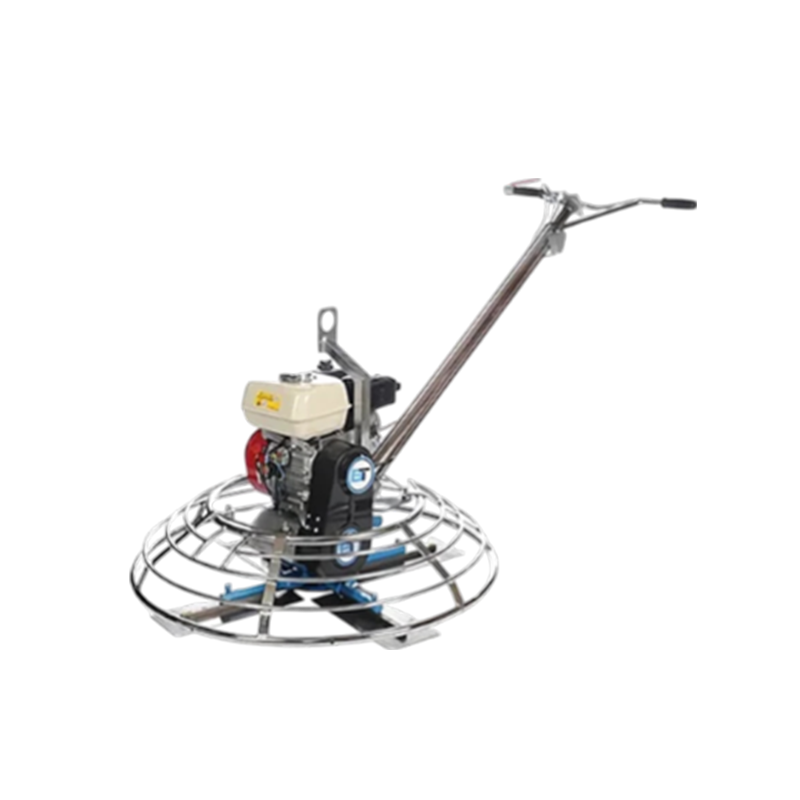
| Usage/Application | Power Trowel |
| Working Diameter | 915 mm |
| Dimensions | 1820 x 945 x 980 mm |
| Engine Power | 5 HP |
| Model | CWD 40 |
| Oil Tank Capacity | 3.6 L |
| Pan Quantity | 1 Piece |
| Blade Quantity | 4 Pieces |
| Working Speed | 70-125 RPM |
| Country of Origin | Made in India |
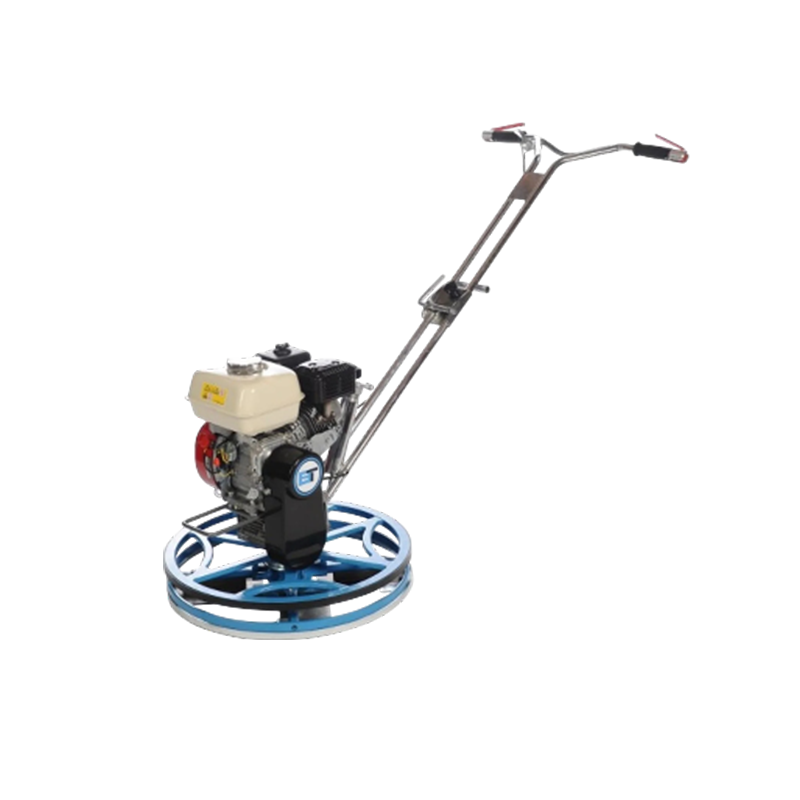
| Model | QJM 600 |
| Working Diameter (mm) | 600 |
| Engine Type | Honda GX 160 |
| Max. Output (HP) | 5.5 |
| Weight (Kg) | 53 |
| Dimension (mm) | 1460 × 660 × 980 |
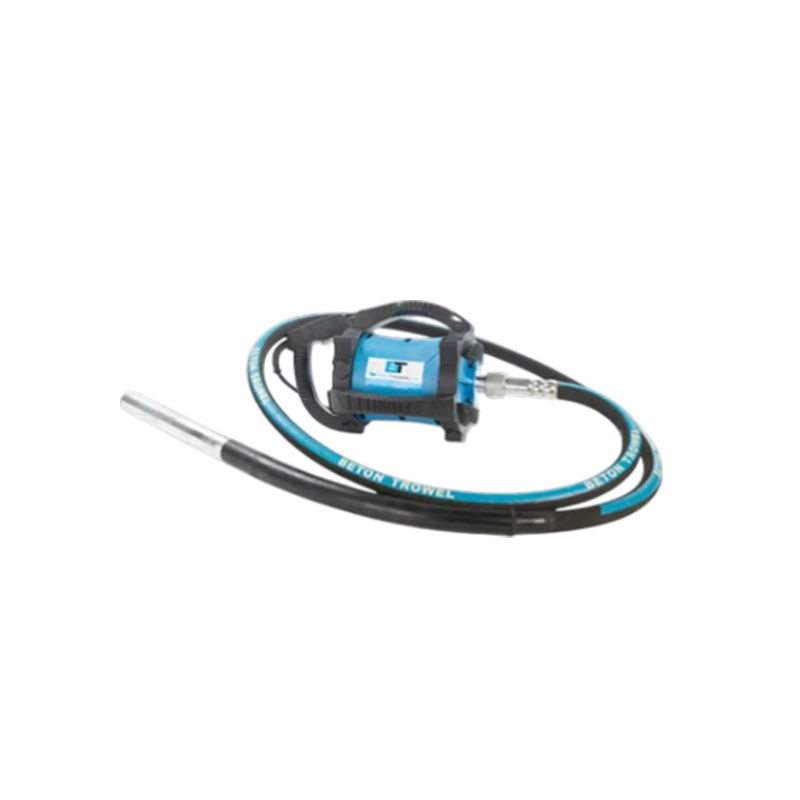
| Usage/Application | High Frequency Vibrators |
| Input Voltage | 115 |
| Power | 42v |
| Model Name/Number | HVU110 |
| Brand | Topall |
| Output Power | 2.3kw |
| Input Phase | Three Phase |
| Speed | 18000 |
| Phase | 3 |
| Country of Origin | Made in India |
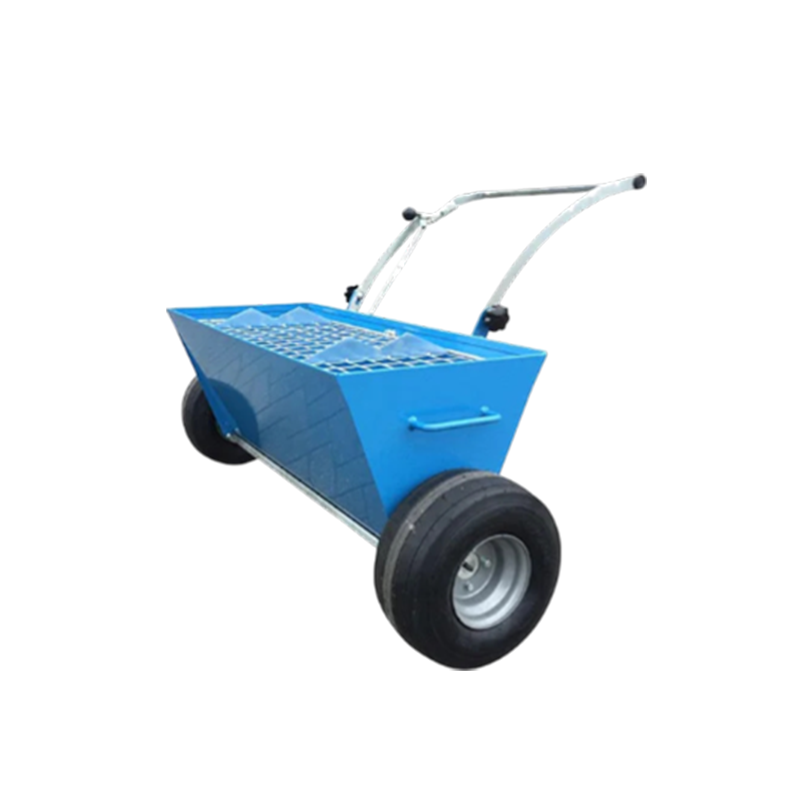
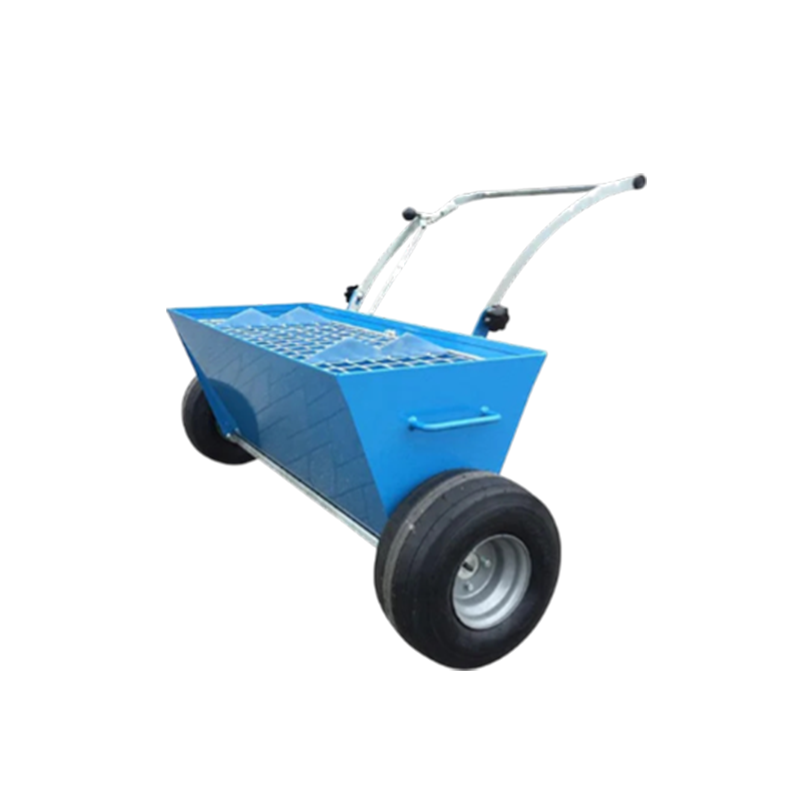
| Usage/Application | Hardener Spreader |
| Automation Grade | Semi Automatic |
| Product Type | Hardner Material spreader |
| Brand | Topall |
| Roller Type | Semi Automatic |
| Capacity | 100 kg |
| Material | Stainless Steel |
| Fuel Tank Capacity | 12 |
| Minimum order quantity | 1 Number |
| Country of Origin | Made in India |
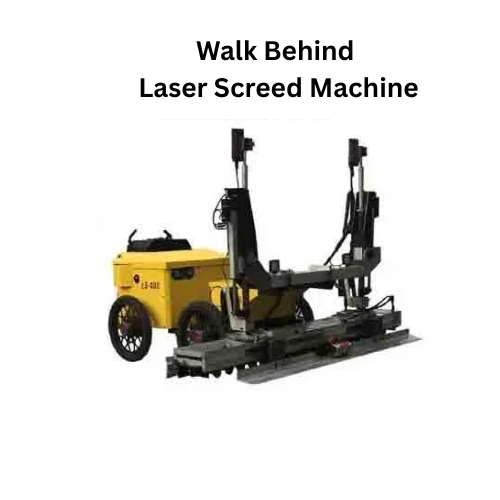
| Usage/Application | Walk Behind Laser Screed Machines |
| Rated Motor Power | 1200 Watt |
| Surface Recommendation | Granite, Marble |
| Drive Type | Gear Box Drive |
| Current Type | 220-240 V | 50 Hz |
| Motor Phase | Single Phase |
| Noise Level | Less than 70 dB |
| Weight | 741 kg |
| Country of Origin | Made in India |
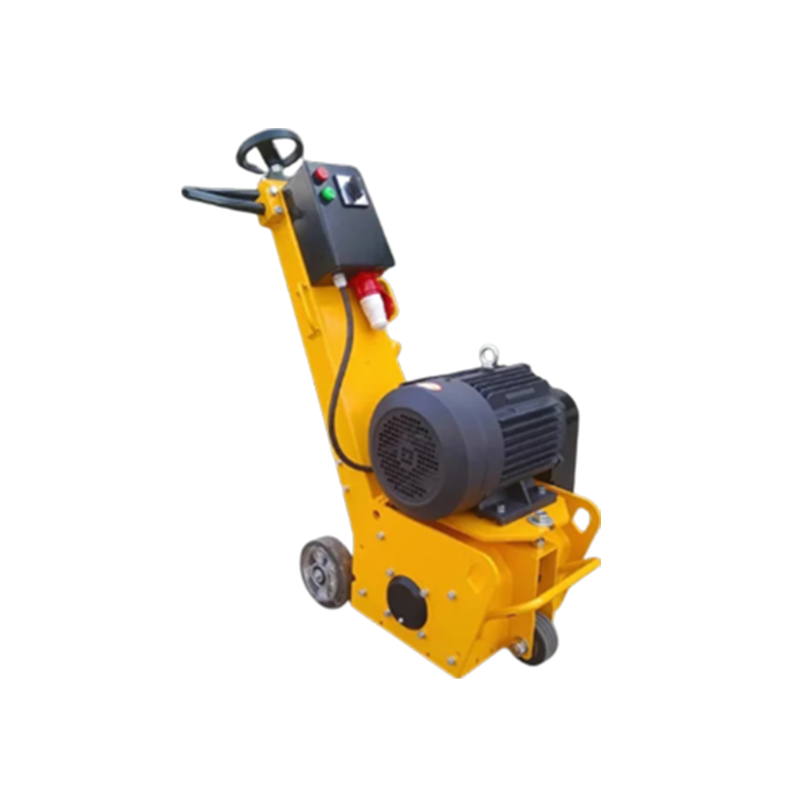
| Model | GT 250 |
| Weight (KG) | 160 |
| Dimension (MM) | 1050x500x100 |
| Working Width (MM) | 5~8 |
| Voltage | 451V, 50/60 Hz, 3 Phase |
| Cutter Quantity (PCS) | 108 |
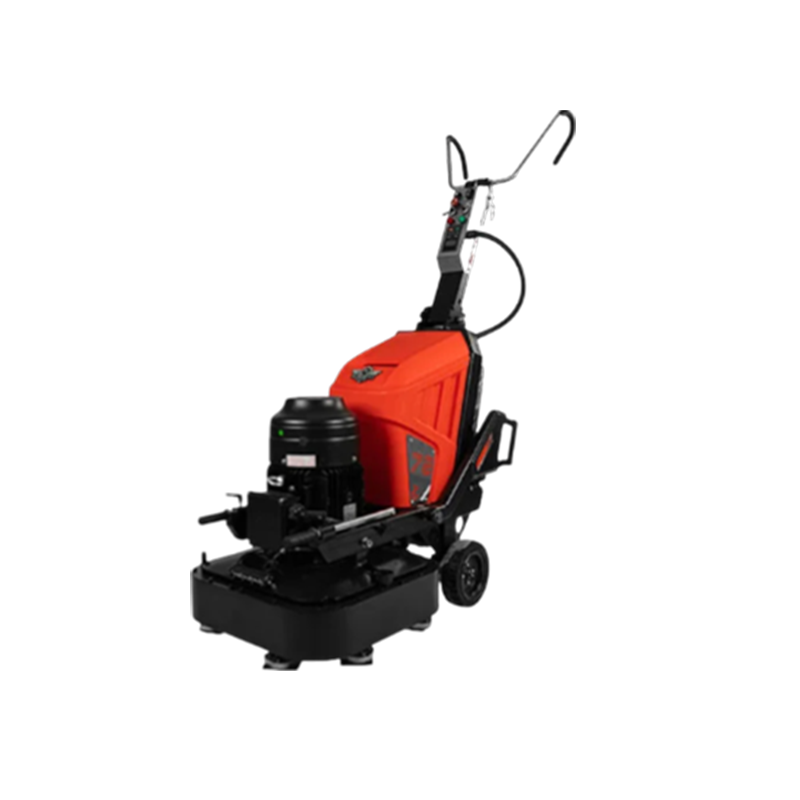
| Model | GT-630 |
| Weight (KG) | 300 |
| Voltage (V) | 380 |
| Working Width (MM) | 600 |
| Inverter (KW) | 7.5 |
| Motor Power (KW) | 7.5 |
| Mill Speed (RPM) | 0-1800 |
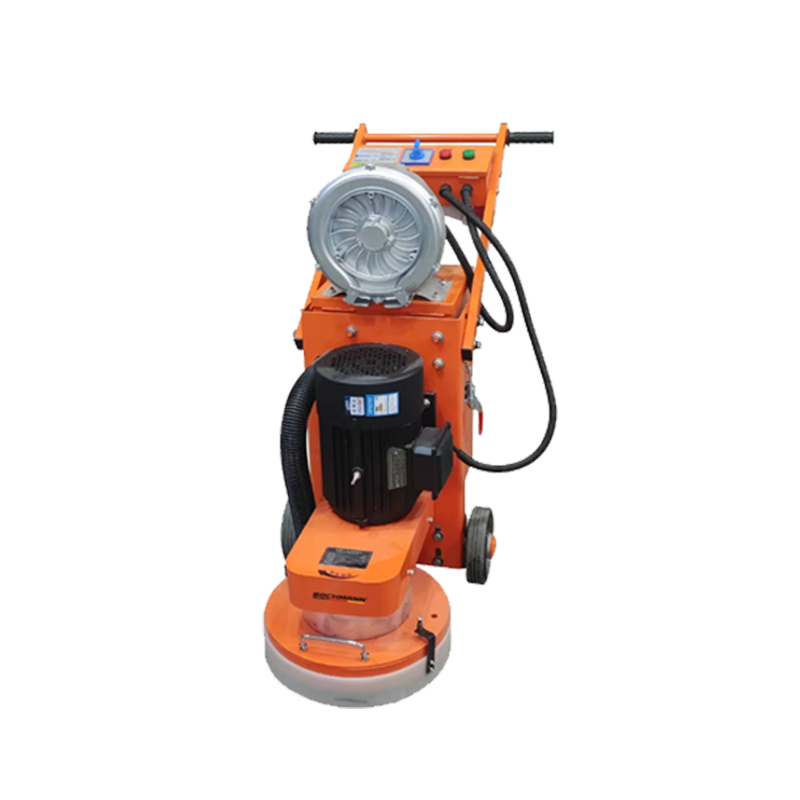
| Model | GT330 / GT400 |
| Motor Power | 4KW / 3KW |
| Inverter Speed | 1450 r/min / 900 r/min |
| Power Supply | 380V |
| Weight | 145 KG / 75 KG |
| Vacuum Motor Power | 750W / - |
| Dimension (L×W×H) | 1100x460x980 |
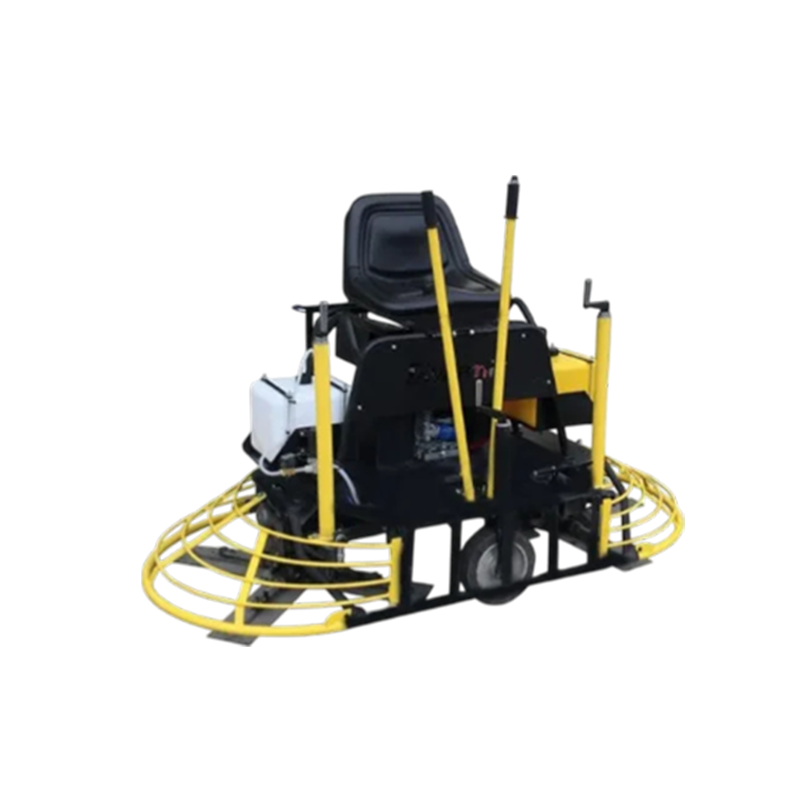
| Model | QUM-80 |
| Blade Quantity | 8 Pcs |
| Pan Quantity | 2 Pcs |
| Working Speed | 120-140 RPM |
| Working Diameter | 1900x915 mm |
| Engine | Honda GX690 24HP |
| Max Speed | 3600 RPM |
| Fuel Tank Capacity | 12 Ltr |
| Disc Diameter | 940 mm |
| Spare Parts | Combination Blade |
| Pan | Made of 3mm Thickness, Manganese Steel (2 Pcs) |
| Dimension (mm) | 1980x996x1320 |
| Weight (Kg) | 310 |
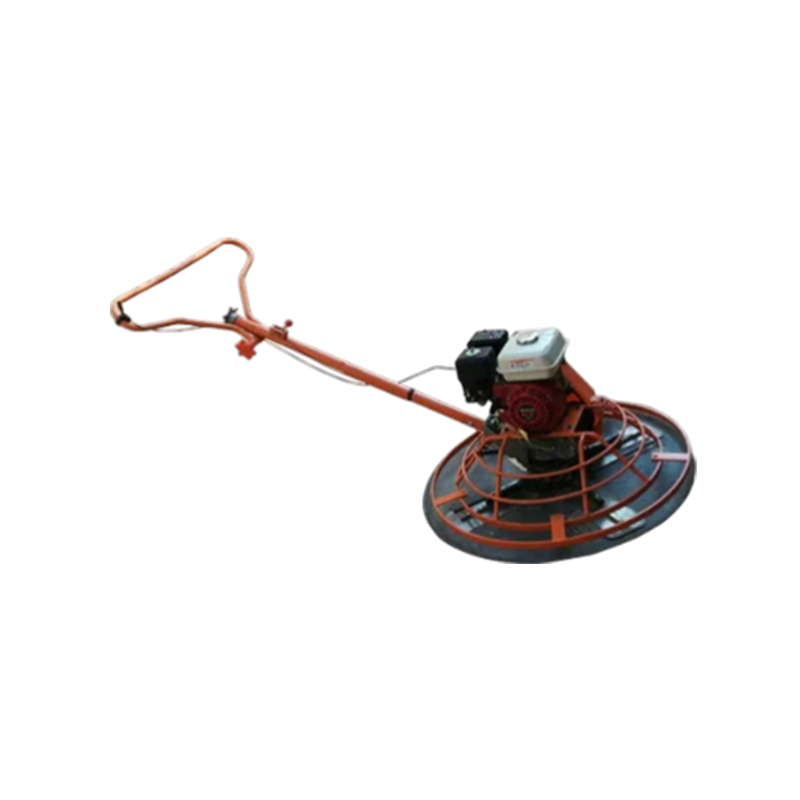
| Model | CWT 40 / CWT 40L / DMR 900 |
| Working Diameter (mm) | 900 / 915 |
| Engine Type | Honda GX 160 |
| Max. Output (HP) | 5.5 |
| Weight (Kg) | 100 / 120 |
| Dimension (mm) | 1280x945x980 |
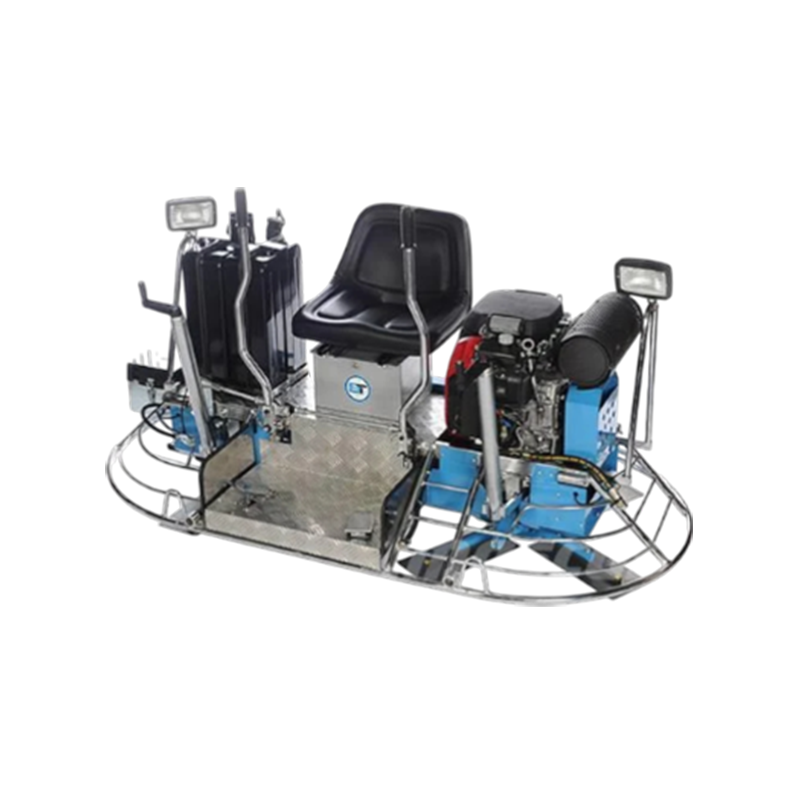
| Model | BT 900 - 2PF H24 |
| Type | BT Low Riders |
| Engine Type | Honda GX 690, 24HP |
| Blade Rotation Speed | 0-140 RPM |
| Float Pans | Yes |
| Blades | 8 Pcs |
| Dimensions (mm) | 1940x990x1040 |
| Weight Dry (kg) | 275 |
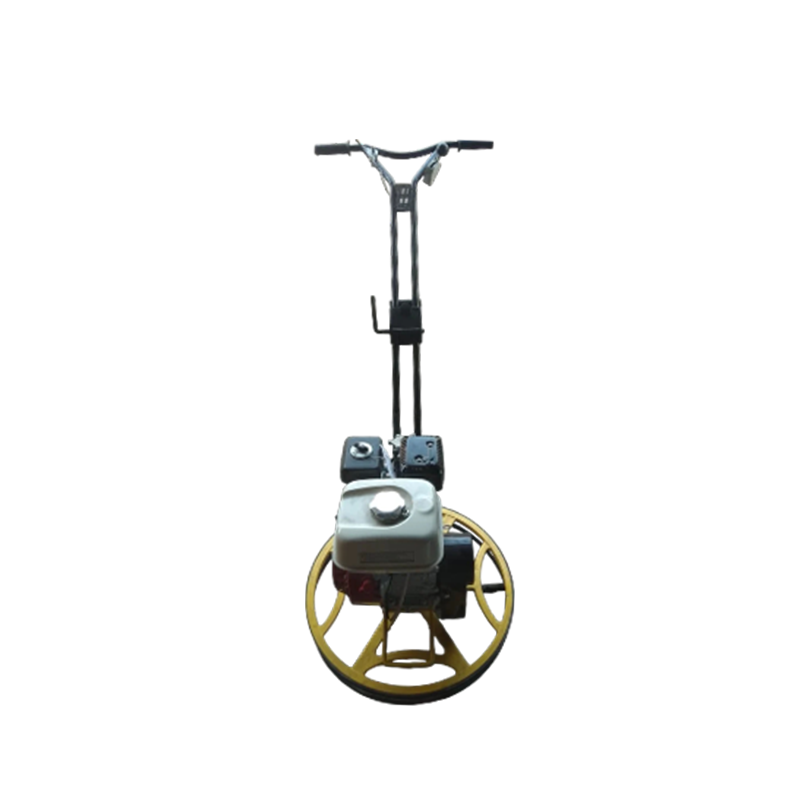
| Model | BT-60H |
| Working Diameter (mm) | 600 |
| Engine Type | Honda GX 160 |
| Max. Output (HP) | 5.5 |
| Weight (Kg) | 53 |
| Dimension (mm) | 1460x660x980 |
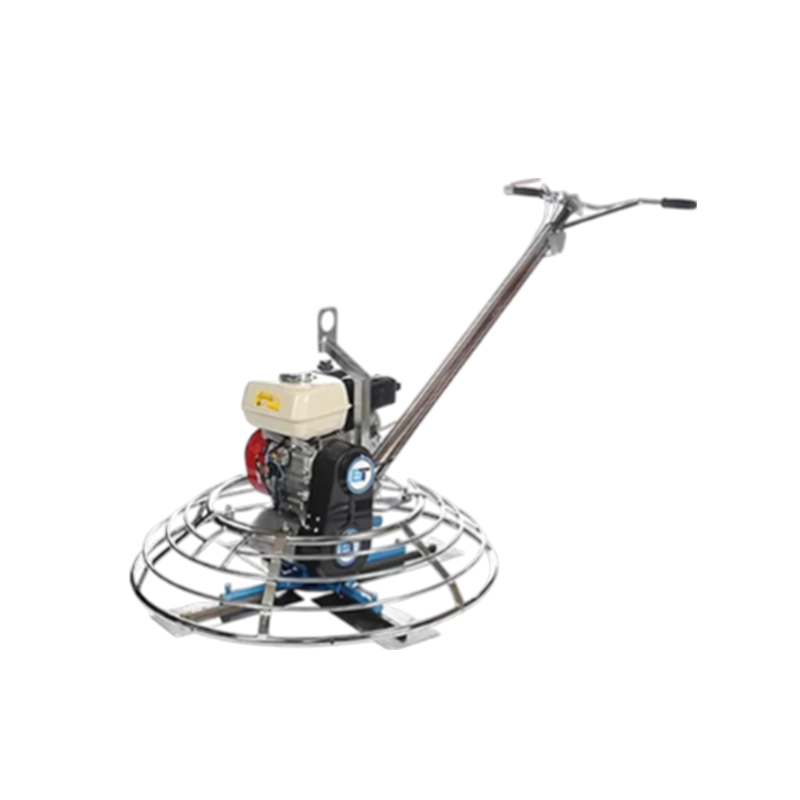
| Model | BT-90H |
| Working Diameter (mm) | 900 |
| Engine Type | Honda GX 160 |
| Max. Output (HP) | 5.5 |
| Weight (Kg) | 120 |
| Dimension (mm) | 1280 × 945 × 980 |
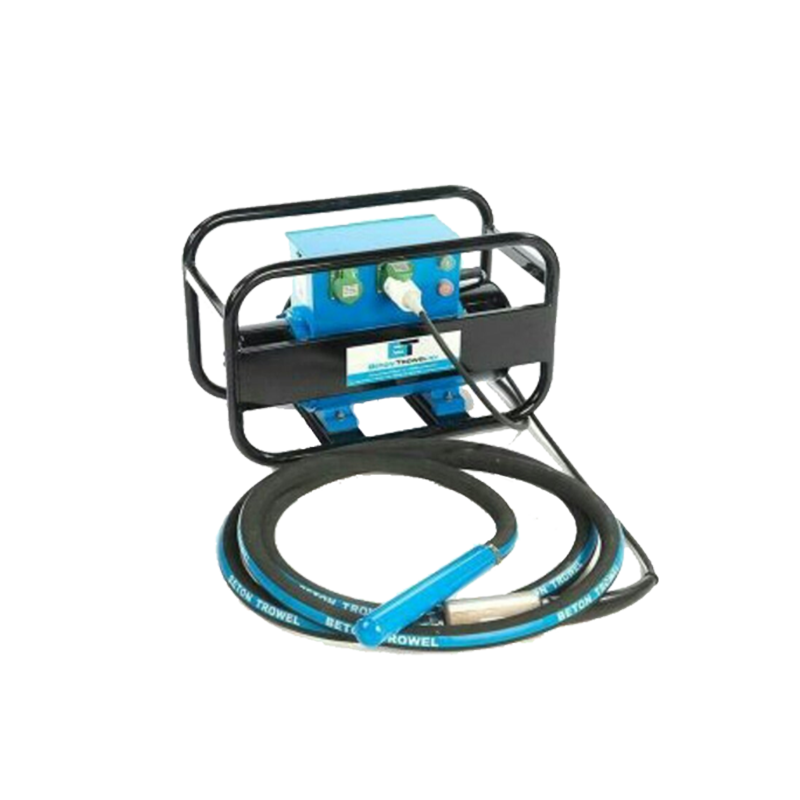
| Model | BTFC/45/4, BTFC200/18/2 |
| Capacity | 1.8KVA, 4.5KVA |
| Input (Phase/Hz/V/A) | 3Ph/ 50 / 380 / 2.8, 3Ph/ 50 / 380 / 8.3 |
| Output (Phase/Hz/V/A) | 3Ph/ 200 / 48 / 22, 3Ph/ 200 / 48 / 54 |
| Weight | 37 Kgs, 78 Kgs |
| Units Driving | 2 Needles, 4 Needles |
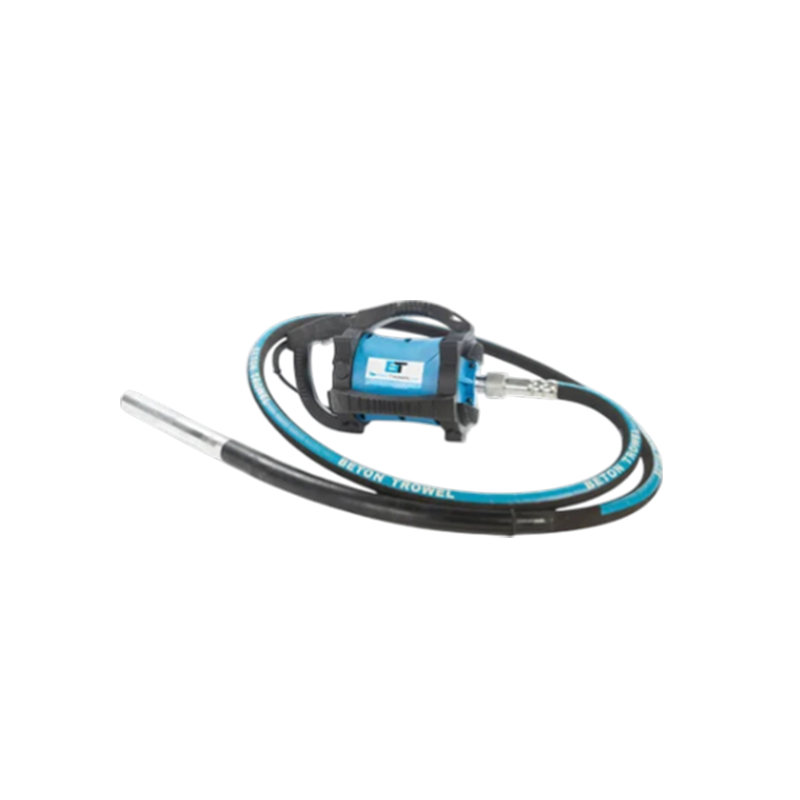
| Model | HVU110, HVU220 |
| Voltage | 115V, 230V |
| Power (Kw) | 2.3 |
| Motor Speed | 18000 |
| Weight | 5.5Kg |
| Model | HDV38/2, HDV38/4 |
| Dia | 38mm |
| Length | 2m, 4m |
| Weight | 6.26kg, 8.86kg |
| Frequency | 16200 |
| Amplitude | 1.54 |
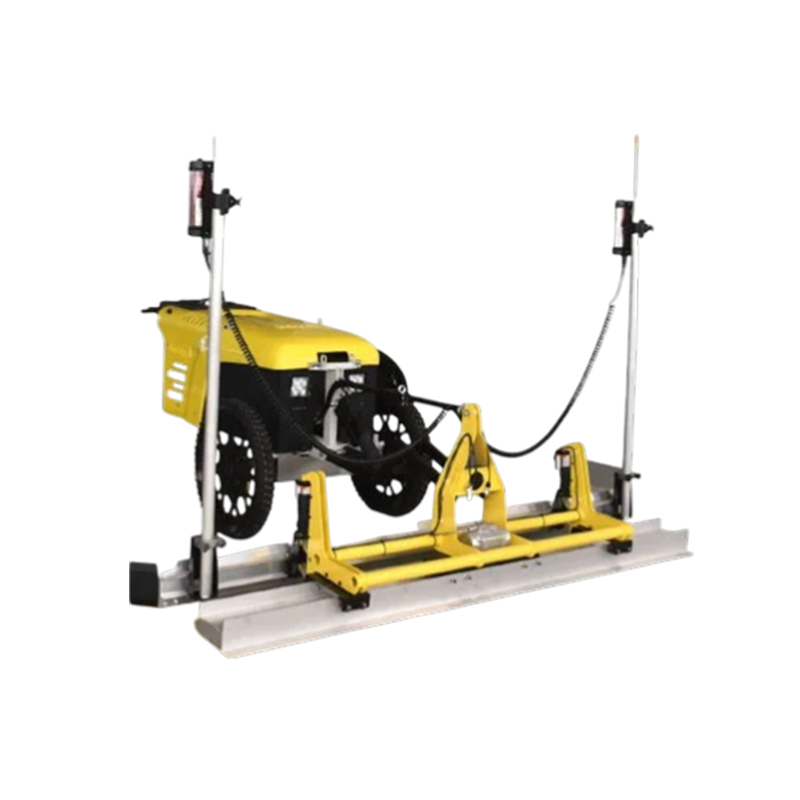
| Model | LS-325 |
| Generator | Honda EC2500 x (2.6Kw, Single Cylinder Four Stroke Generator Set) |
| Package | Box 1:2700*1050*1350mm Box2:2900*750*320 |
| Laser Generator | LEICA (Switzerland) (635nm visible laser, self-leveling, level error<+1.5mm/30m, effective lanuch distance 300m) |
| Laser Receiver | LEICA (Switzerland) (effective receiving distance 300m, accuracy of dead zone<+2.5mm) |
| Control System | Ac Servo System |
| Driving System | Phase (Italian) (steeples adujustment, turning faster than 1:2:5) |
| Airframe Adjustment | Level Sensor automatic adjusting system |
| Slope Working | Single Phase Slope Automatic Adjustment |
| Wheel Tyre | 733nm ATV (1.8-2.2BAR)/3.0-21 narrow tyre (1.6-2. 1 BAR) |
| Virating System | Eccentric Vibration Moror, 300Hz |
| Centrifugal Force | 100 Kgs |
| Vibrating System | Aluminium Alloy |
| Scraper Blade | Aluminium Alloy |
| Scraper Adjustment | Computer Control, Automatic Adjustment |
| Working Length | 2.6M |
| Reverse Speed | 2.5Km/H |
| Min. Ground Clearance | 355mm |
| Ground Flatness | <+7mm/100m |
| Max Working Radius | <200mm |
| Working | 200m2/h--350m2/h |
| Dimension (L*W*H) | 2748*2900*2044 |
| Weight | 230Kgs |
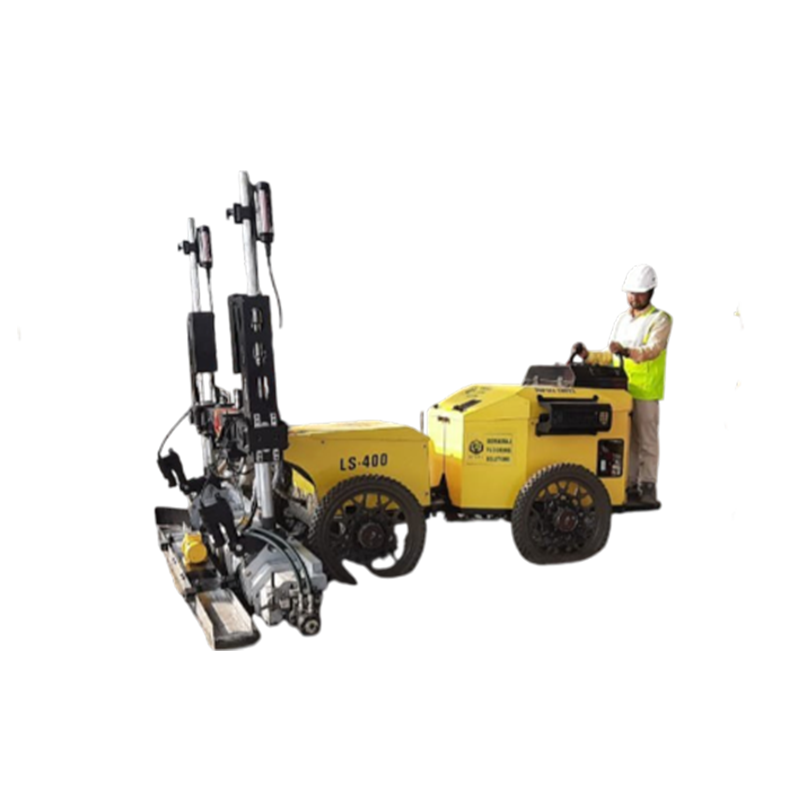
| Model | LS-400 |
| Engine Model | Kholer Ch620 |
| Engine Type | Petrol, V-cylinder engine, air cooling |
| Engine Power (Kw) | 14.2 |
| Lubrication Oil (L) | 2 |
| Fuel Tank Capacity (L) | 35 |
| Type of Leveling | Independent suspension, center rotation |
| Paving Width (mm) | 2500 |
| Paving Way | scraper blade paving |
| Paving Thickness (mm) | 30-200 |
| Boom Motor | High torque hydraulic motor |
| Vibrating System Control | Vibrating Motor |
| Exciting force (kg) | 100 |
| Vibrational Frequency (hz) | 50 |
| Laser System Control Type | Laser Scanning + High Sensitivity DC Push road |
| Laser System Control Effect | Flat surface, slope Floor |
| Driving System | Hydraulic driving tyre |
| Wheel | Heavy-duty tyre |
| Walking Speed (km/h) | 0-2.5 |
| Forword/backward | Switch Control, Stepless speed |
| Turing | Switch Control |
| Dimension (mm) | 3155x3175x1910 |
| Weight | 741 |
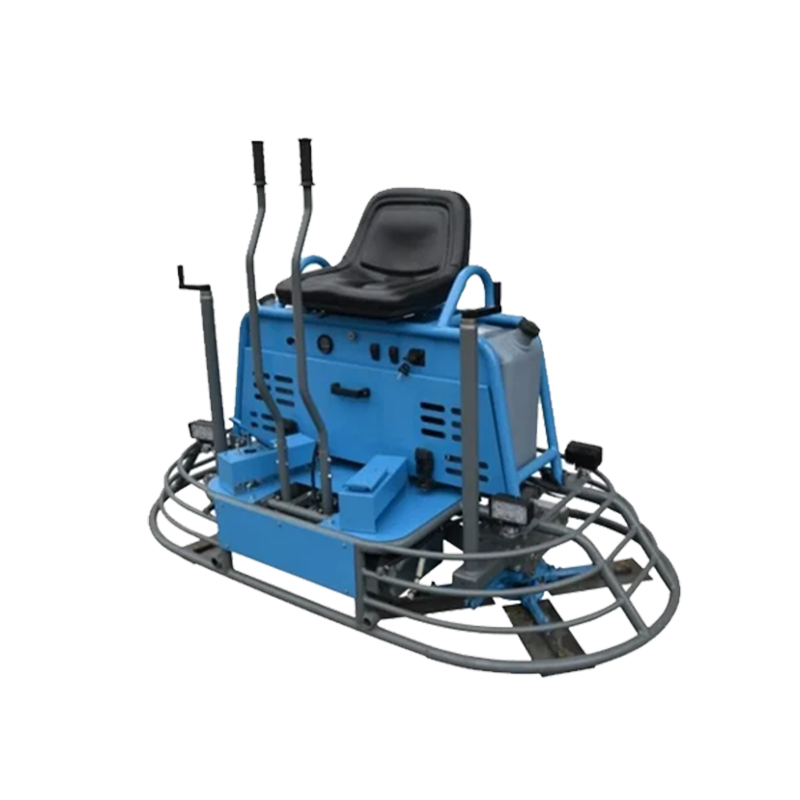
| Model Name | Concrete Paver XP-900 |
| Paving Width | 3.5 to 9 Meters |
| Engine Power | 110 HP Diesel Engine |
| Paving Speed | 0–5 M/min |
| Working Efficiency | 400 m²/hour |
| Vibration System | High-Frequency Vibration Motor |
| Leveling Accuracy | ±2 mm |
| Control Panel | Digital Smart Control System |
| Fuel Tank Capacity | 80 Litres |
| Weight | 2600 Kg |
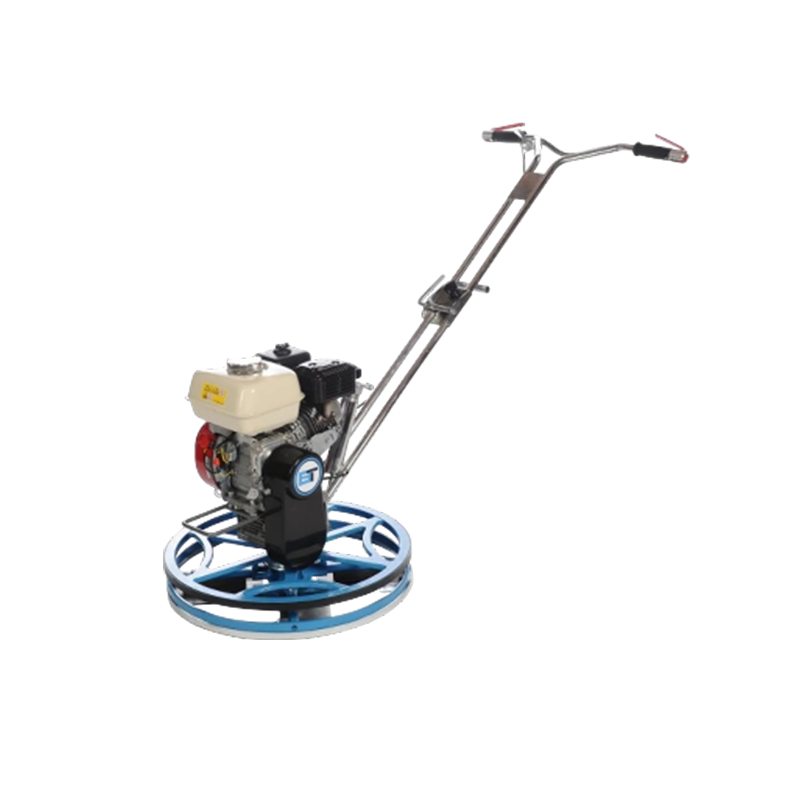
| Model Name | BT Edger Trowel |
| Trowel Diameter | 24 Inches |
| Engine Type | Honda GX160 / Equivalent |
| Power | 5.5 HP |
| Trowel Speed | 60–125 RPM |
| Blade Size | 9 x 4 inches |
| Weight | 70 Kg (Approx.) |
| Operating Handle | Foldable with Adjustable Height |
| Application | Edge Finishing of Concrete Floors |
| Country of Origin | India |
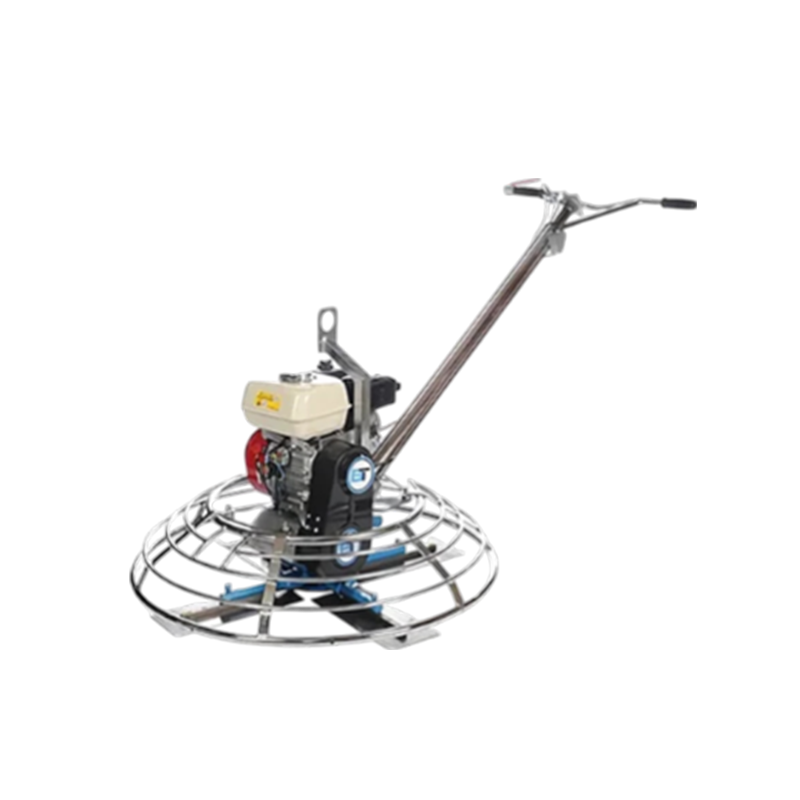
| Model | BT Floater 100 |
| Engine Type | Petrol Honda GX160 |
| Power | 5.5 HP |
| Working Width | 1000 mm |
| Blade Size | 350 mm x 150 mm |
| Blade Quantity | 4 |
| Fuel Tank Capacity | 3.6 L |
| Weight | 90 Kg |
| Speed | 70–130 RPM |
| Application | Surface Finishing & Smoothing |
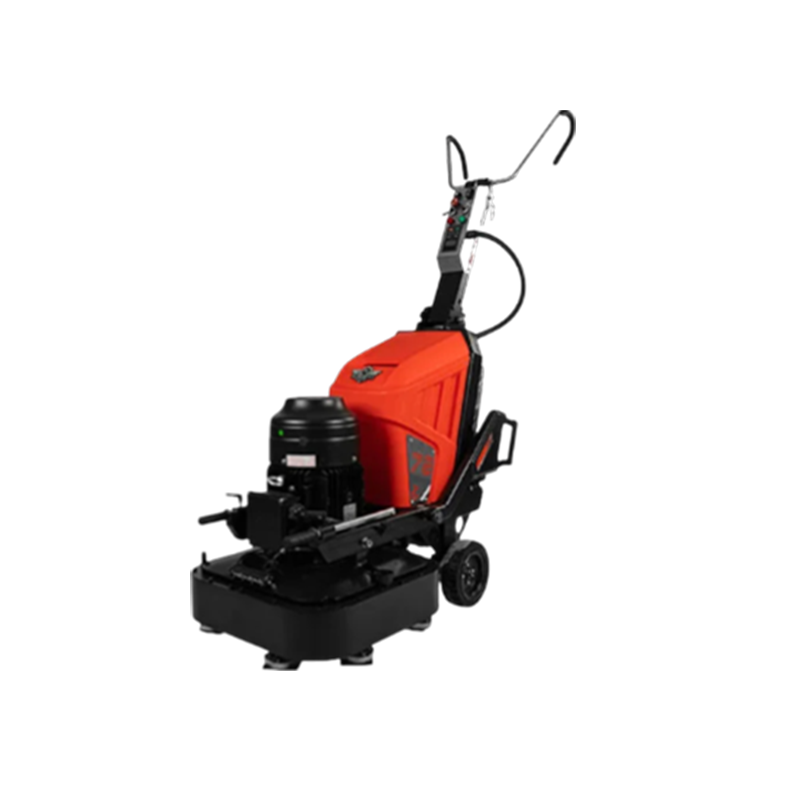
| Model | GX65 Grinding Machine |
| Grinding Wheel Size | 300 mm |
| Power Supply | 3 Phase, 415V |
| Motor Capacity | 5 HP |
| Table Size | 600 x 300 mm |
| Surface Finish | ≤ 2 Micron |
| Max Workload | 200 kg |
| Cooling System | Integrated |
| Material Suitability | Steel, Cast Iron, Alloys |
| Brand | Topall Impex |
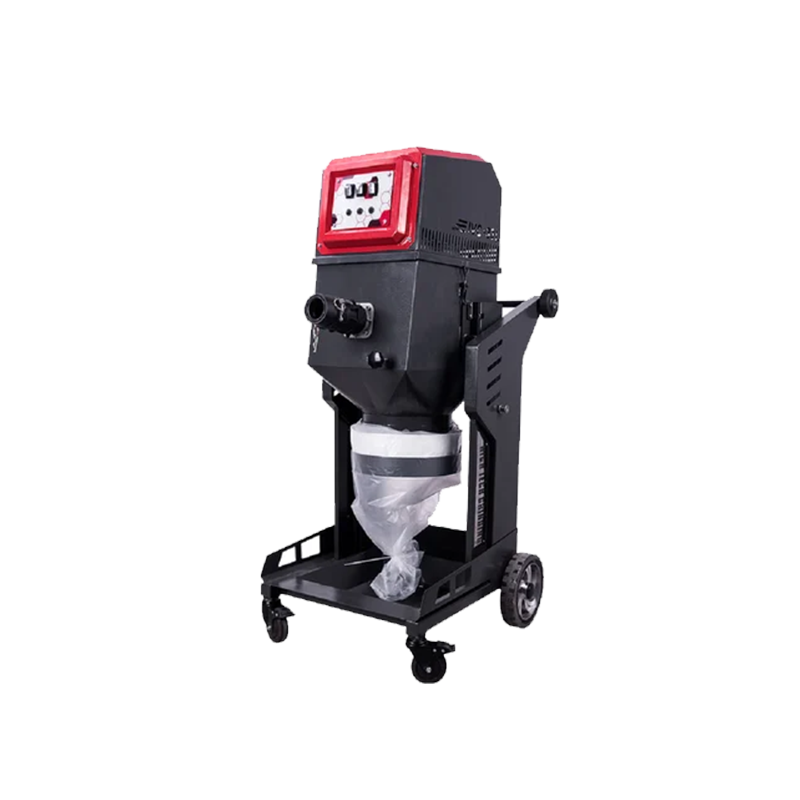
| Model | IVC-F33L |
| Type | Industrial Vacuum Cleaner |
| Power | 3300 Watts |
| Voltage | 220V / 50Hz |
| Tank Capacity | 60 Liters |
| Material | Stainless Steel |
| Filter Type | HEPA + Cloth Filter |
| Noise Level | ≤ 78 dB |
| Mobility | 4-Wheel Portable |
| Brand | Topall Impex |
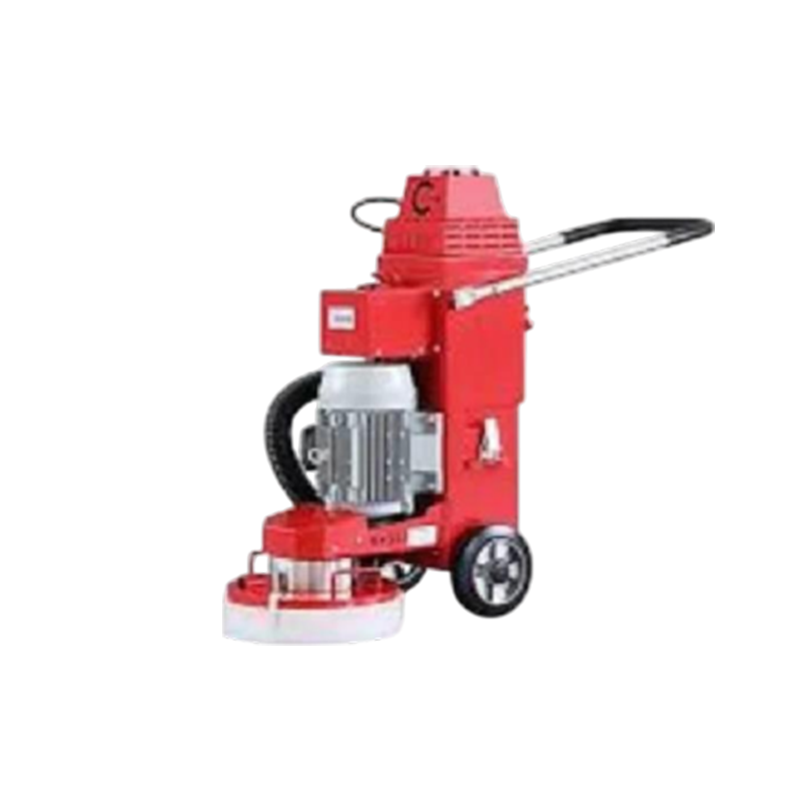
| Model | Sino S300 |
| Type | Surface Grinding Machine |
| Grinding Area | 600 x 300 mm |
| Motor Power | 5 HP |
| Table Load Capacity | 250 kg |
| Voltage | 415V AC |
| Wheel Speed | 2800 RPM |
| Cooling System | Integrated Coolant Tank |
| Operation | Semi-Automatic |
| Brand | Topall Impex |
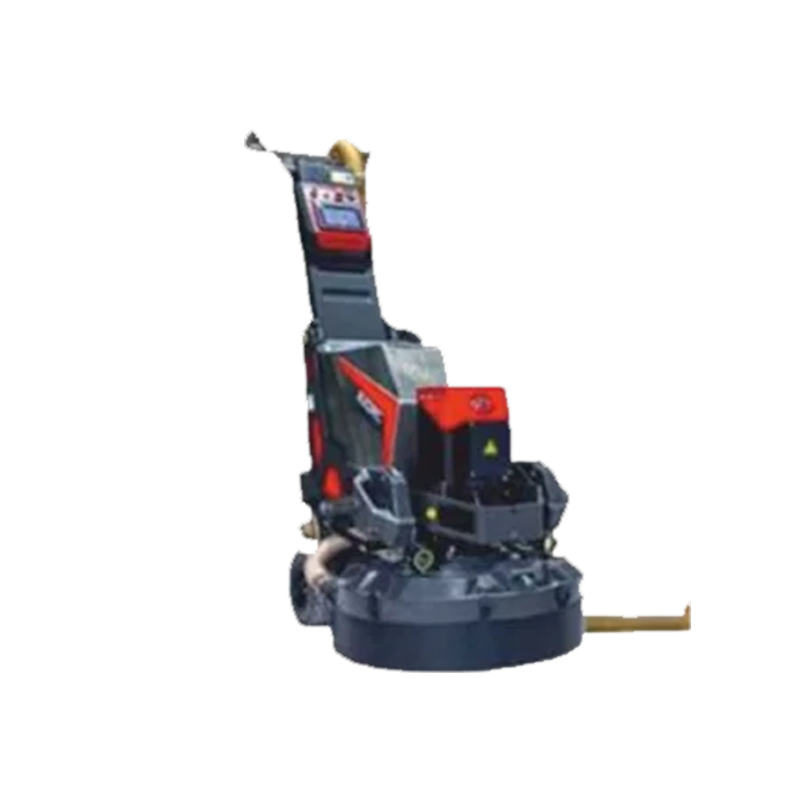
| Model | HTG-820C |
| Type | Autopilot Planetary Grinder |
| Working Width | 820 mm |
| Grinding Disc | 3 x 300 mm |
| Voltage | 380V / 3 Phase |
| Motor Power | 15 KW |
| Rotation Speed | 350–1950 rpm |
| Weight | 585 kg |
| Water Tank Capacity | 20 Liters |
| Application | Concrete, Stone, Epoxy Floors |
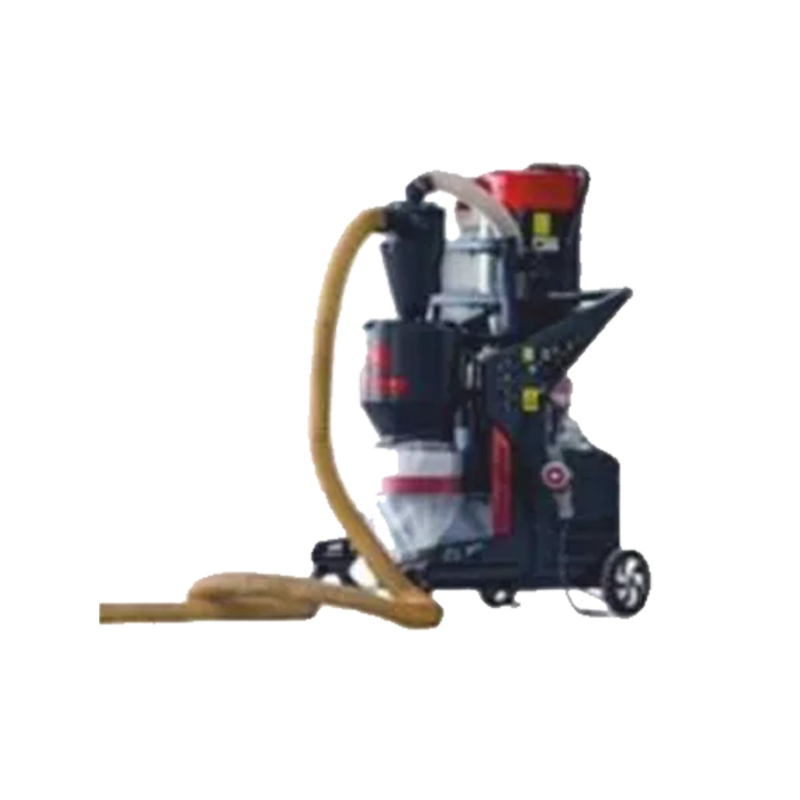
| Model Name | IVC-45L |
| Working Width | 820 mm |
| Grinding Disc | 4 Discs / 12 Heads |
| Motor Power | 15 HP (11 kW) |
| Voltage | 380V-440V 3 Phase |
| Speed Range | 300–1800 RPM |
| Water Tank Capacity | 20 Litres |
| Net Weight | 580 kg |
| Transmission | Gear Drive + Belt Drive |
| Application | Concrete Floor Grinding & Polishing |
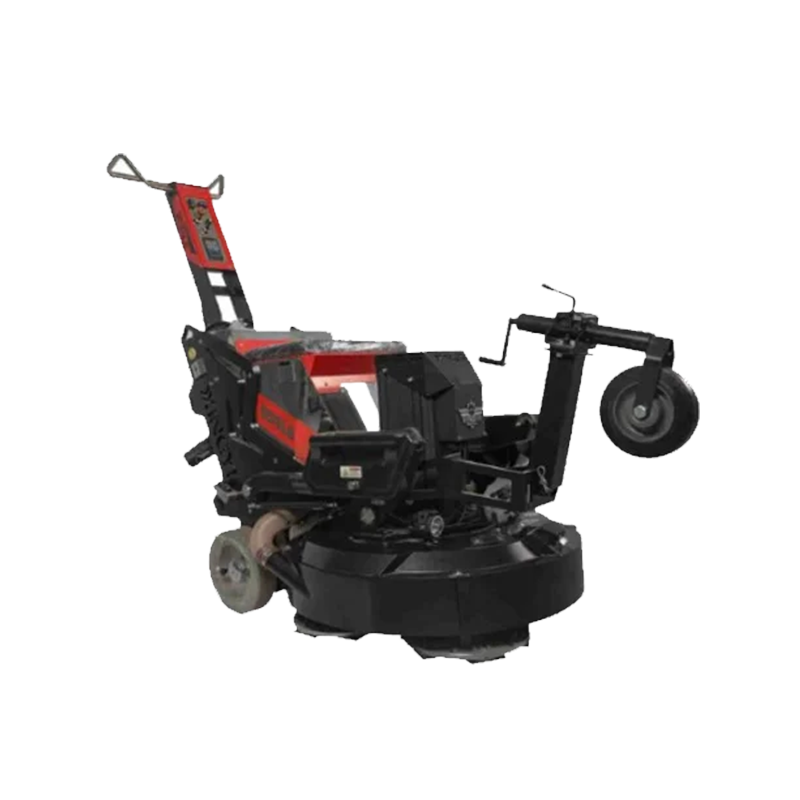
| Model | 995 LE |
| Grinding Width | 800 mm |
| Power Output | 15 HP |
| Voltage | 380V, 3-Phase |
| Grinding Disc Speed | 300–1800 RPM |
| Weight | 600 Kg |
| Grinding Pressure | Adjustable |
| Dust Collection Port | Yes |
| Operation Mode | Manual & Auto |
| Application Area | Concrete, Stone, Epoxy Removal |
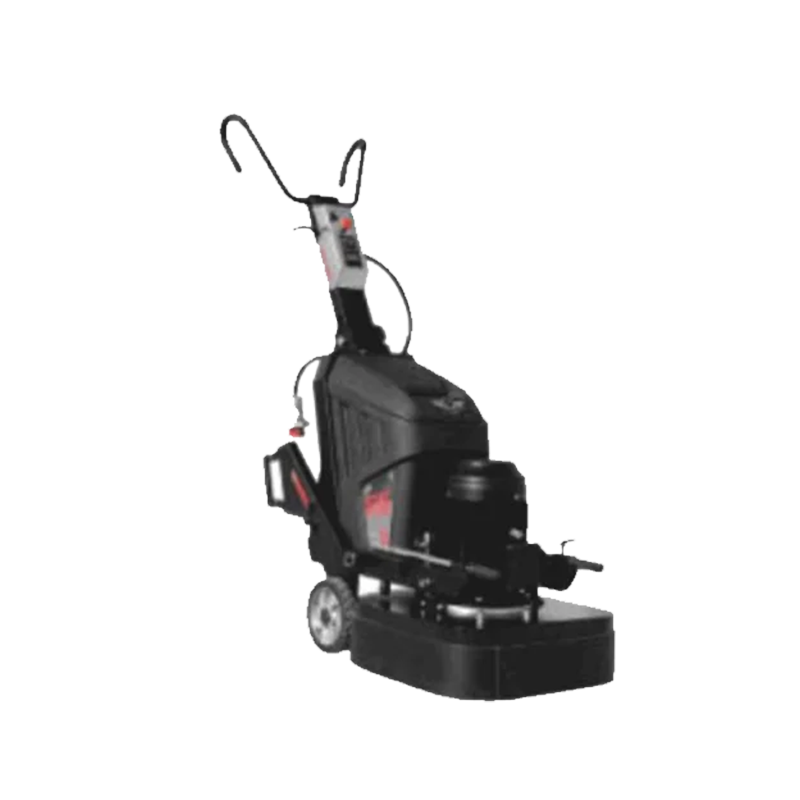
| Model | GX688-4A |
| Power Output | 15 HP |
| Voltage | 380V |
| Working Width | 680 mm |
| Grinding Heads | 4 |
| Speed | 300–1800 RPM |
| Water Tank Capacity | 30 Liters |
| Machine Weight | 410 Kg |
| Dust Extraction Port | Yes |
| Application Area | Industrial/Commercial Floors |
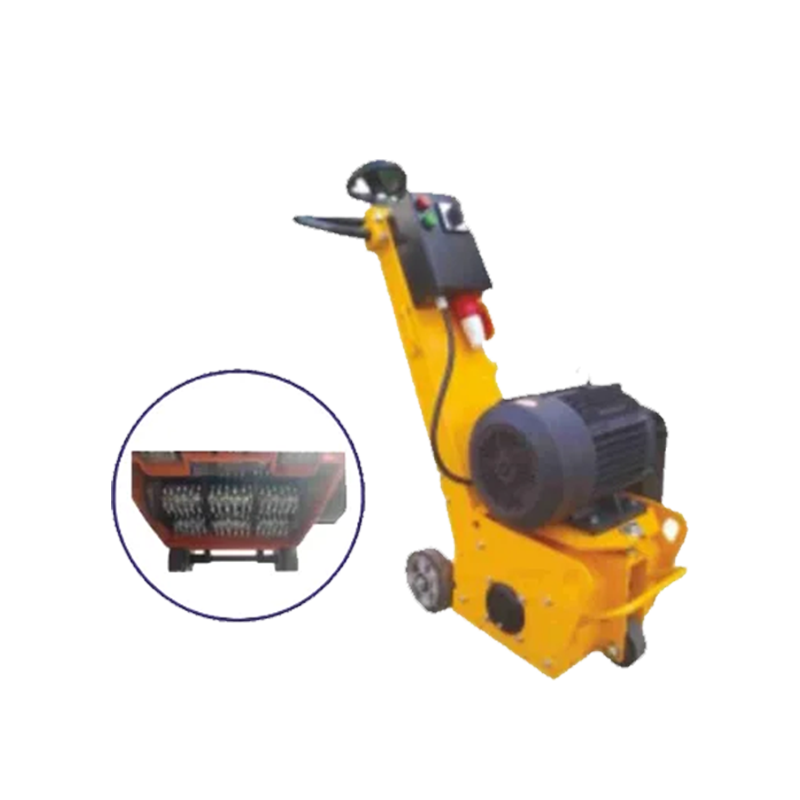
| Model | GT250 |
| Motor Power | 3 HP |
| Voltage | 220V / 50Hz |
| Grinding Width | 250 mm |
| Disc Speed | 1400 RPM |
| Weight | 65 kg |
| Dust Port | Yes |
| Application Area | Concrete, Marble, Epoxy |
| Frame Material | Heavy-duty Steel |
| Operation | Manual Push Type |
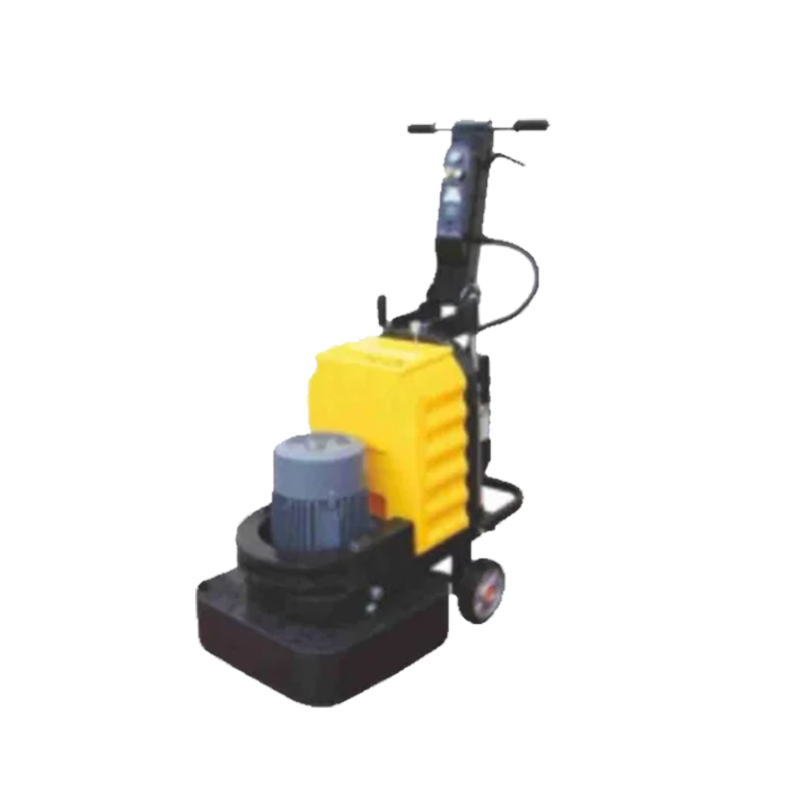
| Model | GT630 |
| Grinding Width | 630 mm |
| Motor Power | 10 HP |
| Voltage | 380V / 3 Phase |
| Speed Range | 300–1800 RPM |
| Working Pressure | Adjustable |
| Tool Holder | 3 Planetary Plates |
| Weight | 340 kg |
| Application | Floor Grinding & Polishing |
| Dust Port | Yes (vacuum compatible) |
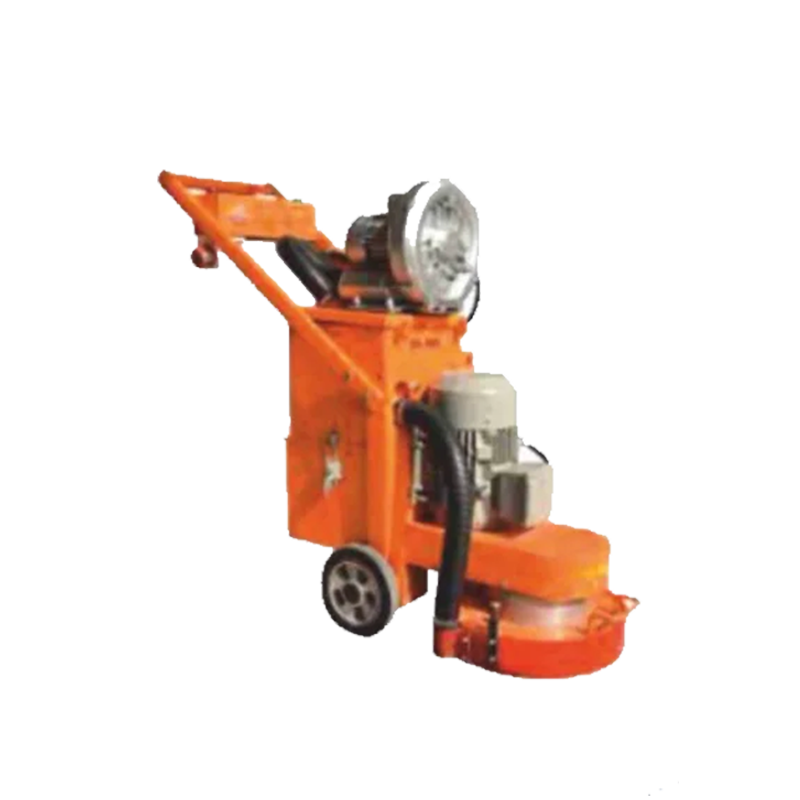
| Model | GT330 |
| Motor Power | 4 kW / 5.5 HP |
| Voltage | 380V / 3 Phase |
| Grinding Width | 330 mm |
| Disc Speed | 300–1200 RPM |
| Number of Discs | 3 |
| Weight | 150 kg |
| Water Tank Capacity | 30 L |
| Application | Floor Grinding & Polishing |
| Usage | Industrial / Commercial |
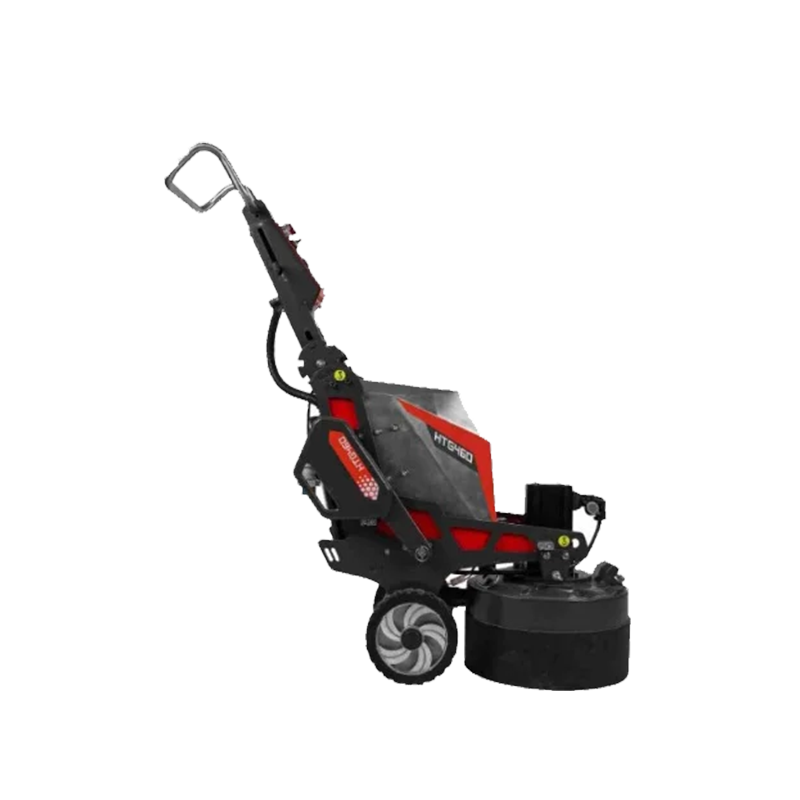
| Model | HTG-460 |
| Grinding Width | 460 mm |
| Motor Power | 4 kW |
| Voltage | 220V / 380V |
| Phase | Single / Three Phase |
| Rotation Speed | 300–1600 RPM |
| Tool Holder Type | Magnetic Plate |
| Water Tank Capacity | 20 Liters |
| Machine Weight | 150 kg |
| Application | Concrete, Terrazzo, Epoxy Floor |
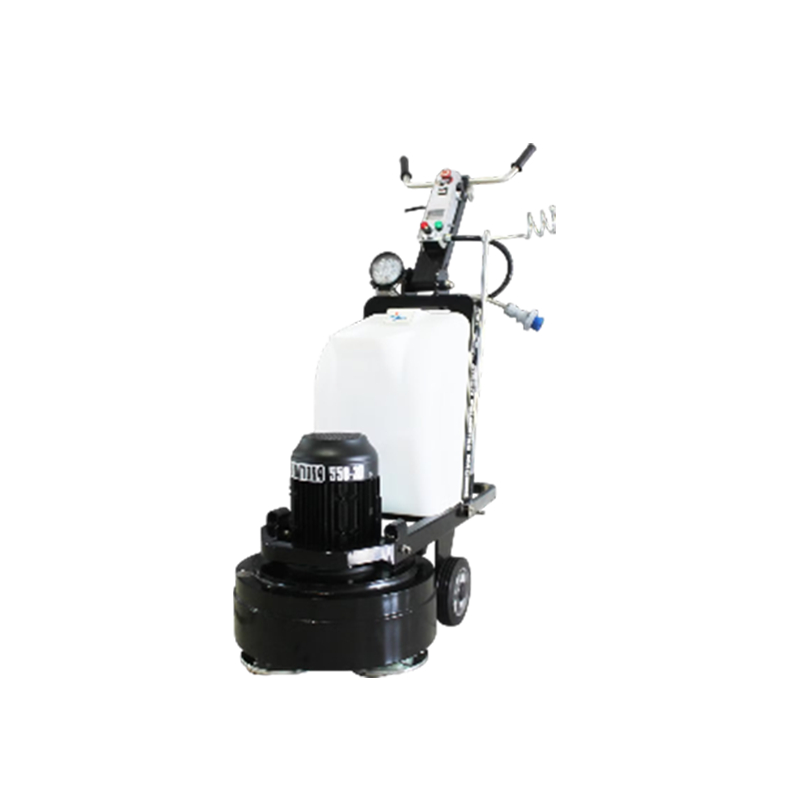
| Model | 580-2 Grinding Machine |
| Power | 7.5 HP |
| Voltage | 380V |
| Working Width | 580 mm |
| Grinding Heads | Dual |
| Weight | 180 Kg |
| Rotation Speed | 300–1800 rpm |
| Water Tank | 30 Liters |
| Application Area | Concrete, Epoxy Removal |
| Usage Type | Industrial / Commercial Floors |
Top Concrete Cutting Machine Manufacturer and Supplier in Banswara Since 2008 — Topall Impex
A concrete cutting machine is a powerful industrial tool used to cut, slice, and shape concrete, asphalt, stone, and other hard construction materials with precision and efficiency. It uses high-speed diamond-tipped blades or abrasive discs to deliver clean, accurate cuts without damaging surrounding structures. These machines are widely used across construction, road building, demolition, renovation, and infrastructure projects. They save time, reduce labor costs, and deliver professional-grade results that manual methods simply cannot match. Available in multiple types — including floor saws, wall saws, core drilling machines, and hand-held cutters — concrete cutting machines are built to handle both light-duty and heavy-duty cutting tasks with equal effectiveness. At Topall Impex, we manufacture and supply high-quality concrete cutting machines in Banswara and across India since 2008. We offer factory-direct pricing, genuine spare parts, and reliable after-sales support — making us the most trusted choice for contractors and builders nationwide.
What Is a Concrete Cutting Machine?
A concrete cutting machine is a powerful industrial tool designed to cut, slice, or saw through concrete, asphalt, brick, stone, and other hard construction materials with precision and speed. It uses high-speed rotating blades — typically diamond-tipped — or abrasive wheels to make clean, accurate cuts without cracking or damaging surrounding structures. These machines are used across a wide range of construction, demolition, and renovation projects where manual cutting methods simply cannot deliver the accuracy, depth, or efficiency required.
In simple terms — if construction work involves breaking through hard surfaces cleanly, a concrete cutting machine is the tool for the job.
Where Are Concrete Cutting Machines Used?
Concrete cutting machines are not limited to one type of job site. Their versatility makes them a standard piece of equipment across multiple industries and applications.
Construction Sites — Cutting slabs, beams, columns, and foundations during new construction or structural modifications.
Road and Highway Projects — Cutting expansion joints in roads, removing damaged sections of pavement, and creating drainage channels.
Demolition Projects — Controlled demolition of walls, floors, and ceilings without disturbing adjacent structures.
Plumbing and Electrical Work — Creating precise openings in floors and walls for pipes, conduits, and cable ducts.
Renovation and Remodeling — Modifying existing structures by cutting new doors, windows, or access openings.
Bridges and Tunnels — Precision cutting in infrastructure maintenance and repair work.
Industrial Flooring — Cutting control joints and repair sections in factory and warehouse floors.
Airport and Port Infrastructure — Heavy-duty cutting in large-scale civil engineering projects.
Benefits of Using a Concrete Cutting Machine
Using a professional-grade concrete cutting machine delivers advantages that manual tools simply cannot match.
Precision and Accuracy — Diamond blades and guided cutting systems allow contractors to cut exactly where needed, reducing waste and rework.
Faster Project Completion — Motorized machines complete cutting tasks in a fraction of the time it would take manual methods, keeping your project timeline on track.
Clean Cuts with Minimal Dust — Modern concrete cutting machines often feature wet cutting systems that suppress dust and deliver smoother, cleaner edges.
Reduced Labor Cost — One operator can handle cutting tasks that would otherwise require multiple workers, directly lowering your labor expenses.
Less Structural Damage — Precision cutting reduces vibration and stress on surrounding structures, protecting the integrity of the overall building.
Versatility — The same machine can often be fitted with different blades to handle various materials — concrete, asphalt, marble, granite, and more.
Better Safety — Controlled cutting with proper equipment is significantly safer than improvised cutting methods on job sites.
Why Is A Concrete Cutting Machine Important in Construction?
Modern construction demands precision. Structures today are more complex, timelines are tighter, and quality standards are higher than ever before. In this environment, a concrete cutting machine is not a luxury — it is a necessity.
Here is why these machines have become indispensable on construction sites:
Structural Integrity — Improper cutting can weaken a structure. Professional cutting machines deliver the precision needed to make modifications without compromising structural strength.
Compliance with Standards — Civil engineering and construction standards require clean, dimensionally accurate cuts — especially in roads, bridges, and public infrastructure. Machines ensure compliance.
Cost Control — Precise cuts mean less material waste, fewer corrections, and lower overall project costs.
Scalability — Whether you are working on a small renovation or a large infrastructure project, the right concrete cutting machine scales to the task.
Time Efficiency — Projects delivered on time mean fewer penalties and stronger client relationships. Fast, reliable cutting machines play a direct role in meeting project deadlines.
Simply put, investing in the right concrete cutting machine directly impacts the quality, safety, and profitability of your construction projects.
How Does a Concrete Cutting Machine Work?
Understanding how these machines operate helps you use them more effectively and safely.
Most concrete cutting machines work on a straightforward mechanical principle — a high-speed motor drives a rotating cutting blade or disc that gradually grinds through the concrete surface. Here is the step-by-step process:
Step 1 — Power Source Activation - The machine is powered either by an electric motor, petrol/diesel engine, or hydraulic system, depending on the machine type and job site requirements.
Step 2 — Blade Rotation - The motor drives the cutting blade — usually a diamond-segment blade — at high RPM. Diamond segments on the blade's edge are what actually cut through the hard material.
Step 3 — Guided Cutting - The operator guides the machine along the marked cutting line. Most floor saws and wall saws feature guide systems for straight, accurate cuts.
Step 4 — Cooling System Engagement - During cutting, significant heat is generated. Wet cutting machines pump water onto the blade continuously to cool it, extend blade life, and suppress concrete dust.
Step 5 — Depth Control - The blade depth is adjusted based on the required cut depth — whether it is a surface joint or a full slab cut-through.
Step 6 — Debris Management - Cut concrete slurry and debris are cleared from the cutting path, either by water flow in wet systems or by dust collection in dry systems.
The result is a clean, precise, dimensionally accurate cut through one of the hardest construction materials in existence..
How Does a Concrete Cutting Machine Work?
Understanding how these machines operate helps you use them more effectively and safely.
Most concrete cutting machines work on a straightforward mechanical principle — a high-speed motor drives a rotating cutting blade or disc that gradually grinds through the concrete surface. Here is the step-by-step process:
Step 1 — Power Source Activation - The machine is powered either by an electric motor, petrol/diesel engine, or hydraulic system, depending on the machine type and job site requirements.
Step 2 — Blade Rotation - The motor drives the cutting blade — usually a diamond-segment blade — at high RPM. Diamond segments on the blade's edge are what actually cut through the hard material.
Step 3 — Guided Cutting - The operator guides the machine along the marked cutting line. Most floor saws and wall saws feature guide systems for straight, accurate cuts.
Step 4 — Cooling System Engagement - During cutting, significant heat is generated. Wet cutting machines pump water onto the blade continuously to cool it, extend blade life, and suppress concrete dust.
Step 5 — Depth Control - The blade depth is adjusted based on the required cut depth — whether it is a surface joint or a full slab cut-through.
Step 6 — Debris Management - Cut concrete slurry and debris are cleared from the cutting path, either by water flow in wet systems or by dust collection in dry systems.
The result is a clean, precise, dimensionally accurate cut through one of the hardest construction materials in existence.
Types of Concrete Cutting Machines
Different projects require different cutting approaches. Here are the main types of concrete cutting machines available, each designed for specific applications:
1. Floor Saw (Road Saw / Slab Saw) - The most commonly used type on construction sites. It is a walk-behind machine with a large diamond blade mounted underneath. Ideal for cutting horizontal surfaces like floors, slabs, roads, and pavements. Available in petrol, diesel, and electric variants.
2. Wall Saw (Track Saw) - Mounted on a rail or track system fixed to a wall or ceiling, this machine makes precise vertical and overhead cuts. Used for creating door openings, window openings, and HVAC penetrations in concrete walls and ceilings.
3. Wire Saw - Uses a diamond-encrusted wire loop instead of a blade. It wraps around large concrete sections and cuts by continuous loop motion. Ideal for cutting massive structures like bridges, dams, and thick foundations where blade saws cannot reach.
4. Core Drilling Machine - Technically a drilling machine, but works on the same concrete cutting principle. Creates precise cylindrical holes in concrete for plumbing, electrical conduits, anchors, and HVAC systems.
5. Hand-Held Concrete Cutter (Angle Grinder / Circular Saw) - A portable, handheld tool for smaller, more detailed cutting tasks. Used for cutting bricks, tiles, smaller concrete sections, and tight spaces where larger machines cannot operate.
6. Ring Saw - Similar to a hand-held saw but features a ring-shaped blade that allows deeper cuts relative to the blade diameter. Useful in confined spaces.
7. Chain Saw (Concrete Chain Saw) - Uses a diamond chain similar to a wood chainsaw. Ideal for precise rectangular cuts, such as cutting window openings or making plunge cuts in walls and floors.
Applications of Concrete Cutting Machines
The application range of concrete cutting machines spans across the entire construction and civil engineering industry:
- Expansion - Joint Cutting in roads, bridges, and airport runways to prevent cracking
- Core Drilling - for utility and mechanical system installation
- Structural Modification — adding doors, windows, and openings to existing buildings
- Demolition — controlled removal of slabs, walls, and columns
- Trenching — cutting trenches for underground pipes and cables
- Repair Work — removing damaged concrete sections for replacement
- Decorative Concrete Work — creating patterns, channels, and decorative lines in flooring
- Tunnel Construction — precision cutting in underground infrastructure
- Swimming Pool Construction — shaping concrete pool shells and surrounds
- Industrial Maintenance — cutting and modifying factory floors and plant structures
Advantages of Concrete Cutting Machines Over Traditional Methods
Traditional concrete breaking methods — jackhammers, chisels, and manual demolition — are slow, imprecise, and cause significant vibration damage to surrounding structures. Modern concrete cutting machines offer clear advantages:
| Specification | Details |
|---|---|
| Automation Grade | Automatic |
| Bar Dimensions | 32 mm |
| Model Name/Number | GW42J |
| Power Source | Electric |
| Motor Speed | 1440 RPM |
| Power | 3 kW |
| Working Disc Diameter | 370 mm |
How to Choose the Right Concrete Cutting Machine
Selecting the correct machine for your project requires evaluating several factors:
1. Type of Cut Required - Horizontal cuts on floors and roads call for a floor saw. Vertical cuts in walls need a wall saw. Deep structural cuts may require a wire saw. Match the machine type to your cutting direction and surface.
2. Material Thickness and Hardness - Thicker, harder concrete requires a more powerful machine with a larger, deeper blade. Always check the machine's maximum cutting depth against your project requirements.
3. Power Source Availability - Electric machines are ideal for indoor work where fumes are a concern. Petrol and diesel machines are better suited for outdoor sites where power access is limited.
4. Wet vs. Dry Cutting - Wet cutting machines are preferred for deep cuts as they cool the blade and suppress dust. Dry cutting is suitable for shallow, quick cuts with appropriate dust protection.
5. Portability Requirements - For jobs requiring movement between multiple locations, a lighter, portable hand-held cutter may be more practical than a large walk-behind floor saw.
6. Blade Compatibility - Ensure the machine supports the blade type required for your material — concrete, asphalt, reinforced concrete, or natural stone.
7. Budget and Total Cost of Ownership - Consider not just the purchase price but also blade replacement costs, fuel or electricity consumption, and maintenance requirements over the machine's working life.
8. After-Sales Support - Choose a manufacturer or supplier who offers spare parts availability, technical support, and service — especially important in commercial construction environments.
Safety Tips for Operating a Concrete Cutting Machine
Safety on the job site is non-negotiable. Follow these essential safety practices every time you operate a concrete cutting machine:
Wear Proper PPE — Always use safety goggles, dust masks or respirators, hearing protection, gloves, steel-toed boots, and a hard hat. Never skip personal protective equipment.
Inspect the Machine Before Use — Check the blade for cracks, chips, or damage before starting. Never operate a machine with a damaged blade.
Check for Underground Utilities — Before cutting floors or pavements, verify the location of underground pipes, cables, and conduits to avoid dangerous contact.
Keep Bystanders Away — Establish a clear safety perimeter around the cutting area. Flying debris and dust are real hazards to anyone nearby.
Secure the Work Area — Ensure the material being cut is stable and will not shift during the cutting process.
Use Water During Wet Cutting — Never let the blade overheat. Maintain consistent water flow when using a wet cutting machine.
Never Force the Blade — Let the machine do the work. Forcing the blade increases the risk of blade breakage and operator injury.
Handle Electrical Equipment Carefully — For electric machines, check cords and connections before use. Never operate electric cutting equipment in wet or waterlogged conditions.
Follow Manufacturer Operating Guidelines — Always read and follow the machine's operating manual before first use.
Train Operators Properly — Only trained, experienced personnel should operate concrete cutting machines on active job sites.
Concrete Cutting Machine Maintenance Tips and Checklist
Regular maintenance extends the life of your machine, keeps it performing at peak efficiency, and prevents costly breakdowns mid-project.
Daily Maintenance Checklist:
- Inspect the blade for wear, cracks, or segment loss before and after each use
- Check and refill the water system (for wet cutting machines)
- Clean the machine body, blade guard, and water ports after every use
- Check all bolts and fittings for tightness
- Inspect the drive belt for wear or slippage
- Check fuel or battery levels before starting work
Weekly Maintenance Checklist:
- Lubricate all moving parts and bearings as specified in the manual
- Inspect the air filter and clean or replace if clogged
- Check the blade flange and arbor for damage or deformation
- Test the water pump output and clean filters
- Inspect the electrical wiring and connections for wear or damage
Monthly Maintenance Checklist:
- Full inspection of the engine or motor
- Replace worn drive belts if necessary
- Check and adjust blade alignment
- Inspect the frame and handle for cracks or structural damage
- Review and update the maintenance log
Contact Topall Impex for Concrete Cutting Machines at the Best Price in Banswara
Getting the right concrete cutting machine at the right price from a trusted source has never been easier. Topall Impex has been the preferred choice for contractors, builders, and construction companies across Banswara and India since 2008 — and we are ready to serve your project needs today.