
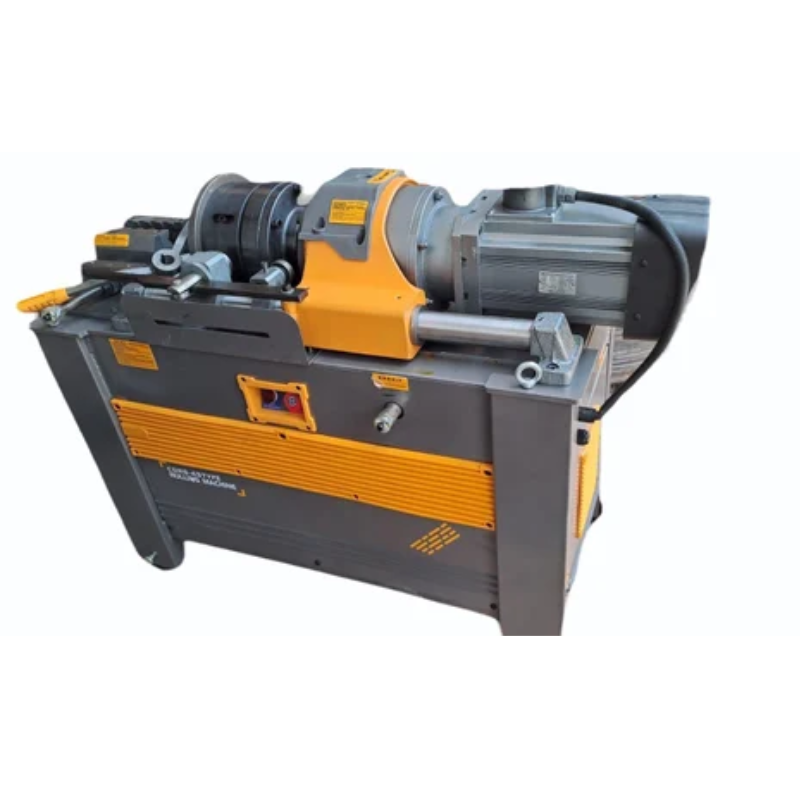
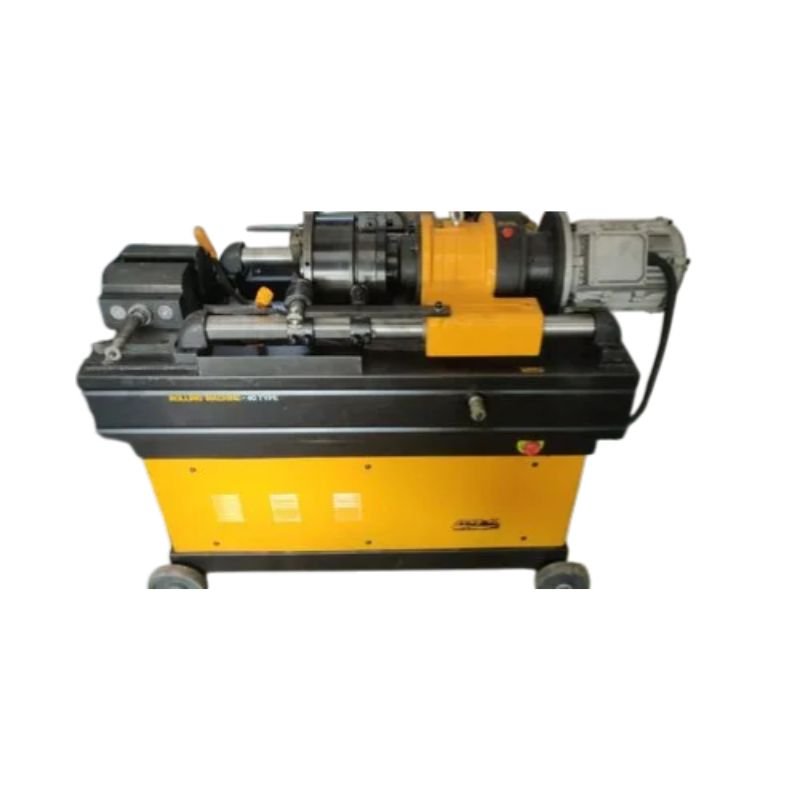
Bar Threading Machine in Mizoram
Get heavy-duty bar threading machines at unbeatable prices. Perfect for industrial & commercial use. Compare models and find your fit – Request a Quote Now! . A bar threading machine is essential industrial equipment used to cut precise threads on reinforcement steel bars (rebars), enabling strong mechanical coupler connections in construction projects. From high-rise buildings and bridges to metro rail and infrastructure projects, bar threading machines deliver stronger joints, significant steel savings, and faster construction compared to traditional lap splicing or welding. At Topall Impex, We are the Manufacturer of Bar Threading Machine - HGS40 Bar Threading Machine, Tmt Bar Threading Machine, CDRG45 Bar Threading Machine offered by Topall Impex, New Delhi, Delhi. We offer manual, semi-automatic, and fully automatic models to suit every project size and budget. Our machines are built for tough Indian site conditions and backed by genuine spare parts and reliable after-sales support. Whether you are a contractor, builder, or fabricator — we help you find the right machine at the best price. Contact Topall Impex today and get a free quote!
Technical Variants
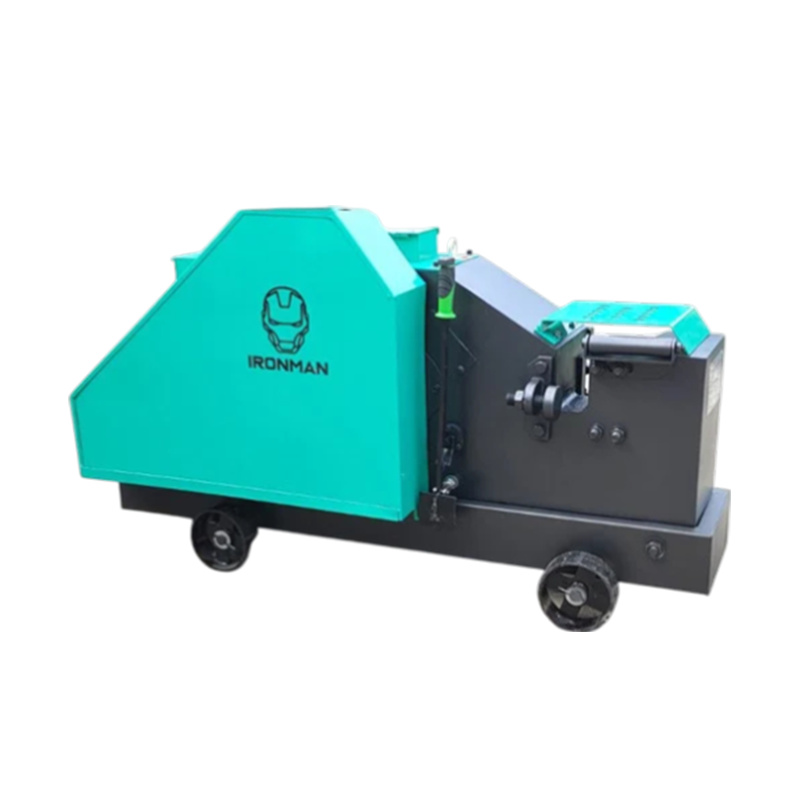
| Specification | Details |
| Model | GQ50E |
| Cutting Range (mm) | 40 |
| Cutting Time | 2/Sec. |
| Power (KW) | 4 |
| Speed (rpm) | 2880 |
| Voltage (v) | 415 |
| Weight (kg) | 480 |
| Dimension (mm) | 1420x520x830 |
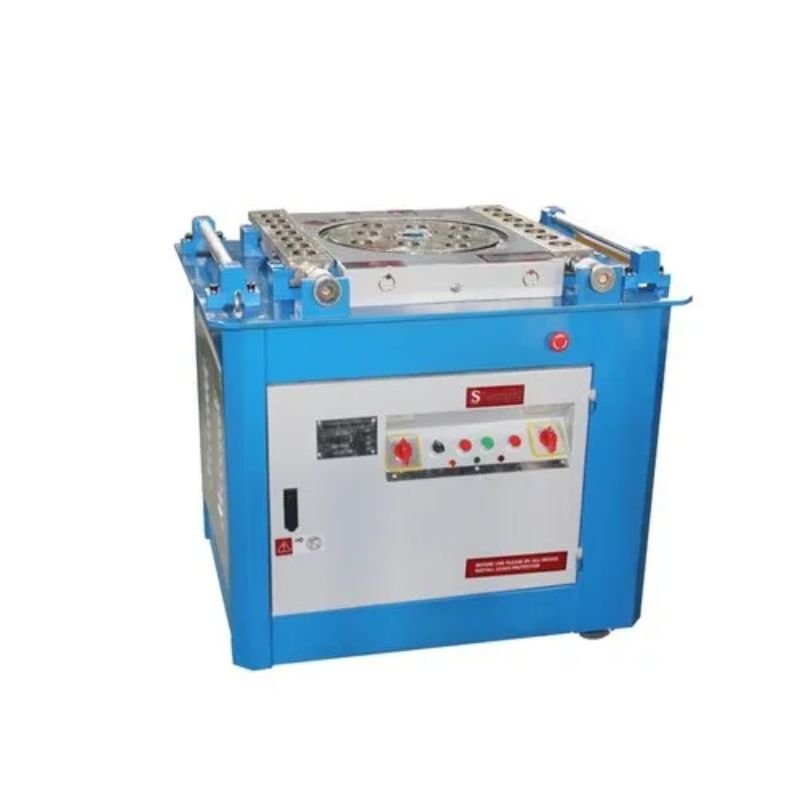
| Specification | Details |
| Model | GW52J |
| Bending Range (mm) | 40 |
| Round Bar (mm) | 50 |
| Working Plate (mm) | 12 |
| Working Disc Dia (mm) | 400 |
| Power (KW) | 4 |
| Speed (rpm) | 1440 |
| Voltage (V) | 415 |
| Weight (kg) | 400 |
| Dimension (mm) | 970x770x880 |
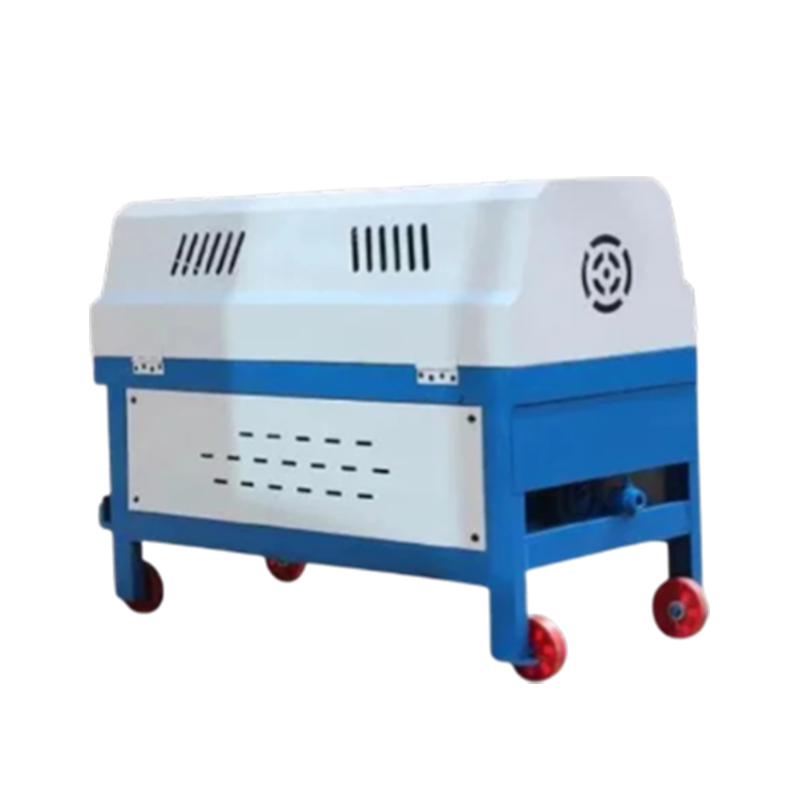
| Specification | Details |
| Model | Gx8-25 |
| Straightening Dia.(mm) | 8-25 |
| Speed of Working | 28m/min |
| Motor Power | 15KW |
| Reducer | 400 |
| Weight (kg) | 900 |
| Packing Size (mm) | 1410x 1020x1280 |
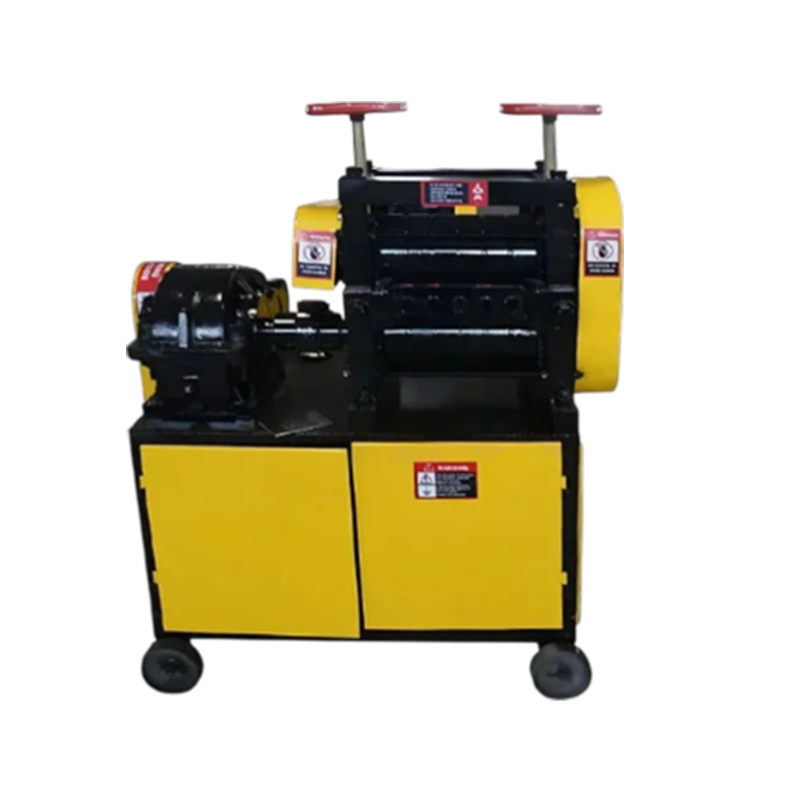
| Product Name | Scrap Straightening Machine |
| Usage/Application | Straightening Scrap Steel Bars and Wire Rods |
| Power Source | Electric |
| Automation Grade | Semi Automatic |
| Power Consuption | 2 Hp |
| Working Speed | 30 m/min |
| Voltage | 380 V, 3 Phase |
| Frequency | 50 Hz |
| Dimension | 1100X600X700 mm |
| Brand | Topall |
| Country of Origin | Made in India |
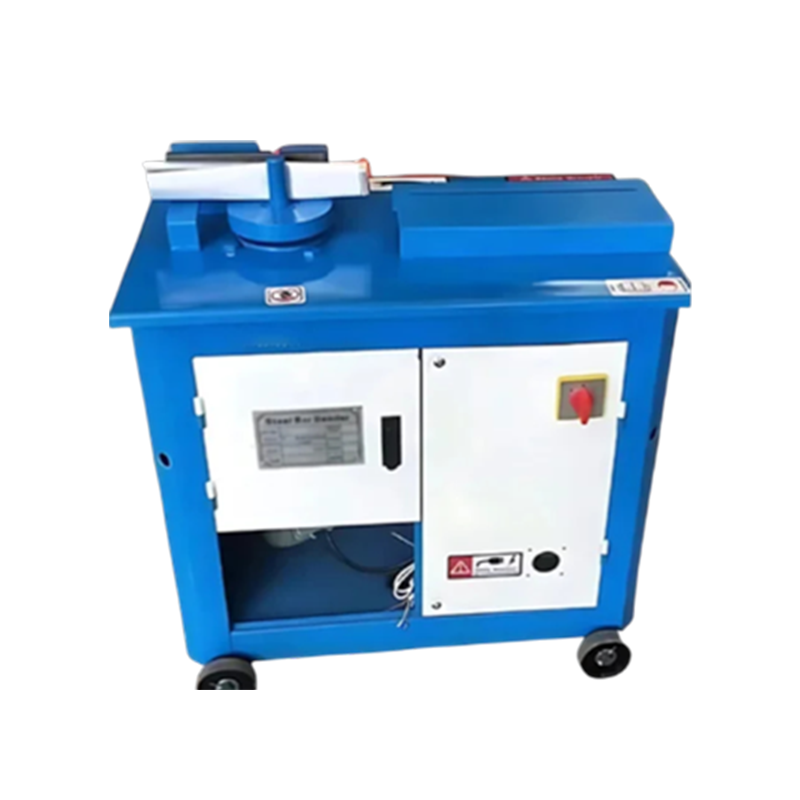
| Specification | Details |
| Model | GW 20 |
| Bending Range (mm) | 4-16 |
| Present Angle | 90°/135° |
| Working Speed (r/min) | 25-30 |
| Angle Feed | Auto |
| Power (Kw) | 2.2 |
| Voltage (v) | 415 |
| Weight (kg) | 95 |
| Dimension | 830 x 550 x 830 |
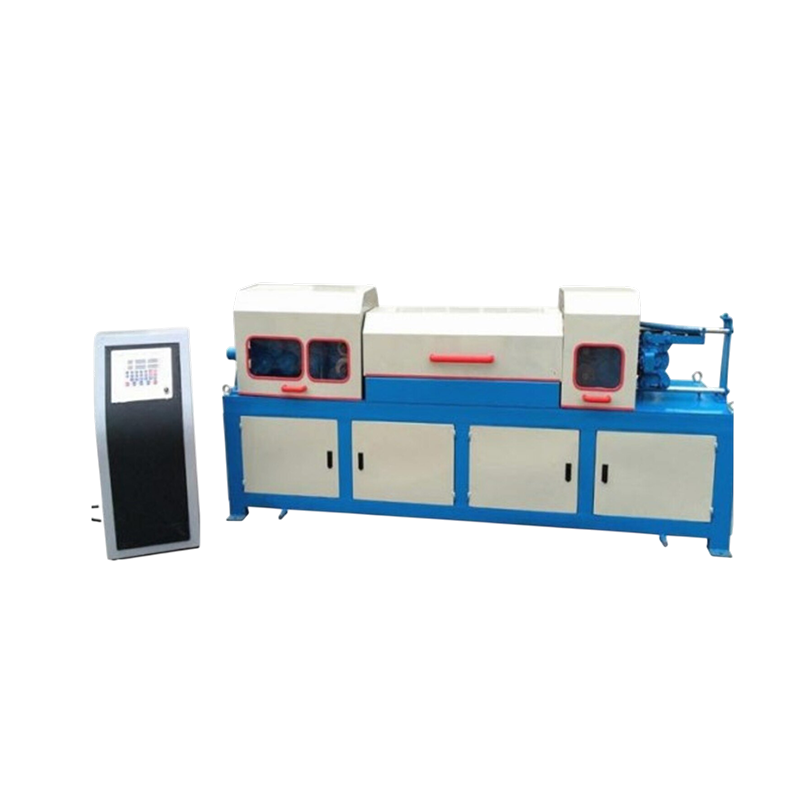
| Specification | Details |
| Model | GT4-14 |
| Straightening Range (mm) | Rebar 4-12 |
| Power (KW) | 9 |
| Speed (m/min) | 30-50 |
| Weight (Kg) | 500 |
| Oiling (Kg) | 20-25 |
Bar Threading Machine for Sale – Fast Shipping in Mizoram - Topall Impex - Bar Bending Machine
Get heavy-duty bar threading machines at unbeatable prices. Perfect for industrial & commercial use. Compare models and find your fit – Request a Quote Now!
Best Bar Threading Machine Manufacturers & Dealers in Mizoram Since 2008 | Topall Impex
Topall Impex is Mizoram's most trusted manufacturer, supplier, and dealer of bar threading machines — serving contractors, builders, infrastructure companies, and fabrication units since 2008. We manufacture the HGS40 Bar Threading Machine, TMT Bar Threading Machine, and CDRG45 Bar Threading Machine, available in manual, semi-automatic, and fully automatic configurations. Every machine is built for tough Indian site conditions, backed by genuine spare parts, competitive pricing, and reliable after-sales support.
📞 Contact us today for a free quote and expert recommendation.
What Is a Bar Threading Machine? (बार थ्रेडिंग मशीन क्या होती है?)
A bar threading machine is a heavy-duty industrial machine that cuts precise, clean helical threads on the ends of steel reinforcement bars — commonly known as rebars. These threads allow rebars to be mechanically joined using threaded couplers, replacing traditional lap splices and welded connections.
Here is exactly how it works in simple terms:
The machine grips the rebar firmly in a vice. A rotating die head, fitted with hardened cutting dies, advances toward the bar end and carves a uniform helical thread along its tip. The threaded end then screws directly into a mechanical coupler — creating a joint that equals or exceeds the tensile strength of the bar itself.
In short: A bar threading machine turns every rebar end into a precision-engineered connection point — stronger, faster, and more economical than any alternative.
Where Is a Bar Threading Machine Used?
Bar threading machines are working on some of India's most demanding construction and infrastructure projects. You will find them on:
- High-rise residential and commercial buildings — where vertical rebar continuity is non-negotiable floor after floor
- Bridges and flyovers — where structural load and seismic performance demand maximum joint strength
- Metro rail and railway infrastructure — for high-strength, precise connections in large-scale national projects
- Tunnels and underground structures — where compact coupler joints save critical space compared to lap splices
- Industrial plants and factories — for heavy structural frameworks requiring consistent, repeatable bar connections
- Dams and hydroelectric projects — where long rebar runs must be spliced without weakening the structure
- Precast concrete manufacturing units — for fast, repeatable threading in production environments
- Steel fabrication workshops — where bars are prepped off-site before dispatch to project locations
Anywhere rebar is used in volume, a bar threading machine is indispensable — not optional.
Benefits of Using a Bar Threading Machine
Switching from lap splicing or welding to mechanical threading with a bar threading machine delivers measurable, real-world advantages on every project.
- Stronger Joints A mechanically threaded coupler joint achieves 100% or more of the rebar's tensile strength — exceeding what most lap splices and hand welds reliably deliver.
- Faster Construction Workers connect threaded bars in seconds using couplers. No welding equipment, no heat, no waiting. Threading dramatically accelerates rebar work and speeds up concrete pour cycles.
- Significant Material Savings Traditional lap splices waste 40 to 60 bar diameters of steel at every joint. Mechanical couplers eliminate that waste entirely — saving steel and money on every single connection.
- Congestion-Free Joints Lap splices cluster multiple bars together, making it difficult to pour and compact concrete properly. Threaded couplers keep joints clean and allow concrete to flow freely — improving structural quality.
- Consistent, Verifiable Thread Quality Every thread cut by the machine follows the same pitch, depth, and profile. There is no variation caused by operator skill differences, unlike welding. Every bar can be verified with a ring gauge.
- Compliance with IS Standards Threaded couplers and mechanical splices meet Bureau of Indian Standards (BIS) requirements under IS 16172. They are accepted by structural engineers and project consultants across India.
- Reduced Labour Costs One operator can thread dozens of bars per hour. Compare that to the time, skill, and cost of welding — the savings are immediate and compound across a project.
Why Bar Threading Machines Are Essential in Modern Construction
Modern construction in India operates under tighter timelines, stricter structural codes, and increasingly competitive project economics. In this environment, bar threading machines have become essential — not a luxury.
- Structural Integrity Comes First Buildings, bridges, and infrastructure must withstand loads, vibrations, seismic activity, and decades of use. A weak rebar joint is a structural liability. Threaded mechanical couplers eliminate that risk by creating joints as strong as or stronger than the parent bar.
- High-Rise Construction Demands It As buildings go taller, lap splicing becomes impractical and code-restricted. IS 16172 and structural design codes increasingly specify mechanical splices for columns and shear walls in buildings beyond a certain height. A bar threading machine makes compliance straightforward.
- Speed Is a Competitive Advantage Contractors using bar threading machines complete rebar work faster. Faster rebar means faster concrete pours, faster floor cycles, and earlier project delivery. In competitive tendering, this efficiency translates directly into profitability.
- Reduces Dependence on Skilled Welders Skilled welders are expensive and increasingly scarce on Indian construction sites. A bar threading machine operator requires far less training, and the output is more consistent than hand welding.
- Supports Sustainable Construction Less steel waste, no welding fumes, and reduced energy consumption make mechanical threading a more environmentally responsible choice compared to welded splices — aligned with green construction goals.
How Does a Bar Threading Machine Work? — Step-by-Step Process
Step 1 — Bar Preparation The rebar end is cut clean and square using a bar cutting machine or angle grinder. A flat, clean end is essential for a precise thread.
Step 2 — Bar Clamping The prepared bar is inserted into the machine's vice. The vice grips the bar firmly, preventing any movement during the threading cycle.
Step 3 — Die Head Engagement The operator activates the machine. The rotating die head — fitted with hardened threading dies of the correct size — advances toward the bar end.
Step 4 — Thread Cutting As the die head rotates and advances, the cutting dies carve a precise helical thread into the steel surface. The pitch, depth, and thread profile are determined by the installed die set.
Step 5 — Thread Completion and Die Retraction Once the required thread length is achieved, the die head retracts automatically (on automatic models) or is manually reversed (on manual models). The bar is released from the vice.
Step 6 — Thread Inspection The operator uses a calibrated ring gauge to verify the thread profile matches the coupler specification. A go/no-go gauge ensures quality control at every bar.
Step 7 — Coupler Installation The threaded bar end screws into the mechanical coupler by hand, then gets tightened with a torque wrench to the specified torque value.
Modern electric bar threading machines complete the full threading cycle in 30 to 90 seconds depending on bar diameter — making the process fast, repeatable, and highly efficient.
Types of Bar Threading Machines
Not all bar threading machines are the same. Choosing the right type depends on your bar sizes, production volume, site conditions, and budget.
1. Manual Bar Threading Machine
Manual machines rely on human effort to advance the die head. They are simple, low-cost, and require no electricity.
- Best for: Small contractors, repair works, occasional use
- Limitation: Slower throughput, more operator effort, suitable for smaller bar diameters
2. Semi-Automatic Bar Threading Machine
Semi-automatic machines use a motorized die head while the operator manually sets the bar and controls the process.
- Best for: Medium-scale projects with moderate threading volumes
- Advantage: Faster than manual, more affordable than fully automatic
3. Automatic (Electric) Bar Threading Machine
Fully automatic machines handle the entire threading cycle at the push of a button — clamping, threading, and die retraction are all powered and controlled automatically.
- Best for: Large infrastructure projects, precast yards, high-volume fabrication shops
- Advantage: Maximum speed, consistent thread quality, minimal operator fatigue
4. Portable Bar Threading Machine
Compact and lightweight, portable machines are designed to be carried and used directly on-site rather than in a fixed workshop.
- Best for: Sites where bars cannot be transported to a central machine, tight or confined spaces
- Advantage: Flexibility and full site mobility
5. Heavy-Duty Industrial Bar Threading Machine
These machines thread large-diameter bars — typically 32mm, 36mm, and 40mm — used in bridge, dam, and industrial foundation work.
- Best for: Heavy civil engineering projects with large rebar specifications
- Advantage: High torque, rugged build, consistent performance on high-diameter bars
6. Taper Thread vs. Parallel Thread Machines
Some machines cut taper threads (a self-tightening wedge profile) while others cut parallel threads (straight threads requiring a lock nut). The type depends on the coupler system your project specifies.
Applications of Bar Threading Machines
Bar threading machines serve every major segment of the construction and infrastructure industry:
- Residential construction — Column and beam rebar connections in apartment buildings and housing complexes
- Commercial real estate — Office towers, malls, and mixed-use developments requiring fast, high-strength rebar splicing
- Infrastructure projects — Highways, expressways, flyovers, underpasses, and bridges
- Metro and rapid transit systems — Piers, viaducts, and station structures
- Industrial construction — Heavy equipment foundations, plant structures, and silos
- Precast concrete production — Connecting precast elements with threaded inserts and couplers
- Nuclear and power plants — Where structural requirements demand certifiably strong rebar connections
- Port and marine structures — Piles, jetties, and retaining walls exposed to heavy loads and corrosive environments
- Retrofit and repair work — Extending existing rebar in renovation, jacketing, or structural upgrade projects
Advantages of Bar Threading Machines at a Glance
- Higher Structural Safety Mechanical coupler joints meet or exceed the tensile strength of the rebar itself — creating fail-safe connections that cannot loosen, slip, or crack under sustained load.
- Up to 30–40% Steel Savings By eliminating lap splice overlap, you cut rebar consumption significantly on every project. The savings on a large infrastructure project run into lakhs of rupees.
- No Hot Work Required Threading is a cold process. No welding, no sparks, no fire risk, and no hot-work permits required on sensitive project sites.
- Works with All Standard Rebar Grades Bar threading machines work with Fe415, Fe500, Fe550, and Fe600 grade TMT bars across diameters from 12mm to 40mm.
- Minimal Operator Training Required Compared to welding, threading machine operation is easy to learn. Most workers become proficient within a few working days.
- Auditable Quality Control Every threaded bar is verifiable with a ring gauge. The process is inherently documentable — important on IS-certified and internationally supervised projects.
- Reduced Concrete Congestion Couplers are slim and compact, allowing concrete to flow and be vibrated properly around the joint — improving the finished structural quality.
- Cost-Effective Over Time The initial machine investment pays back quickly through steel savings, faster work cycles, and reduced labour costs across projects.
How to Choose the Right Bar Threading Machine — Buyer's Guide
Buying a bar threading machine is a significant investment. Here is how to choose the right one:
1. Know Your Bar Diameter Range Identify the smallest and largest bar diameters you will thread. Most machines cover a specific range — for example, 12mm to 32mm or 16mm to 40mm. Confirm the machine covers your full operational range.
2. Assess Your Production Volume How many bars do you need to thread per shift or per day? For occasional use, a manual or semi-automatic machine is sufficient. For high-volume production, a fully automatic model delivers the best return.
3. Consider Power Availability Automatic machines require a stable three-phase power supply. On remote or early-stage sites where power is limited, a manual model may be more practical.
4. Check Thread Type Compatibility Confirm the thread standard your project specifies — IS 16172, BS, parallel, or taper — and ensure the machine and die sets produce that exact thread profile.
5. Evaluate Build Quality Look for machines with a heavy-duty frame, hardened die sets, precision-machined components, and robust electrical controls. Cheap machines wear out fast and produce inconsistent threads.
6. Confirm Die Availability Die sets wear with use and need replacement. Before you buy, confirm that replacement dies for all bar sizes you use are readily available from the manufacturer.
7. Check After-Sales Support A machine that goes down on a large project costs you time and money. Choose a manufacturer or dealer who can deliver spare parts, on-site service, and technical support quickly.
8. Compare Total Cost of Ownership Do not compare purchase prices alone. Factor in die replacement frequency, energy consumption, maintenance costs, and expected machine life. A better-quality machine nearly always has a lower total cost over time.
New vs. Second-Hand Bar Threading Machine — Honest Comparison
New Bar Threading Machine
Pros:
- Full manufacturer warranty — typically one to two years covering mechanical and electrical defects
- Latest die head design, clamping systems, motor efficiency, and safety mechanisms
- Zero wear — every component is fresh, calibrated, and performing at full specification from day one
- Complete die set and accessories included — ready to thread immediately on delivery
- Better resale value when you upgrade or sell later
- Compliance documentation for IS-certified and government-supervised projects
Cons:
- Higher upfront purchase cost
- Steeper depreciation in the first year or two of ownership
Second-Hand Bar Threading Machine
Pros:
- Lower purchase price — often 40 to 60 percent less than a comparable new unit
- Immediate availability — no lead time for manufacturing or delivery
- Lower financial risk for short, one-off projects
Cons:
- Unknown maintenance history and hidden component wear
- No warranty — all repair costs fall on you after purchase
- Potentially discontinued parts — making replacements difficult and expensive
- Inconsistent thread quality from worn dies or a worn die head
- Higher total cost of ownership in many cases once repairs and downtime are factored in
Topall Impex Recommendation: For contractors who use a threading machine regularly across multiple projects, buying new is the smarter long-term investment. The warranty, consistent performance, and full service life deliver better value. If your need is genuinely short-term and one-off, a good-quality used machine from a verifiable, trustworthy source — inspected by a qualified technician before purchase — can be a practical option.
Complete Checklist Before Buying Bar Threading Machines
Use this checklist before every purchase — new or used — to protect your investment.
Machine Specifications
✅ Bar diameter range covers all your requirements (minimum and maximum)
✅ Thread type and standard (IS 16172, parallel, taper, or metric) matches your coupler system
✅ Motor power and supply requirement (single phase or three phase) matches site availability
✅ Threading speed (bars per hour) meets your production volume requirement
Build Quality and Mechanical Condition
✅ Machine frame — no cracks, weld repairs, or structural deformations
✅ Vice mechanism — smooth operation, no jaw wear, full clamping force
✅ Die head — no wobble, smooth rotation, secure die seating
✅ Feed mechanism — smooth, controlled advance and retraction with no sticking or play
✅ No oil leaks from the lubrication system
Die Sets and Tooling
✅ All die sets for every bar size you need — included or clearly priced separately
✅ Cutting edges sharp with no visible chipping, rounding, or cracking
✅ Thread gauges (go/no-go ring gauges) included for quality control
✅ Replacement dies available from the manufacturer or local distributor
Electrical and Safety Systems (Electric Machines)
✅ Motor runs smoothly with no abnormal noise or vibration
✅ Emergency stop engages immediately and holds
✅ Wiring, cable insulation, and terminal connections in good condition
✅ Overload protection functioning correctly
✅ Machine is properly earthed
Thread Quality Verification
✅ Thread a test bar in each required diameter and check with a calibrated ring gauge
✅ Verify thread pitch, depth, and profile against coupler manufacturer's specification
✅ Screw the threaded test bar into an actual coupler and verify fit and engagement quality
Manufacturer and Dealer Credentials
✅ Physical presence and verifiable track record
✅ Warranty terms clearly stated — duration, coverage, and service delivery
✅ Spare parts availability confirmed — dies, vice jaws, and critical components in stock
✅ After-sales service — technician available to visit site if needed
✅ Customer references or project credentials available to verify
For Used Machines — Additional Checks
✅ Machine service history and prior repair records available
✅ Total operating hours checked (if meter is fitted)
✅ Motor inspected for signs of overheating, rewinding, or replacement
✅ Fastener condition — excessive rust or improvised repairs signal poor maintenance
✅ Independent inspection by a qualified technician before commitment to purchase
Commercial Terms
✅ Price includes all accessories, die sets, and thread gauges you need
✅ Delivery, installation, and operator training clearly arranged
✅ Payment terms and fault-on-delivery procedure clearly understood
✅ All terms confirmed in writing before payment is made
Bar Threading Machine Maintenance Guide — Daily, Weekly, and Monthly Checklist
Regular maintenance keeps your machine running at peak performance and extends its service life significantly.
Daily Maintenance
✅ Clear steel cuttings and debris from the machine body, die head, and vice area
✅ Check lubrication — apply cutting oil or threading fluid to the die head before each use
✅ Inspect die condition — check for chips, cracks, or excessive wear on cutting edges
✅ Verify vice gripping force — confirm the bar is held firmly without slipping
✅ Check power cable and connections for damage or loose terminals
Weekly Maintenance
✅ Lubricate all moving parts — vice screw, die head bearings, and feed mechanism
✅ Check and tighten all bolts and fasteners on frame and die head assembly
✅ Test emergency stop function
✅ Inspect motor ventilation for dust and debris blockages
Monthly Maintenance
✅ Measure thread quality using a calibrated ring gauge against specification
✅ Inspect motor brushes (on brush-type motors) and replace if worn
✅ Clean electrical panel — inspect terminals, verify overload protection settings
✅ Review die wear and replace any dies showing significant degradation
Periodic Maintenance
✅ Full machine service by a qualified technician every 6 to 12 months based on usage intensity
✅ Replace die sets on a planned schedule — do not wait for failure
✅ Recalibrate thread gauges annually
Pro Tip: Keep a maintenance log for every machine. Record each inspection, service, die change, and repair. This log is invaluable for warranty claims, troubleshooting, and planning preventive replacements before problems develop.
Common Bar Threading Machine Problems and Solutions
Even well-maintained machines can encounter issues. Here is how to identify and fix the most common problems quickly.
Problem: Threads are too shallow or incomplete
Cause: Worn dies, incorrect die size, or insufficient cutting pressure
Solution: Inspect and replace worn dies. Confirm the correct die set is installed. Ensure the bar end is properly squared before threading.
Problem: Thread pitch is irregular or inconsistent
Cause: Die head wobble, loose die retainer, or bar slipping in the vice
Solution: Tighten all die head components. Check vice clamping force. Ensure the bar is fully seated and clamped before starting the cycle.
Problem: Machine stalls or motor trips during threading
Cause: Bar diameter exceeding machine capacity, dull dies creating excess cutting resistance, or electrical supply issues
Solution: Verify bar diameter is within the rated capacity. Replace dull dies. Check power supply voltage and phase balance.
Problem: Bar not gripping properly in the vice
Cause: Worn vice jaws, incorrect jaw size for the bar diameter, or vice mechanism malfunction
Solution: Inspect and replace worn vice jaws. Use the correct jaw set for the bar size in use. Service the vice screw and mechanism.
Problem: Excessive vibration during operation
Cause: Loose machine mounting, unbalanced die head, or worn bearings
Solution: Check and tighten machine base fasteners. Inspect the die head for damage or imbalance. Check and replace worn bearings.
Problem: Threads do not fit the coupler
Cause: Wrong thread standard, worn dies producing out-of-spec threads, or incorrect bar preparation
Solution: Verify the thread standard matches the coupler. Check thread dimensions with a calibrated gauge. Replace dies if threads are out of tolerance.
Problem: Cutting oil not reaching the die
Cause: Blocked oil delivery line, empty reservoir, or malfunctioning pump
Solution: Check oil level and refill. Clear any blockage in the delivery line. Service or replace the oil pump.
Safety Guidelines for Bar Threading Machine Operation
A bar threading machine is powerful industrial equipment. Following proper safety protocols protects your operators and keeps your operation running without interruption.
- Always wear personal protective equipment (PPE) — Safety gloves, safety glasses, steel-toed boots, and close-fitting work clothes are mandatory during machine operation.
- Inspect the machine before each use — Check that all guards are in place, the vice is functioning correctly, the die head is properly secured, and electrical connections are intact.
- Use only the correct die size — Never attempt to thread a bar with a die set designed for a different diameter. Incorrect dies produce bad threads and can cause the machine to kick or jam.
- Keep hands clear of the rotating die head — Never reach toward the die head while the machine is operating.
- Ensure the bar is securely clamped — A bar that shifts during threading produces a defective thread and creates a safety hazard. Always confirm the vice is fully engaged before starting.
- Never exceed the machine's rated bar diameter — Forcing a machine beyond its capacity damages the dies, strains the motor, and creates serious safety risks.
- Keep the work area clean — Steel shavings accumulate around the machine. Clear them regularly to prevent slips and potential injuries.
- Ground the machine electrically — Proper earthing of the electric motor prevents shock hazard in wet or damp site conditions.
- Train operators before allowing independent use — Only trained personnel operate the machine. Maintain a logbook of operator training records.
- Follow lockout/tagout procedures for maintenance — Always isolate and fully de-energize the machine before performing any maintenance or die change.
Why Choose Topall Impex for Your Bar Threading Machine?
There are many suppliers in Mizoram. Here is what makes Topall Impex the trusted choice for contractors, builders, and engineers since 2008.
- 16+ Years of Industry Experience We have been manufacturing and supplying construction equipment since 2008. We understand the real demands of Indian construction sites because we have served them for over sixteen years.
- Wide Range of Machines We carry manual, semi-automatic, and fully automatic bar threading machines to cover every project scale and budget — from small contractors to large national infrastructure companies.
- High-Quality Manufacturing Every machine we supply is built to perform in tough Indian site conditions — extreme heat, dust, heavy usage cycles, and variable power supply. We do not compromise on build quality.
- Competitive, Transparent Pricing We offer the best value for money in Mizoram NCR. Our pricing is straightforward — no hidden charges, no inflated quotations.
- Comprehensive After-Sales Support Our service does not end at delivery. We provide installation assistance, operator training, genuine spare parts supply, and on-site technical support whenever you need it.
- Trusted by Leading Contractors Since 2008, we have supplied machines to contractors, infrastructure companies, precast manufacturers, and fabrication units across Mizoram, NCR, and beyond.
- Genuine Spare Parts Always in Stock We stock die sets and spare parts for every machine we supply — so your machine never stays down for long.
- Expert Guidance Before You Buy Our team helps you choose the right machine for your specific bar sizes, project type, and production volume. We ask the right questions so you get the right machine — not just any machine.
Our Bar Threading Machine Models — At a Glance
| Model | Type | Bar Diameter Range | Best For |
|---|---|---|---|
| HGS40 Bar Threading Machine | Automatic | 16mm – 40mm | Large infrastructure, precast, high-volume fabrication |
| TMT Bar Threading Machine | Semi-Automatic | 12mm – 32mm | Medium-scale construction projects |
| CDRG45 Bar Threading Machine | Heavy-Duty Automatic | 16mm – 45mm | Bridges, dams, industrial foundations |
Contact us for full technical specifications, pricing, and availability.
Contact Topall Impex — Get Your Free Quote Today
Ready to buy a bar threading machine or need expert advice before you decide? The Topall Impex team is ready to help. We are Mizoram's trusted manufacturers, suppliers, and dealers of bar threading machines with over 16 years of experience serving the construction and fabrication industry across India.
What you get when you contact us:
- Free expert consultation on the right machine for your project
- Transparent, competitive pricing with no hidden charges
- Genuine spare parts availability confirmed before purchase
- Installation support and operator training on delivery
- Reliable after-sales service you can count on
📞 Call us now | 📧 Send an enquiry | 🏭 Visit our Mizoram showroom
Topall Impex (BarBendingMachine.in) — Trusted Bar Threading Machine Manufacturer & Dealer in Mizoram Since 2008