
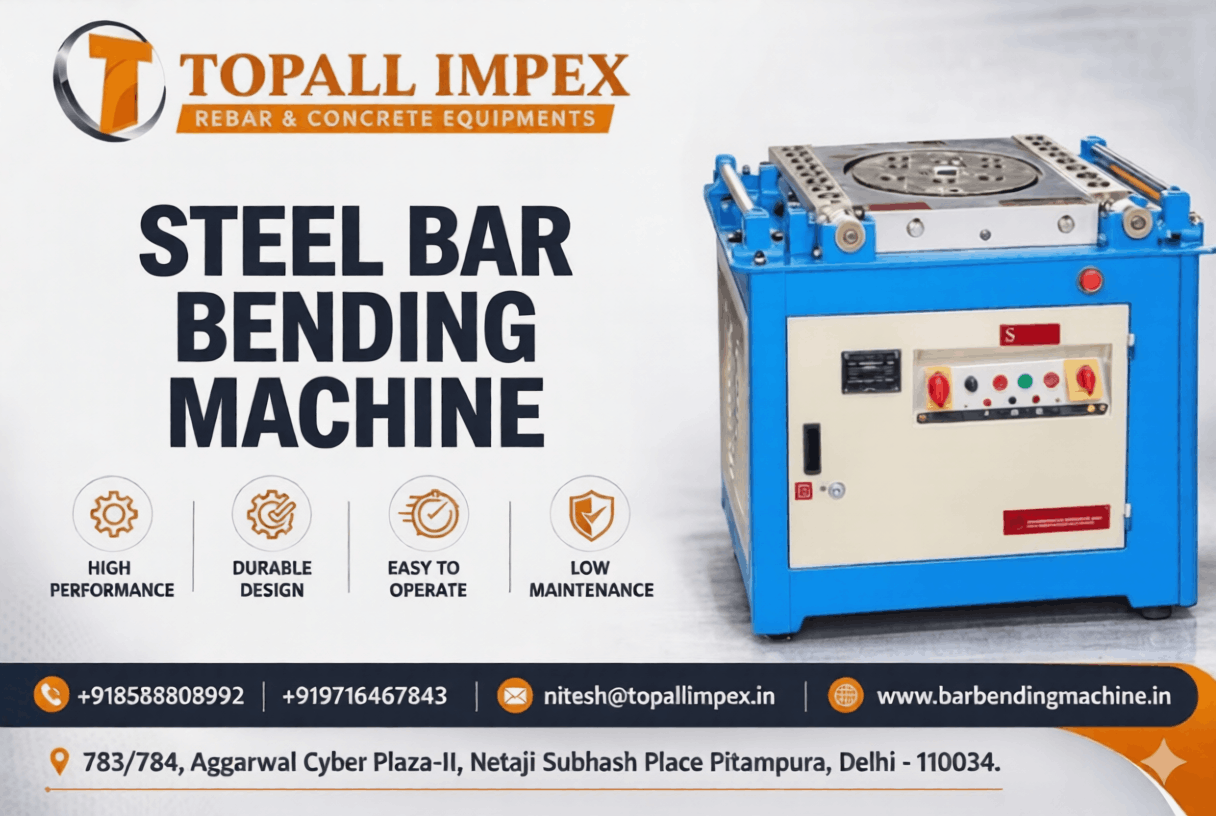
Enhanced Precision in Bending
One of the most significant advantages of using a steel bar bending machine is the enhanced precision it provides in bending operations. Manual bending techniques often result in inconsistencies, which can compromise the integrity and aesthetics of a structure. With a steel bar bending machine, each bend is executed with exactitude, ensuring that every bar meets the specified angles and dimensions. This precision is crucial in construction projects where even minor deviations can lead to structural weaknesses or misalignments.
The enhanced precision offered by these machines is largely due to advanced technology and engineering. Modern steel bar bending machines are equipped with sophisticated software and control systems that allow operators to input precise measurements and angles. The machine then performs the bends with unparalleled accuracy, significantly reducing the margin for error. This level of precision is particularly beneficial in complex projects such as high-rise buildings, bridges, and infrastructure projects, where the structural integrity is paramount.
Furthermore, the consistency provided by steel bar bending machines ensures that every piece of rebar is identical, which simplifies assembly and installation processes. This uniformity not only enhances the structural integrity but also improves the overall aesthetics of the project. Whether you are working on a large-scale construction site or a smaller architectural project, the ability to produce consistently accurate bends is a game-changer, making steel bar bending machines an indispensable tool in modern construction.
Increased Efficiency and Productivity
In the fast-paced world of construction, time is money. One of the most compelling reasons to use a steel bar bending machine is the significant increase in efficiency and productivity it offers. Manual bending methods are not only labor-intensive but also time-consuming, often requiring multiple workers to achieve the desired results. In contrast, a steel bar bending machine can perform the same tasks in a fraction of the time, freeing up workers to focus on other critical aspects of the project.
The automation and speed of these machines are unmatched. Modern steel bar bending machines are designed to handle large volumes of work with speed and precision, drastically reducing the time needed to complete bending tasks. This increased efficiency translates into faster project timelines, allowing construction companies to meet tight deadlines and take on more projects within the same timeframe. The ability to deliver projects on time or even ahead of schedule can give companies a competitive edge in the market.
Moreover, the use of steel bar bending machines reduces the physical strain on workers, minimizing the risk of fatigue and injury. By automating the bending process, these machines allow workers to operate them with minimal physical effort, leading to a safer and more comfortable working environment. This not only improves worker morale and productivity but also reduces the likelihood of accidents and associated downtime, further enhancing overall project efficiency.
Cost-Effectiveness in Construction Projects
Cost management is a critical aspect of any construction project, and using a steel bar bending machine can lead to significant cost savings. While the initial investment in these machines may seem high, the long-term financial benefits far outweigh the upfront costs. One of the primary ways these machines save money is by reducing labor costs. Manual bending requires a team of skilled workers, whereas a single operator can manage an automated bending machine, effectively cutting down on labor expenses.
Additionally, the precision and efficiency of steel bar bending machines result in less material wastage. Manual bending often leads to errors and miscalculations, causing rebar to be discarded and new materials to be used. In contrast, the accuracy of these machines ensures that each bar is bent correctly the first time, reducing the need for rework and minimizing material waste. This not only saves on material costs but also contributes to more sustainable construction practices.
Furthermore, the increased speed and productivity of steel bar bending machines allow construction companies to complete projects faster, reducing overall project costs. Faster completion times mean lower overhead expenses, such as site rentals, equipment leases, and labor costs. By streamlining the bending process and enhancing overall project efficiency, steel bar bending machines can significantly contribute to the financial success of construction projects.
Versatility in Various Applications
The versatility of rebar bending machines is another significant benefit that makes them indispensable in the construction industry. These machines are designed to handle a wide range of bending tasks, making them suitable for various applications, from simple residential projects to complex infrastructure developments. Whether you need to create intricate designs for architectural features or sturdy reinforcements for structural components, a steel bar bending machine can meet your needs with ease.
One of the key features that contribute to this versatility is the ability to bend different sizes and types of rebar. Modern steel bar bending machines are equipped with adjustable settings and interchangeable dies, allowing them to accommodate various diameters and shapes of rebar. This flexibility makes it possible to produce a wide range of bends, from simple 90-degree angles to complex geometric shapes, meeting the diverse requirements of different construction projects.
Moreover, the adaptability of steel bar bending machines extends to their use in different construction environments. These machines can be used on-site or in a dedicated fabrication facility, depending on the specific needs of the project. This adaptability allows construction companies to optimize their workflow and resources, ensuring that bending tasks are carried out efficiently and effectively, regardless of the project location or scale.
Improved Safety for Workers
Safety is a paramount concern in the construction industry, and steel bar bending machines play a crucial role in enhancing worker safety. Manual bending methods often involve significant physical exertion and repetitive motions, which can lead to fatigue, strain injuries, and accidents. By automating the bending process, steel bar bending machines reduce the physical demands on workers, minimizing the risk of musculoskeletal disorders and other work-related injuries.
In addition to reducing physical strain, steel bar bending machines are designed with safety features that further enhance worker protection. Many modern machines are equipped with safety guards, emergency stop buttons, and automated shutoff systems that activate in case of malfunction or operator error. These features help prevent accidents and ensure that the bending process is carried out safely and smoothly.
Furthermore, the use of steel bar bending machines reduces the need for workers to handle heavy rebar manually, which can be a significant source of injury. By automating the bending process, these machines allow workers to maintain a safe distance from the bending operations, reducing the risk of contact injuries and improving overall site safety. By prioritizing worker safety, steel bar bending machines contribute to a safer and more productive construction environment.
Maintenance Tips for Steel Bar Bending Machines
To ensure the longevity and optimal performance of steel bar bending machines, regular maintenance is essential. Proper maintenance not only extends the lifespan of the machine but also ensures that it operates efficiently and safely. One of the most important maintenance tasks is regular cleaning. Dust, debris, and metal shavings can accumulate on the machine's components, affecting its performance and leading to potential malfunctions. Regular cleaning helps prevent these issues and keeps the machine in good working condition.
In addition to cleaning, lubrication of moving parts is crucial. The bending process involves significant friction, which can cause wear and tear on the machine's components. Regularly lubricating these parts reduces friction, prevents corrosion, and ensures smooth operation. It is important to use the appropriate lubricants recommended by the manufacturer and to follow the specified lubrication schedule.
Another essential maintenance tip is to conduct regular inspections and check for signs of wear or damage. Components such as dies, rollers, and bending pins should be inspected regularly for cracks, deformations, or excessive wear. Any damaged parts should be replaced immediately to prevent further damage and ensure the machine's safe operation. Regular maintenance checks and timely repairs help maintain the machine's performance and prevent costly downtime.
Comparing Manual vs. Automated Bending Solutions
When it comes to bending rebar, construction companies have the option of using manual methods or automated machines. Each approach has its advantages and disadvantages, and the choice depends on various factors, including project requirements, budget, and available resources. Manual bending methods involve using hand tools and manual labor to bend rebar. While this approach is cost-effective and suitable for small-scale projects, it has several limitations, including lower precision, higher labor costs, and increased physical strain on workers.
On the other hand, automated bending machines offer numerous benefits, including enhanced precision, increased efficiency, and improved safety. These machines are capable of performing complex bends with a high degree of accuracy, ensuring consistent results and reducing material wastage. The automation of the bending process also speeds up production, allowing construction companies to complete projects faster and more efficiently.
However, the initial investment in automated bending machines can be significant, making them more suitable for larger projects or companies with a higher budget. Despite the higher upfront costs, the long-term benefits of increased productivity, reduced labor expenses, and improved safety often justify the investment. Ultimately, the choice between manual and automated bending solutions depends on the specific needs and constraints of the construction project.
Real-World Case Studies of Steel Bar Bending Machine Use
To fully appreciate the benefits of steel bar bending machines, it is helpful to examine real-world case studies of their use in construction projects. One notable example is the construction of a high-rise residential building in a major city. The project required precise bending of thousands of rebar pieces for the building's reinforced concrete structure. By using steel bar bending machines, the construction team was able to complete the bending tasks with exceptional accuracy and speed, ensuring the structural integrity and timely completion of the project.
Another case study involves the construction of a large bridge in a coastal area. The project required complex bending of rebar to create the bridge's curved and sloped sections. Manual bending methods would have been time-consuming and prone to errors, but the use of steel bar bending machines allowed the construction team to achieve the precise bends required for the project. The machines' versatility and precision were instrumental in successfully completing the challenging project.
A third case study highlights the use of steel bar bending machines in a large-scale infrastructure project, such as the construction of an airport terminal. The project involved extensive use of reinforced concrete, requiring precise bending of rebar for various structural components. The use of automated bending machines significantly increased the efficiency and productivity of the construction team, allowing them to meet tight deadlines and deliver the project on time. These case studies demonstrate the practical benefits of steel bar bending machines in real-world construction scenarios.
Conclusion and Future Trends in Steel Bar Bending Technology
In conclusion, steel bar bending machine offer numerous benefits that make them indispensable in modern construction. From enhanced precision and increased efficiency to cost-effectiveness and improved safety, these machines provide significant advantages over manual bending methods. Their versatility and ability to handle various applications make them suitable for a wide range of construction projects, from residential buildings to large-scale infrastructure developments.
Looking ahead, the future of steel bar bending technology holds exciting possibilities. Advances in automation and artificial intelligence are expected to further enhance the capabilities of these machines, making them even more efficient and user-friendly. Integration with Building Information Modeling (BIM) systems and other digital technologies will enable seamless coordination between design and construction, improving overall project efficiency and accuracy.
Moreover, the development of more eco-friendly and energy-efficient machines will contribute to sustainable construction practices. As the construction industry continues to evolve, steel bar bending machines will play a crucial role in shaping the future of construction, ensuring that projects are completed with precision, efficiency, and safety. By embracing these innovative technologies, construction companies can stay ahead of the curve and deliver exceptional results in an increasingly competitive market.