
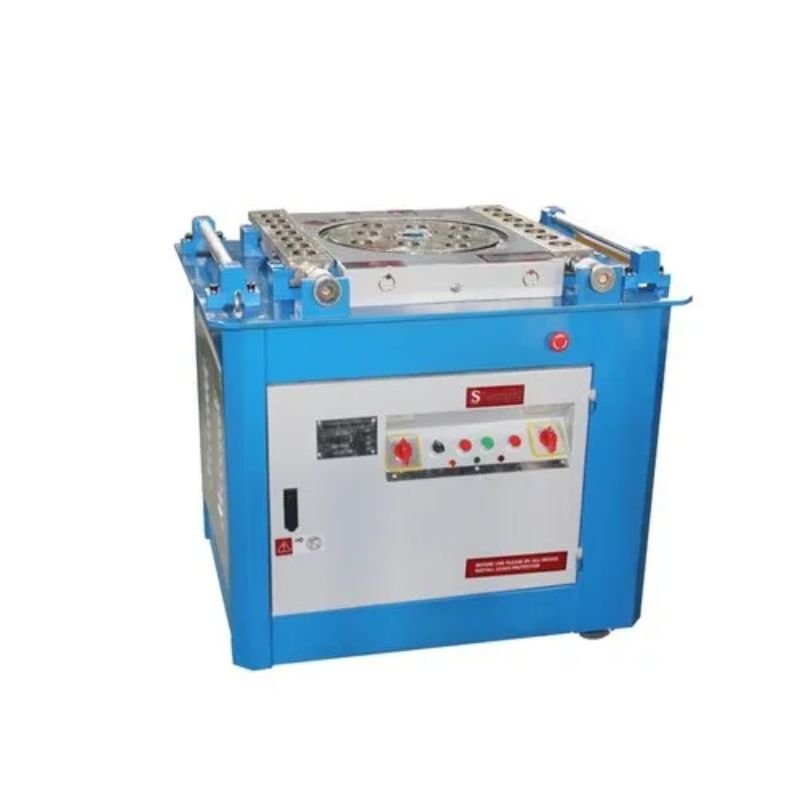

Bar Bending Machine
A bar bending machine is an essential construction equipment used to bend steel bars, TMT bars, and rebar into precise angles and shapes required for reinforced concrete structures. From residential buildings to large-scale infrastructure projects like bridges, highways, and metro systems, this machine plays a critical role in ensuring structural strength and accuracy. These machines are available in manual, semi-automatic, automatic, and CNC variants — each suited to different project sizes and production volumes. A standard machine can bend bars ranging from 6mm to 52mm diameter at angles from 0° to 180°, delivering consistent results that manual bending simply cannot match. Choosing the right machine starts with finding the right partner. Trusted Manufacturer of a wide range of products which include gw42j automatic bar bending machine, gw52c steel bar bending machine, gw52c universal bar bending machine, gw42j bar bender machine, gw42 tmt bar bending machine and gw 52j bar bending machine.
Technical Variants
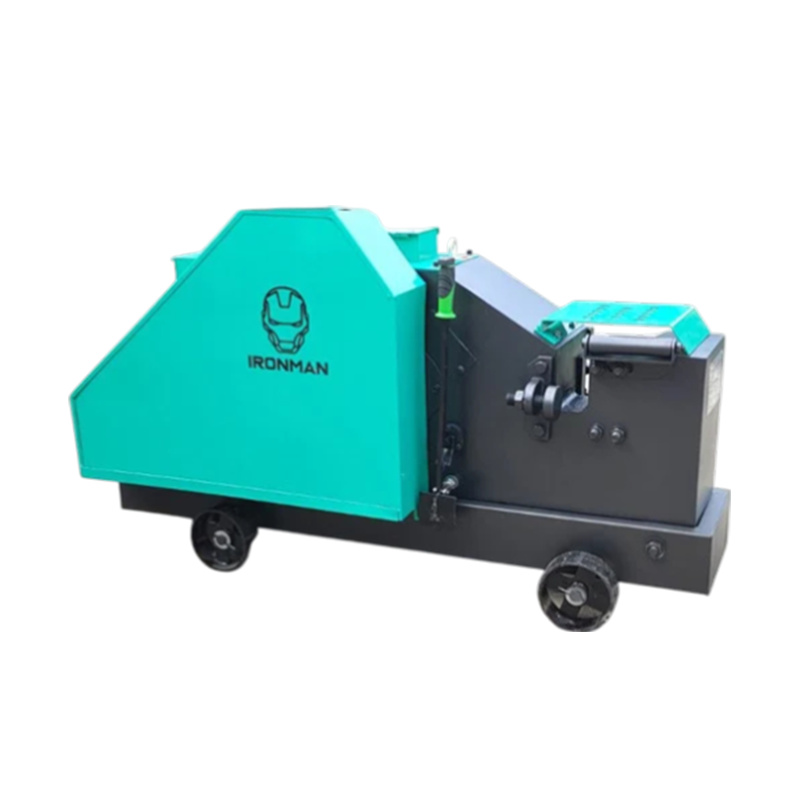
| Specification | Details |
| Model | GQ50E |
| Cutting Range (mm) | 40 |
| Cutting Time | 2/Sec. |
| Power (KW) | 4 |
| Speed (rpm) | 2880 |
| Voltage (v) | 415 |
| Weight (kg) | 480 |
| Dimension (mm) | 1420x520x830 |
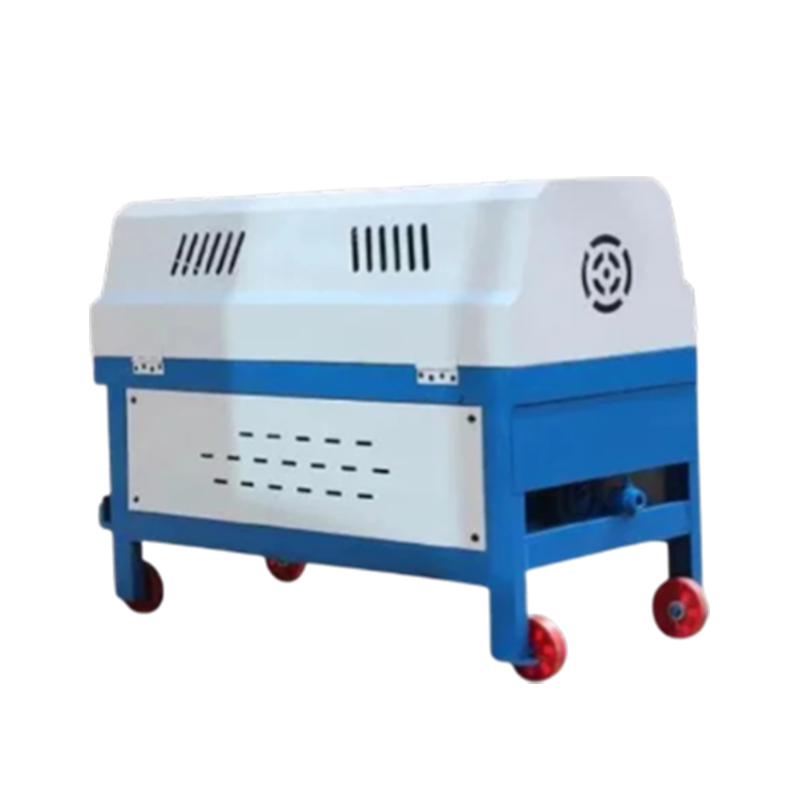
| Specification | Details |
| Model | Gx8-25 |
| Straightening Dia.(mm) | 8-25 |
| Speed of Working | 28m/min |
| Motor Power | 15KW |
| Reducer | 400 |
| Weight (kg) | 900 |
| Packing Size (mm) | 1410x 1020x1280 |
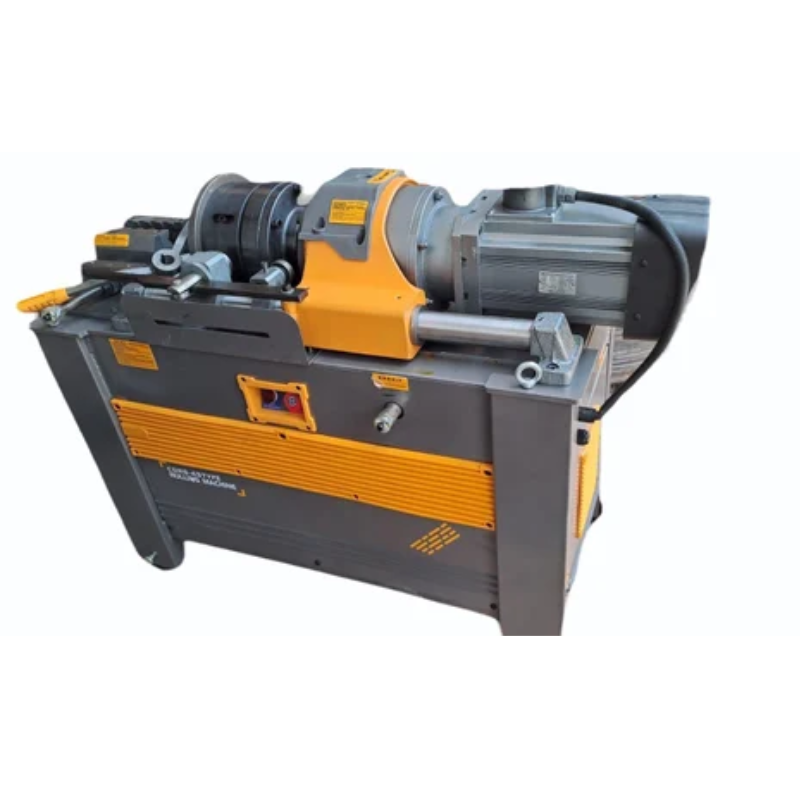
| Specification | Details |
| Model | CDRG45 |
| Threading Range(mm) | 16-40 |
| Threading Length(mm) | upto 80 |
| Main Shaft Speed | 62 r/min |
| Motor Power | 5.5 kw |
| Working Method | Limit Switch/Senser |
| Thread Pitch | 2.5 , 3.0, 3.5 Pitch |
| Weight | 330 KG |
| Dimension (mm) | 1100x480x1040 |
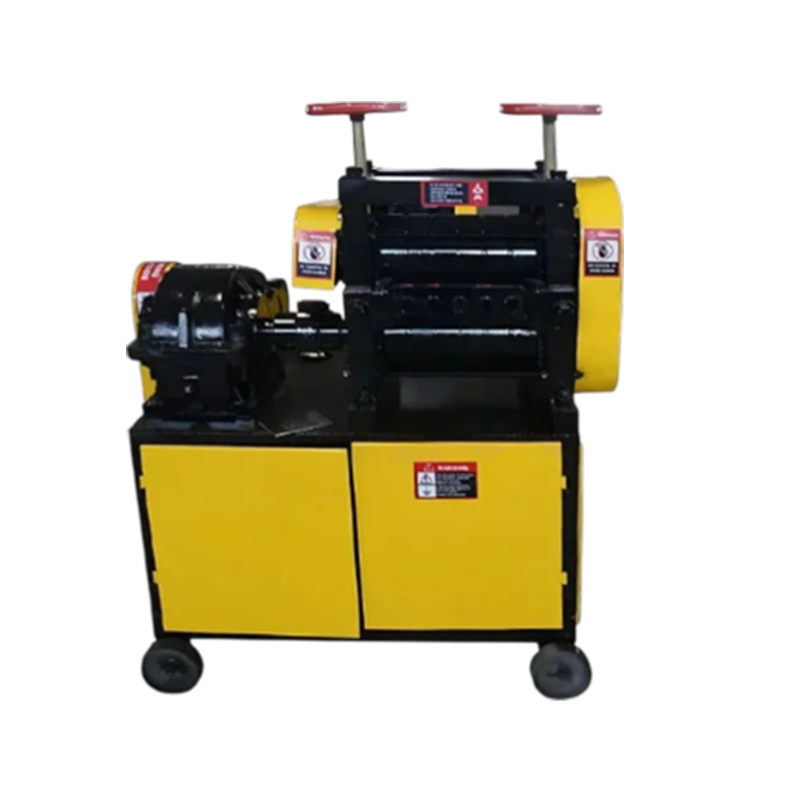
| Product Name | Scrap Straightening Machine |
| Usage/Application | Straightening Scrap Steel Bars and Wire Rods |
| Power Source | Electric |
| Automation Grade | Semi Automatic |
| Power Consuption | 2 Hp |
| Working Speed | 30 m/min |
| Voltage | 380 V, 3 Phase |
| Frequency | 50 Hz |
| Dimension | 1100X600X700 mm |
| Brand | Topall |
| Country of Origin | Made in India |
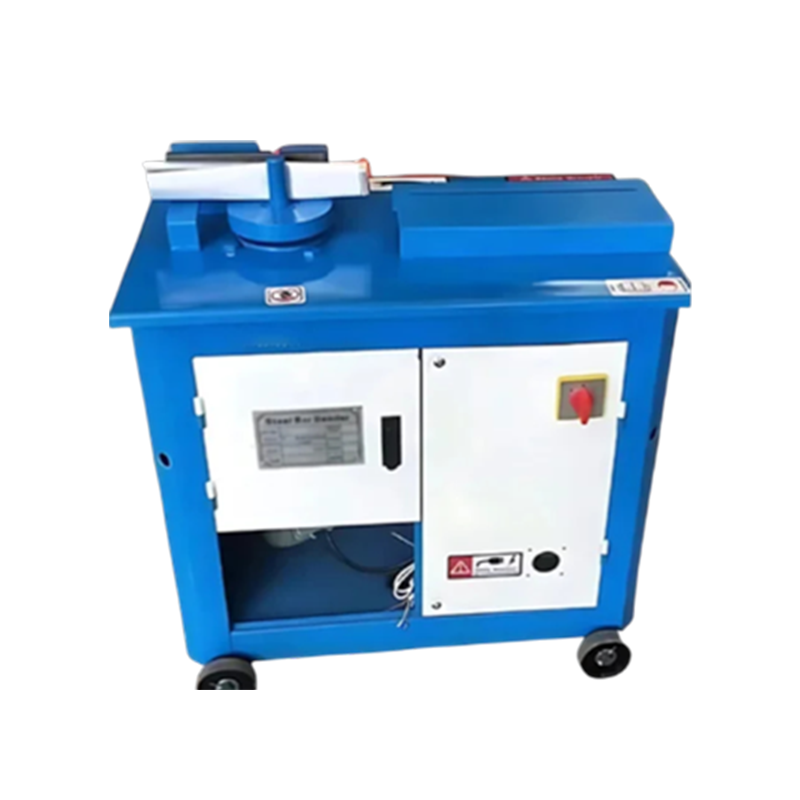
| Specification | Details |
| Model | GW 20 |
| Bending Range (mm) | 4-16 |
| Present Angle | 90°/135° |
| Working Speed (r/min) | 25-30 |
| Angle Feed | Auto |
| Power (Kw) | 2.2 |
| Voltage (v) | 415 |
| Weight (kg) | 95 |
| Dimension | 830 x 550 x 830 |
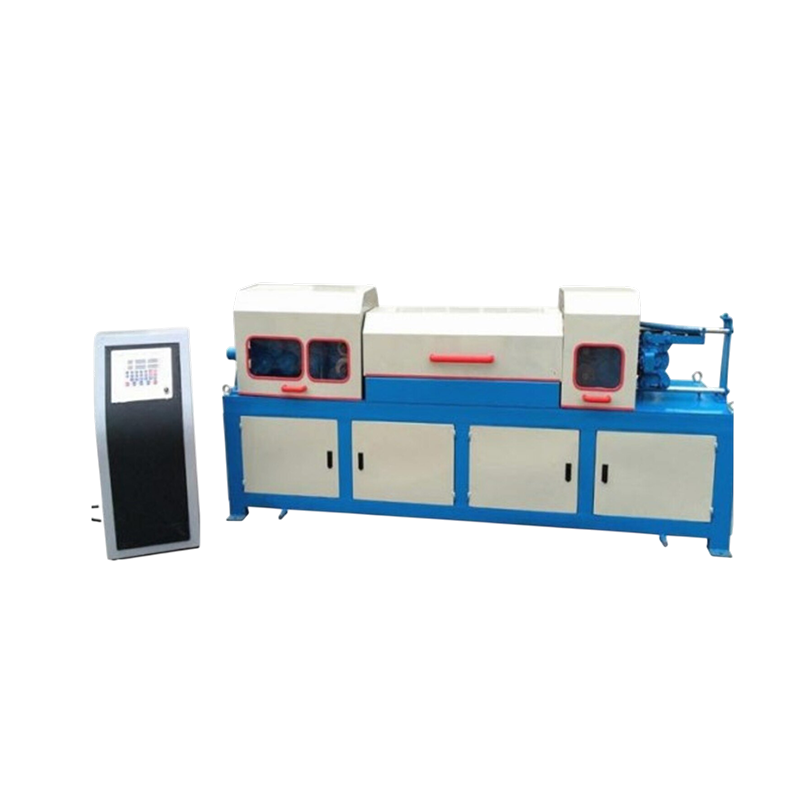
| Specification | Details |
| Model | GT4-14 |
| Straightening Range (mm) | Rebar 4-12 |
| Power (KW) | 9 |
| Speed (m/min) | 30-50 |
| Weight (Kg) | 500 |
| Oiling (Kg) | 20-25 |
Bar Bending Machine - Top Rated Bar Bending Machine Manufacturers & Dealers in Delhi Since 2008 - Topall Impex
A bar bending machine is an essential construction equipment used to bend steel bars, TMT bars, and rebar into precise angles and shapes required for reinforced concrete structures. From residential buildings to large-scale infrastructure projects like bridges, highways, and metro systems, this machine plays a critical role in ensuring structural strength and accuracy. These machines are available in manual, semi-automatic, automatic, and CNC variants — each suited to different project sizes and production volumes. A standard machine can bend bars ranging from 6mm to 52mm diameter at angles from 0° to 180°, delivering consistent results that manual bending simply cannot match. Choosing the right machine starts with finding the right partner. Trusted Bar Bending Machine Manufacturers design machines built for heavy-duty Indian construction site conditions — with powerful motors, durable gear systems, and long service life. Reliable Bar Bending Machine Suppliers ensure you receive the correct model for your project requirements, with transparent pricing, genuine spare parts, and dependable after-sales support. Experienced Bar Bending Machine Dealers bridge the gap between your specific project needs and the right machine — offering guidance, product demonstrations, and ongoing technical assistance. Whether you are a contractor, civil engineer, or construction firm looking to improve efficiency and reduce labor costs on site, investing in a quality bar bending machine is a decision that pays for itself quickly. For the best range of models, honest pricing, and expert support — connect with Topall Impex, a trusted name among bar bending machine manufacturers, suppliers, and dealers in Delhi, India.
What is a Bar Bending Machine? (बार बेंडिंग मशीन क्या है?)
A bar bending machine ( बेंडिंग मशीन, सरिया मोड़ने की मशीन या रिबार बेंडिंग मशीन भी कहते हैं। ) is a powerful construction equipment used to bend steel bars — also called rebar, TMT bars, or saria — into the exact shapes and angles needed for building strong structures. In simple words: whenever you see a building, bridge, flyover, or road being built, the steel rods used inside the concrete are first bent into specific shapes. That bending is done by a bar bending machine. These machines can bend steel bars at any angle — from 0° to 180° — quickly, accurately, and safely. Whether you call it a rebar bending machine, TMT bar bending machine, or steel bar bending machine, it all refers to the same essential construction tool.
What is a bar bending machine used for?
A bar bending machine is used to shape steel reinforcement bars into forms that give concrete structures their strength. Here is what it is commonly used for:
Bending TMT bars, MS bars, and rebar into stirrups, hooks, rings, and spiral shapes. Creating precise angles like 45°, 90°, 135°, and 180° for structural reinforcement. Making uniform stirrups for columns and beams used in buildings. Shaping foundation cages, slabs, and wall reinforcements. Supporting large-scale civil infrastructure projects like highways, tunnels, bridges, and metro systems. Essentially, any project where steel needs to meet a concrete mold at a specific angle depends on a reliable bar bending machine.
Why Bar Bending Machine is Important in Construction
Here is why this machine matters so much on every construction site:
- Structural Safety Comes First. When steel bars are bent at wrong angles or uneven lengths, the entire concrete structure becomes weak. A bar bending machine ensures every bar is bent at the correct angle — every single time — which directly supports the safety of the building.
- India is Building Fast. With massive infrastructure projects happening across India — smart cities, expressways, metro rail, housing projects — the demand for accurate and fast rebar bending has never been higher. Manual bending simply cannot keep up.
- Reduces Human Error. When workers bend bars manually, inconsistency is unavoidable. Machines eliminate this problem by delivering uniform bends with zero guesswork.
- Saves Time and Money. A bar bending machine completes in minutes what would take a team of workers hours to do manually. Faster work means faster project completion — and lower labor costs.
- Better Working Conditions. Bending thick steel bars manually is physically exhausting and risky. Machines protect workers from fatigue and injury.
How does Bar Bending Machine Work?
Understanding how this machine works helps you operate it confidently and choose the right model. A bar bending machine works by using a rotating disc (called a bending plate or turntable) along with a center pin and a bending pin. Here is the step-by-step working principle: The steel bar is placed flat on the machine's working table. The bar is positioned between the center roller and the bending roller. The angle setter is adjusted to the required bending angle (e.g., 90°). The machine is switched on — either by a foot pedal or push button. The bending disc rotates and pushes the bending pin against the bar. The bar bends around the center pin to the pre-set angle. The machine automatically stops at the set angle (in automatic models).
The core components that make this work include the electric motor (which powers the machine), a gearbox (which transfers force), the bending plate (which rotates and bends the bar), the center pin (fixed point around which the bar bends), the bending pin (the moving part that applies pressure), and the angle setter (dial or digital control to pre-set angles). Modern automatic bar bending machines and CNC rebar bending machines work on the same principle — but with digital controls, programmable angle presets, and higher speed.
Types of Bar Bending Machine
There are several types of bar bending machines available in India today. Each type is suited to a different kind of project and budget.
- Manual Bar Bending Machine This is the most basic type. It runs on a motor but requires the operator to manually set up and manage each bend. It is affordable and easy to maintain. Best suited for small contractors, residential construction, and low-volume work. Typically handles bars up to 25mm or 32mm diameter.
- Semi-Automatic Bar Bending Machine A step up from manual machines. Semi-automatic models have pre-set angle stops and foot pedal controls. The operator feeds the bar and the machine bends it to the saved angle automatically. Great for mid-size construction firms and sites needing consistent quality at moderate speed.
- Automatic Bar Bending Machine These machines run on electric motors with automatic forward and reverse functions. Operators can pre-set multiple angles and the machine executes each bend with a single button or pedal press. High production speed, better accuracy, and reduced labor involvement. Widely used on commercial, industrial, and infrastructure sites.
- CNC Bar Bending Machine (Computer Numerical Control) The most advanced type. CNC machines are fully computer-controlled. Operators enter the bending program digitally and the machine executes complex bending sequences automatically — with zero manual adjustment between bends. Used in large-scale civil engineering projects like bridges, highways, railways, metro systems, and high-rise buildings. Highest accuracy, highest output, highest initial cost.
- Stirrup Bending Machine Specially designed to make stirrups — the closed-loop rings used inside beams and columns. These machines handle thinner bars (4mm to 32mm) and create 90° and 135° bends very rapidly. Ideal for precast factories and projects where hundreds of stirrups are needed daily.
- Hydraulic Bar Bending Machine Uses hydraulic pressure instead of a gear-driven motor to bend bars. Capable of bending very thick bars (up to 60mm). Less noise, smoother operation. Used in heavy industrial and specialized construction where extra bending force is required.
Benefits of a Bar Bending Machine
Using a bar bending machine on your construction site delivers these real, measurable benefits:
- Speed and output — machines bend bars up to 10 to 20 times faster than manual bending.
- Precision and consistency — every bend is identical, meeting structural drawing requirements exactly.
- Reduced material waste — accurate bends mean fewer bars wasted due to errors.
- Lower labor cost — one operator handles what previously required 3–4 workers.
- Workplace safety — operators are protected from the physical strain and injury risk of manual bending.
- Better project timelines — faster bending means faster reinforcement cage assembly and faster concrete pours.
- Versatility — one machine handles stirrups, hooks, U-bars, spirals, and straight bends across multiple bar sizes.
Bar Bending Machine Specifications to Know
Before buying or renting a bar bending machine, understand these key specifications:
- Bending Capacity (Diameter Range) — The minimum and maximum diameter of bars the machine can bend. Common ranges: 6mm to 32mm, 6mm to 40mm, or 6mm to 50mm.
- Motor Power — Measured in kW or HP. Typical range: 3 kW (4 HP) to 5.5 kW (7.5 HP). Higher capacity machines need more powerful motors.
- Bending Speed — Measured in bends per minute or revolutions per minute (RPM). Ranges from 5 RPM (heavy duty) to 20 RPM (lighter models).
- Bending Angle Range — Most machines bend from 0° to 180°. Some advanced models offer 360° rotation.
- Machine Weight — Ranges from 280 kg to 450 kg depending on the model. Heavier machines are more stable but less portable.
- Working Table Thickness — Typically 10mm to 12mm steel plate. Thicker is more durable.
- Power Supply — Most machines require 3-phase 415V power supply. Some smaller models work on single-phase 220V.
- Bending Plate Diameter — Usually 360mm to 410mm. Larger plates allow bigger bar diameters.
Applications of Bar Bending Machine
Bar bending machines are used across a wide range of construction and civil engineering applications:
- Residential buildings — columns, beams, slabs, staircases.
- Commercial buildings — shopping malls, office complexes, hotels.
- Industrial structures — warehouses, factories, power plants.
- Infrastructure projects — roads, highways, expressways, flyovers.
- Bridge construction — deck reinforcement, piers, abutments.
- Tunnel construction — lining cages and support structures.
- Metro and railway projects — platforms, viaducts, tunnels.
- Water treatment plants and dams — thick structural reinforcement.
- Precast concrete manufacturing — standardized reinforcement cages.
- Foundation and piling work — raft foundations, pile caps.
Advantages of Using a Bar Bending Machine
Here is a clear summary of why bar bending machines outperform manual methods:
- Accuracy — digital or dial-set angle control eliminates guesswork and ensures every bar meets drawing specifications.
- Time saving — what takes a crew 4–5 hours manually is done by one machine operator in under an hour.
- Uniform output — every stirrup, hook, or bend is identical, which is critical for structural integrity.
- Cost efficiency — long-term savings on labor, wastage, and project delays far outweigh the machine's purchase price.
- Operator safety — no manual force needed; foot pedals and emergency stop buttons keep workers protected.
- Scalability — one machine can support multiple bar sizes and bend types, making it useful across different project phases.
- Low maintenance — gear-driven and electric models have few moving parts and are easy to service with regular lubrication.
Bar Bending Schedule — What It Is and Why It Matters
A bar bending schedule (BBS) is a detailed document prepared by structural engineers that lists every steel bar required for a project. It includes the bar mark number, bar diameter, shape code, cutting length, number of bars, and total weight. The bar bending machine operator follows this schedule to bend each bar exactly as specified. Without a bar bending schedule, bars may be cut or bent incorrectly — wasting material and compromising structural safety.
Why it matters for machine operators: The BBS tells you exactly which angle to set, which bar size to use, and how many bends to make per bar. It is your manufacturing instruction sheet for steel reinforcement.
Key information found in a BBS: Bar mark (identification number), shape of bend (straight, stirrup, L-shape, U-shape), diameter of bar (in mm), cutting length (in mm or meters), number of pieces, and total weight per bar type.
A proper BBS reduces material waste by 10–15% and eliminates rework on construction sites.
How to Choose the Right Bar Bending Machine - Tips & Tricks
Buying the wrong machine is an expensive mistake. Here is how to choose correctly:
Step 1 — Know your bar diameter. What is the thickest bar you regularly work with? If it is 32mm, a GW42 model is sufficient. If you often work with 40mm or 50mm bars, go for GW52 or GW50.
Step 2 — Estimate your daily output. High-volume sites (50+ bends per hour) need an automatic model. Smaller sites can work with semi-automatic or manual machines.
Step 3 — Check power availability. Most bar bending machines need 3-phase 415V supply. If your site only has single-phase power, look for appropriate models or make power arrangements.
Step 4 — Consider portability. If your machine moves between sites frequently, choose a lighter model or one with wheel attachments for easier transport.
Step 5 — Verify after-sales support. Always buy from a manufacturer or dealer who offers genuine spare parts, technical support, and service in your city. Spare parts availability is critical to avoid costly downtime.
Step 6 — Check the warranty. Reputable brands offer 1-year warranty on the machine. This protects your investment.
Step 7 — Match the machine to your project type. Residential builder? GW42 or GW42J is ideal. Commercial or infrastructure contractor? Go for GW52 or heavier models.
Safety Tips for Operating a Bar Bending Machine— How to Operate Step-by-Step
Safety is non-negotiable. Always follow these guidelines before and during operation.
Before You Start: Read the machine's user manual completely before first use. Inspect the machine for any loose bolts, damaged wiring, or worn parts. Wear personal protective equipment — safety goggles, thick gloves, and steel-toed boots. Make sure the working area is clean and free of clutter. In cold weather or monsoon season, run the machine for 3–5 minutes to warm up before beginning production work. Ensure the power supply matches machine requirements. Never operate a bar bending machine under the influence of alcohol or medication.
Step-by-Step Operation:
Step 1 — Place the steel bar on the working table between the center pin and bending pin.
Step 2 — Align the bar parallel to the front edge of the machine using the stopper.
Step 3 — Turn on the main switch — the pilot lamp should illuminate.
Step 4 — Set the angle dial or digital control to the required bending angle (e.g., 90°).
Step 5 — Make one test bend first and verify the angle with a measuring tool.
Step 6 — Adjust the angle setter slightly if the test bend is off.
Step 7 — Once confirmed, proceed with production bending using the foot pedal or operation button.
Step 8 — After completing work, switch off the machine and clean the working surface.
During Operation — Safety Rules: Keep hands away from the rotating disc, center roller, and bending pin at all times. Never reach into the bending area while the machine is running. Never exceed the machine's stated maximum bar diameter. Only trained personnel should operate the machine. Install a safety lockout on the control panel to prevent unauthorized use. Never rush the bending process — hurrying leads to accidents and incorrect bends.
Bar Bending Machine Maintenance Tips
A well-maintained machine lasts longer, performs better, and costs less over time. Follow this routine:
Daily Maintenance: Clean the working table after every shift. Check for any visible cracks, loose fasteners, or abnormal sounds. Wipe down the bending plate and pins to remove metal dust and debris.
Weekly Maintenance: Lubricate all moving parts — gears, shafts, and bearings — with appropriate grease or machine oil. Check electrical wiring and connections for wear or heat damage. Inspect the bending pins and center pin for wear; replace if edges are rounded or damaged.
Monthly Maintenance: Check the motor for overheating signs. Inspect the gearbox oil level and top up if required. Test the emergency stop function to ensure it works correctly. Verify that all bolts and mounting points are tight and secure.
General Rules: Never allow untrained operators to use the machine. Always use the correct pin size for the bar diameter being bent. Store the machine in a covered, dry location when not in use. Only use genuine spare parts from the manufacturer or authorized dealer.
Common Problems of Bar Bending Machine and Solutions
Here are the most frequently encountered issues and how to handle them:
Problem 1 — Machine does not start Possible cause: Power supply issue, blown fuse, or faulty main switch.
Solution: Check the power cable connections, verify the fuse, and test the main switch. Consult an electrician if the issue persists.
Problem 2 — Bar does not bend to the correct angle Possible cause: Angle setter is not calibrated, or the bar has spring-back effect.
Solution: Always make a test bend first. Adjust the angle setter 2–3 degrees beyond the target angle to compensate for spring-back in the bar.
Problem 3 — Machine makes unusual noise during operation Possible cause: Dry or worn gears, loose internal components.
Solution: Lubricate the gearbox and gears immediately. Check for loose bolts inside the housing. Stop using the machine until the noise is identified and resolved.
Problem 4 — Motor overheats Possible cause: Continuous overloading — bending bars above the machine's rated capacity.
Solution: Reduce bar diameter or allow the machine to cool down. Never exceed rated capacity.
Problem 5 — Bending pin breaks or wears out quickly Possible cause: Using wrong pin size or bending oversized bars.
Solution: Always match pin size to the bar diameter. Use original manufacturer pins only.
Problem 6 — Machine stops mid-bend Possible cause: Overload protection activated or limit switch malfunction.
Solution: Check the limit switch position and reset. Reduce load and restart.
Why Choose Topall Impex for Bar Bending Machine?
When it comes to bar bending machine manufacturers and suppliers in Delhi, Topall Impex is a trusted name with years of proven experience in the construction machinery industry.
Here is what sets Topall Impex apart:
- Wide Product Range. Topall Impex offers a comprehensive range of bar bending machines including GW42J, GW52C, GW52J, GW40J, GW50, and specialized TMT bar bending machines — covering every project size from residential to large-scale infrastructure.
- Quality You Can Rely On. Each machine is built with heavy-duty steel frames, high-grade gearboxes, and reliable electric motors — designed to withstand continuous heavy use on Indian construction sites.
- Genuine After-Sales Support. Topall Impex provides genuine spare parts and technical support. You are not left alone after purchase — the team stands behind every machine sold.
- Serving Delhi and Pan India. Located in Pitampura, New Delhi, Topall Impex serves customers across Delhi NCR and ships machines pan-India. Whether you are a contractor in Delhi, a builder in Haryana, or an infrastructure firm in UP — Topall Impex delivers.
- Transparent Pricing. No hidden costs, no inflated rates. Topall Impex offers competitive, fair pricing on all models with clear specifications so you know exactly what you are getting.
- Expert Guidance. Not sure which machine is right for your project? The Topall Impex team helps you match the right model to your bar sizes, project type, and budget — so you invest wisely.
- Trusted by Contractors and Construction Companies. Topall Impex has built a strong reputation among construction contractors, civil engineering firms, and bar fabrication workshops across North India.
Bar Bending Machine Price / Cost in Delhi, India
Bar bending machine prices in India vary based on the type, model, motor power, and bending capacity. Here is a realistic price overview for 2025 based on current market data:
- Manual Bar Bending Machine — ₹28,000 to ₹55,000 per piece. Suitable for small sites and low-budget projects.
- Semi-Automatic Bar Bending Machine (32mm capacity) — ₹49,500 to ₹75,000 per piece. GW42 series falls in this range.
- Automatic Bar Bending Machine (32mm–40mm capacity) — ₹65,000 to ₹1,00,000 per piece. GW42J, GW42U models are popular in this range.
- Heavy-Duty Automatic Machine (40mm–52mm capacity) — ₹1,00,000 to ₹1,50,000 per piece. GW52 and GW52C models fall here.
- Stirrup Bending Machines — ₹60,000 to ₹1,20,000 depending on capacity and automation level.
- CNC Bar Bending Machines — ₹2,00,000 and above for fully automated programmable models.
Factors That Affect the Price: Bar bending capacity (diameter range), motor power (kW or HP), automation level (manual / semi-auto / fully automatic), brand and build quality, warranty and after-sales service, and whether GST is included in the quoted price.
Important Note: Prices listed here are indicative market ranges as of 2025. Final pricing depends on the model, supplier, location, and current raw material costs. Always request a formal quotation with GST breakup from your supplier.
For the best bar bending machine price in Delhi with genuine quality and reliable after-sales service, contact Topall Impex directly for a current, model-specific quotation.
Contact Topall Impex (BarBendingMachine.in) For Bar Bending Machine At Best Price in Delhi - Trusted Manufacturers and Suppliers in Delhi Since 2008
Looking for a reliable bar bending machine in Delhi? Contact Topall Impex For Buy Bar Bending Machine at best Price in Delhi from Topall Impex — Delhi's No.1 steel bar bending machine manufacturer & supplier. Call now for best price — for the best models, honest pricing, and expert guidance for your construction project.