
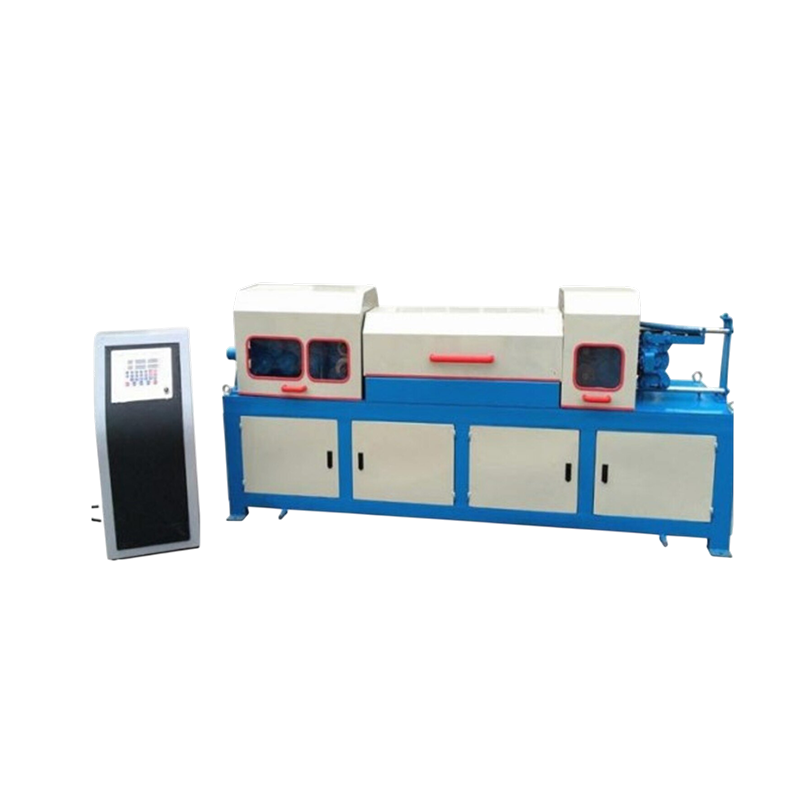
Decoiling Machine
A decoiling machine is industrial equipment that unwinds and straightens steel coils, wire rods, and metal strips — making them ready for further processing. It is widely used in construction, automotive, cable manufacturing, and fabrication industries to ensure smooth, continuous material flow without manual handling errors. These machines come in manual, semi-automatic, automatic, and motorized types, built to handle coil weights from 500 kg to over 10,000 kg across different material grades and sizes. Whether you run a small workshop or a large production plant, a decoiling machine helps you save time, cut material waste, and boost overall efficiency. Topall Impex, based in New Delhi, Delhi, is a trusted Suppliers - Dealers And Manufacturer of Rebar Decoiling Machine - 7.5HP Rebar Decoiling Machine, GT4 12 Rebar Decoiling Machine offered by Topall Impex, New Delhi, Delhi.
Technical Variants
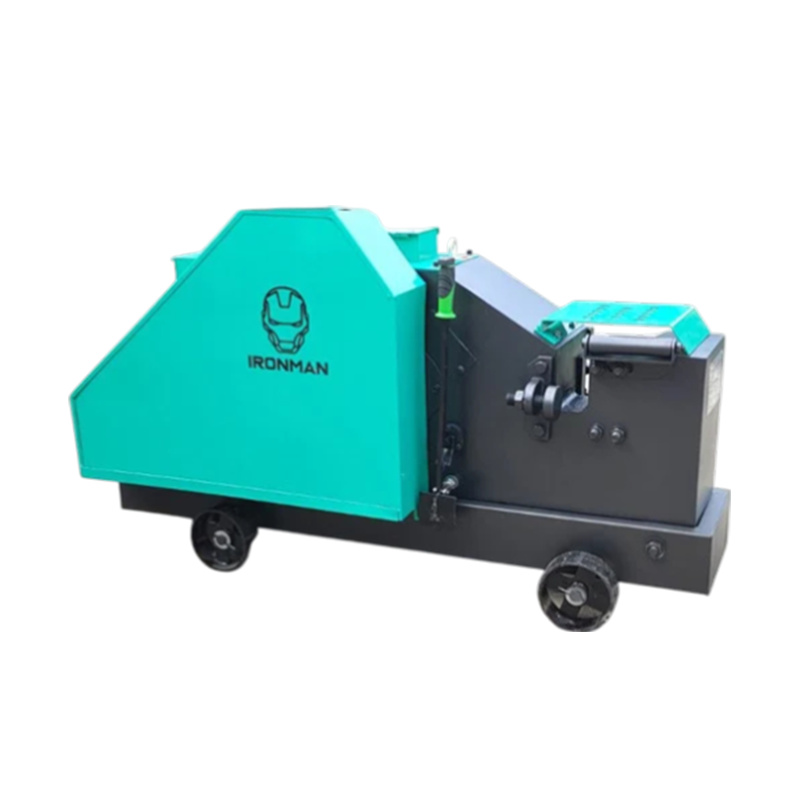
| Specification | Details |
| Model | GQ50E |
| Cutting Range (mm) | 40 |
| Cutting Time | 2/Sec. |
| Power (KW) | 4 |
| Speed (rpm) | 2880 |
| Voltage (v) | 415 |
| Weight (kg) | 480 |
| Dimension (mm) | 1420x520x830 |
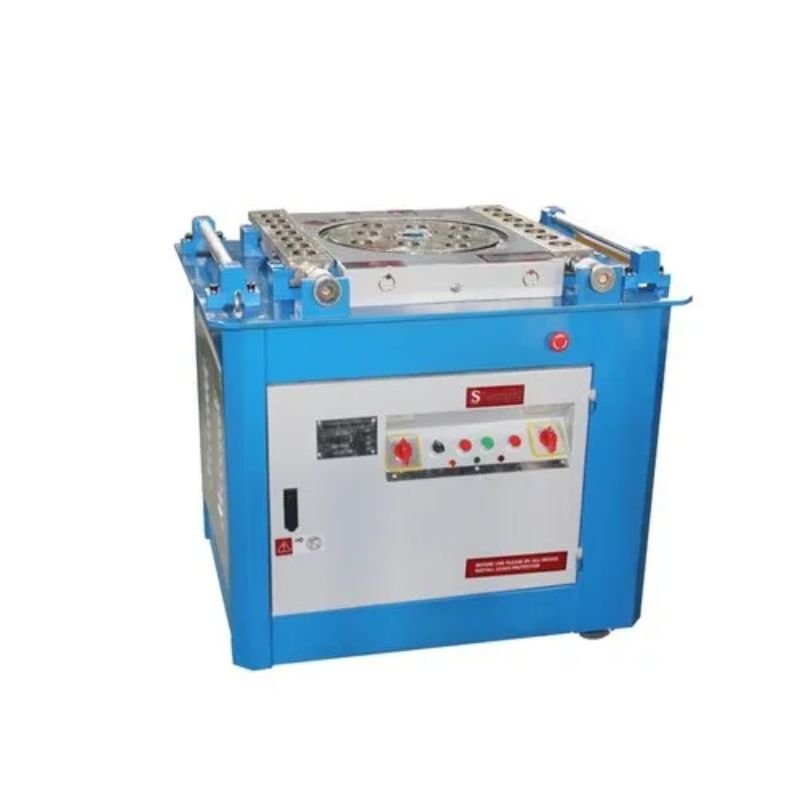
| Specification | Details |
| Model | GW52J |
| Bending Range (mm) | 40 |
| Round Bar (mm) | 50 |
| Working Plate (mm) | 12 |
| Working Disc Dia (mm) | 400 |
| Power (KW) | 4 |
| Speed (rpm) | 1440 |
| Voltage (V) | 415 |
| Weight (kg) | 400 |
| Dimension (mm) | 970x770x880 |
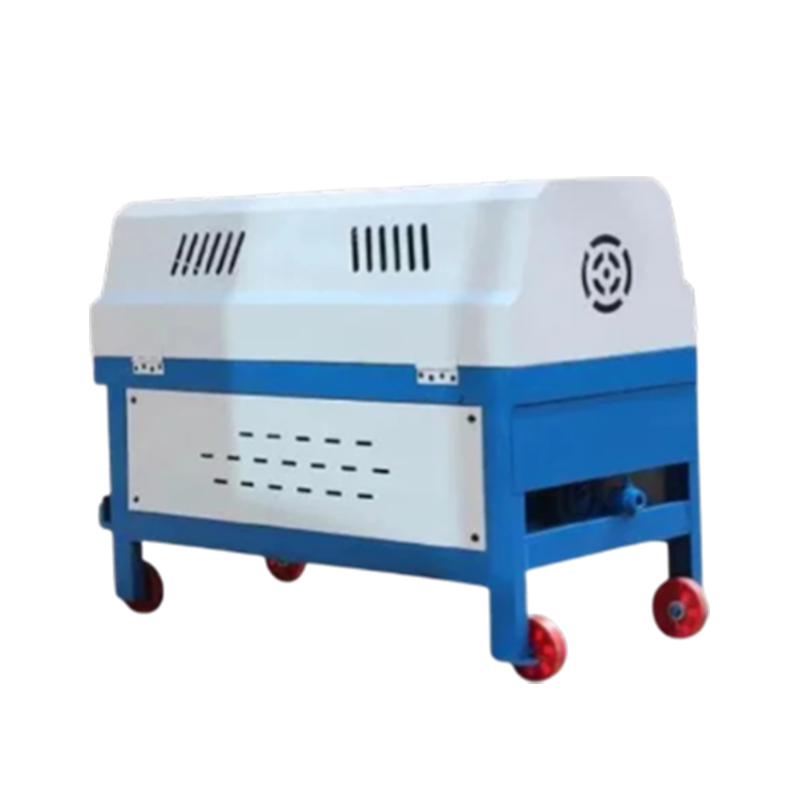
| Specification | Details |
| Model | Gx8-25 |
| Straightening Dia.(mm) | 8-25 |
| Speed of Working | 28m/min |
| Motor Power | 15KW |
| Reducer | 400 |
| Weight (kg) | 900 |
| Packing Size (mm) | 1410x 1020x1280 |
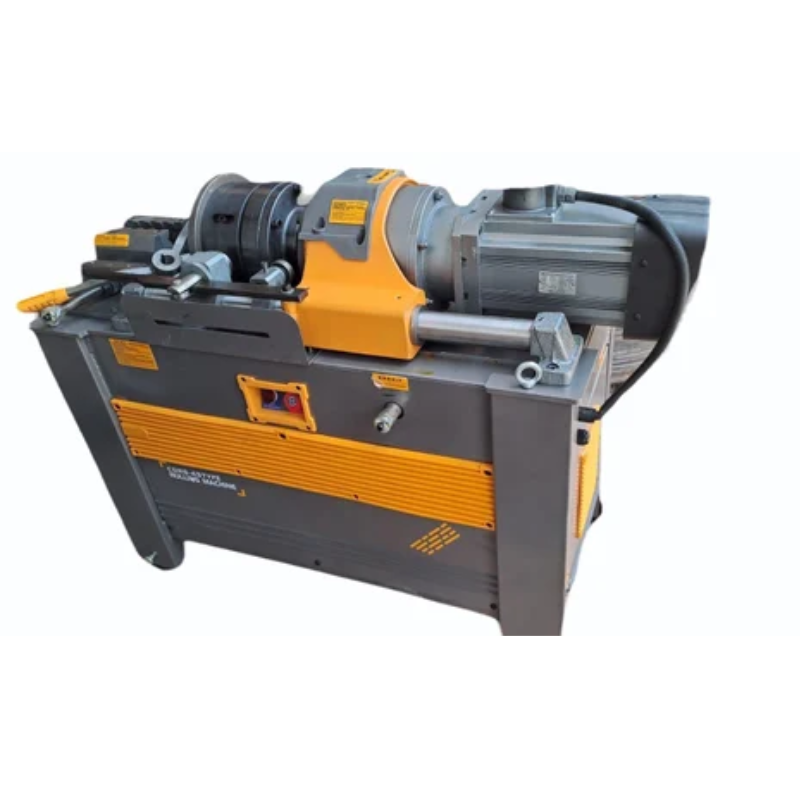
| Specification | Details |
| Model | CDRG45 |
| Threading Range(mm) | 16-40 |
| Threading Length(mm) | upto 80 |
| Main Shaft Speed | 62 r/min |
| Motor Power | 5.5 kw |
| Working Method | Limit Switch/Senser |
| Thread Pitch | 2.5 , 3.0, 3.5 Pitch |
| Weight | 330 KG |
| Dimension (mm) | 1100x480x1040 |
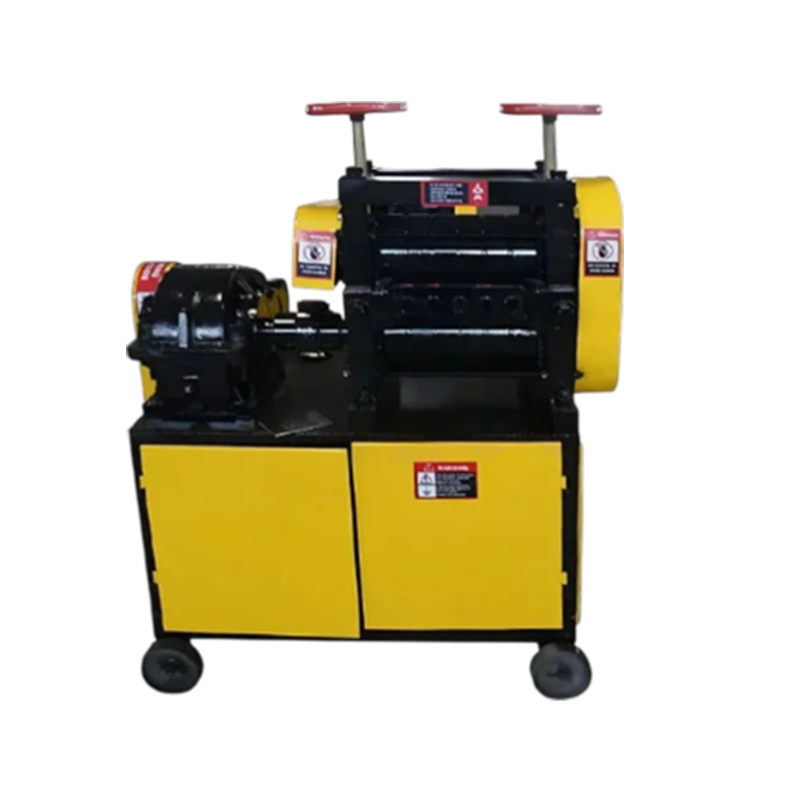
| Product Name | Scrap Straightening Machine |
| Usage/Application | Straightening Scrap Steel Bars and Wire Rods |
| Power Source | Electric |
| Automation Grade | Semi Automatic |
| Power Consuption | 2 Hp |
| Working Speed | 30 m/min |
| Voltage | 380 V, 3 Phase |
| Frequency | 50 Hz |
| Dimension | 1100X600X700 mm |
| Brand | Topall |
| Country of Origin | Made in India |
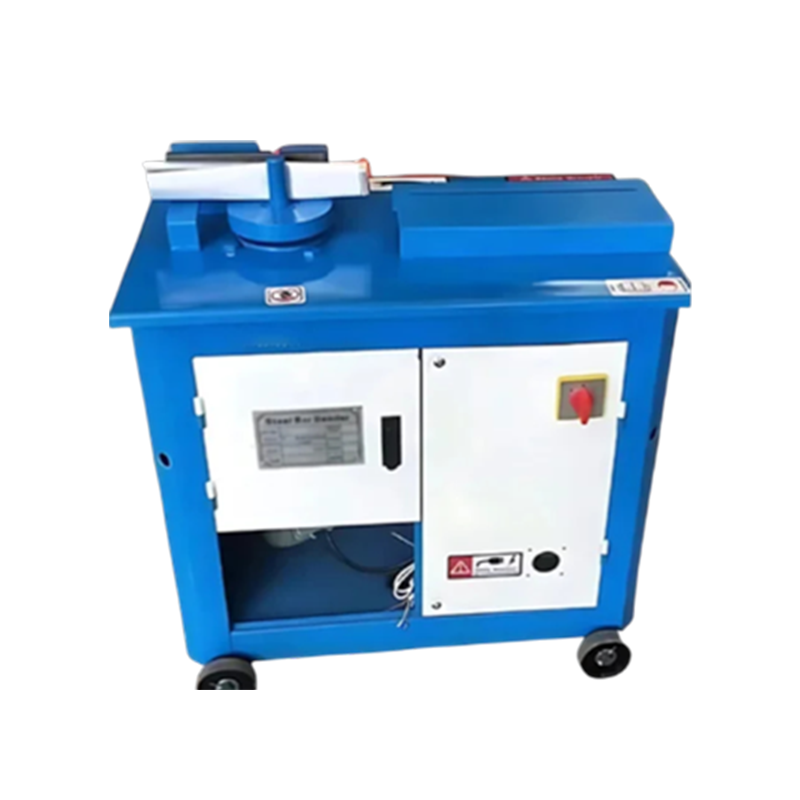
| Specification | Details |
| Model | GW 20 |
| Bending Range (mm) | 4-16 |
| Present Angle | 90°/135° |
| Working Speed (r/min) | 25-30 |
| Angle Feed | Auto |
| Power (Kw) | 2.2 |
| Voltage (v) | 415 |
| Weight (kg) | 95 |
| Dimension | 830 x 550 x 830 |
Decoiling Machine - Best Decoiling Machine Manufacturers & Dealers in Delhi Since 2008 - Topall Impex
A decoiling machine is an industrial equipment that unwinds tightly coiled metal wire or rebar into straight, workable lengths — making it ready for cutting, bending, or further processing on construction and fabrication sites. Without a decoiling machine, handling heavy steel coils manually is slow, risky, and labour-intensive. The machine eliminates all of that by rotating the coil in a controlled, tension-managed way — feeding wire smoothly into downstream equipment like bar bending machines or bar cutting machines. It is available in manual and motorised variants, with load capacities ranging from 500 kg to 3000 kg, and is widely used across construction sites, rebar fabrication units, wire mesh plants, and steel processing facilities. The key advantages are simple — faster material processing, reduced labour costs, improved worker safety, less material wastage, and higher daily output.
Topall Impex, established in 2008, is one of Delhi's most trusted manufacturers and suppliers of decoiling machines — offering a wide range of models, custom configurations, competitive pricing, and strong after-sales support. Whether you are managing a small construction project or running a large fabrication yard, Topall Impex has the right decoiling machine to keep your operations running efficiently.
What is a Decoiling Machine ?
A decoiling machine is an industrial equipment used to unwind coiled metal wire or rebar into straight, usable lengths. In simple terms — when steel wire or TMT bar comes tightly wound in a coil, a decoiling machine unrolls it smoothly so it can be cut, bent, or processed further without tangling, kinking, or manual effort. In the construction industry, decoiling machines are a foundational piece of equipment. Without them, handling heavy metal coils on-site would be time-consuming, physically demanding, and highly inefficient. Topall Impex has been manufacturing and supplying reliable decoiling machines in Delhi and across India since 2008 — helping contractors, builders, and fabricators work faster and smarter.
Where is Decoiling Machine used for?
Decoiling machines are used wherever coiled wire or rebar needs to be straightened and fed into downstream equipment. Common use locations include:
- Construction sites — for unwinding TMT bars and steel wire used in column reinforcement, slabs, and footings.
- Rebar fabrication units — where coiled wire is fed directly into bar bending machines or bar cutting machines.
- Wire drawing plants — to feed wire into drawing or straightening machines continuously.
- Steel processing factories — for handling large coils of MS (mild steel), GI wire, and hard-drawn wire.
- Prefabricated structure manufacturers — where consistent, straight wire feeding is critical for automated production lines.
Whether you are operating a small construction project or a large-scale fabrication yard, a decoiling machine plays a central role in material handling.
Why Decoiling Machine is Important in Construction ?
Steel is the backbone of modern construction. And coiled steel — while efficient for transportation and storage — cannot be used directly. It needs to be unwound properly before it can be cut, bent, or placed in formwork.
Here is why a decoiling machine matters on every construction site:
- Saves time - Manually unwinding a heavy coil is slow and dangerous. A machine does it in minutes.
- Reduces material waste - Smooth, controlled uncoiling prevents kinking and surface damage — keeping wire quality intact.
- Improves worker safety - Heavy coils under tension can snap back and cause serious injuries. A decoiling machine removes this risk entirely.
- Enables continuous workflow - When connected to a cutting or bending machine, a decoiler allows non-stop feeding, dramatically increasing output.
- Lowers labour costs - One machine replaces the effort of multiple workers needed to handle coils manually.
For any serious construction or fabrication operation, a decoiling machine is not a luxury — it is a necessity.
How does Decoiling Machine Work?
The working principle of a decoiling machine is straightforward and effective. The steel coil is loaded onto the spindle or drum of the machine. The coil sits on a rotating cradle or mandrel that holds it firmly in place. As the wire or rebar is pulled forward — either manually or by a feeding machine — the decoiler rotates to release the coil steadily and evenly. Most motorised decoiling machines include a braking system that controls the rotation speed. This prevents the coil from over-spinning, which would cause tangling or slack. The wire exits the machine in a smooth, controlled manner and is ready to enter the next stage of processing — such as a straightening machine, bar cutting machine, or bar bending machine.
The process involves these key steps:
- Load the coil onto the drum or cradle.
- Secure the coil using the locking mechanism.
- Thread the leading end of the wire through the guide rollers.
- Start the machine (manual or motor-driven).
- The coil unwinds steadily as material is pulled forward.
- The braking system maintains tension and prevents over-run.
It is a simple, safe, and highly efficient process once set up correctly.
Types of Decoiling Machine
Not all decoiling machines are the same. Depending on the wire gauge, coil weight, and production volume, different types are available:
- Manual Decoiling Machine The most basic type. The operator rotates the drum manually. Suitable for light-duty applications and smaller coil weights. Low cost and easy to maintain.
- Motorised / Powered Decoiling Machine Driven by an electric motor. Ideal for heavy coils and high-volume production. Provides consistent, uninterrupted feeding with minimal operator effort.
- Heavy-Duty Decoiling Machine Built for large diameter coils — typically 500 kg to 3000 kg or more. Used in steel plants, fabrication facilities, and large infrastructure projects.
- Vertical Decoiling Machine The coil is loaded vertically. This design is space-efficient and suitable for lighter wire gauges.
- Horizontal Decoiling Machine The most common configuration. The coil lies flat on a horizontal cradle. Best for heavier coils and high-speed feeding.
- Decoiler with Straightener A combination unit that both unwinds the coil and straightens the wire in a single pass. This type is common in automated production lines.
Topall Impex supplies multiple variants of decoiling machines to suit different site requirements, coil sizes, and budgets.
Benefits of Decoiling Machine
Investing in a decoiling machine delivers measurable returns across every construction and fabrication operation:
- Faster material processing — Eliminates the bottleneck of manual coil handling.
- Consistent wire quality — Smooth uncoiling preserves the integrity of the wire surface and tensile strength.
- Safer working environment — Eliminates the risk of coil snap-back, cuts, and strains associated with manual handling.
- Higher production output — Continuous, uninterrupted wire feeding means your cutting and bending machines run at full capacity.
- Lower operating costs — Reduced labour dependency and less material wastage directly cut costs.
- Easy integration — Compatible with bar cutting machines, bar bending machines, and wire straightening machines.
- Durable and low maintenance — Quality decoiling machines require minimal upkeep and deliver years of reliable service.
Application of Decoiling Machine
Decoiling machines serve a wide range of industries and applications:
- Reinforced concrete construction — Unwinding TMT bars for column, beam, and slab reinforcement work.
- Wire mesh manufacturing — Feeding wire into mesh welding machines for construction wire mesh production.
- Nail and fastener production — Feeding wire into nail-making machines continuously.
- Spring manufacturing — Supplying wire to coiling and spring-forming machines.
- Cable and conductor manufacturing — Handling copper and aluminium wire coils in electrical manufacturing.
- Barbed wire and chain link fencing — Feeding wire into fencing production equipment.
- Automotive component manufacturing — Handling wire and strip materials for press and stamping lines.
Wherever coiled metal needs to be processed, a decoiling machine is the starting point.
Advantages of using Decoiling Machine
Beyond the basic benefits, here are the deeper operational advantages that experienced contractors and fabricators recognise:
- Better coordination with downstream equipment. When your decoiling machine feeds wire at a consistent speed and tension, your bar bending machine or cutting machine performs at peak efficiency — no jams, no stoppages.
- Reduced physical strain on workers. Occupational injuries related to manual coil handling are a significant cost — in medical expenses, lost productivity, and compliance penalties. A decoiling machine eliminates this risk.
- Space optimisation on site. A well-placed decoiler keeps coils organised and off the ground, reducing clutter and improving site safety compliance.
- Scalability. As your project scale grows, a motorised heavy-duty decoiler can handle larger coils without any change in your downstream workflow.
- Return on investment. The cost of a good decoiling machine is recovered quickly through labour savings, reduced waste, and higher daily output.
How to Choose the Right Decoiling Machine For Your Projects - Tips & Tricks
Choosing the wrong machine wastes money. Here is how to choose the right decoiling machine for your specific need:
Step 1 — Know your coil weight. The most important factor. If you regularly handle coils of 1000 kg or more, invest in a heavy-duty motorised decoiler. For lighter coils under 500 kg, a manual unit may be sufficient.
Step 2 — Check wire diameter compatibility. Make sure the machine's roller guides and drum are suited to the wire diameter you work with most. A machine rated for 4 mm to 12 mm wire will struggle with 16 mm TMT bars.
Step 3 — Consider your production volume. High-volume fabrication units need a motorised decoiler with a braking system. Low-volume or site-based operations can use manual models.
Step 4 — Match it to your downstream equipment. If you are feeding wire into a bar bending machine or cutting machine, ensure the decoiler's feeding speed is compatible.
Step 5 — Think about space. Horizontal decoilers need more floor space. Vertical models are more compact. Choose based on your available workspace.
Step 6 — Evaluate after-sales support. A machine is only as good as the service behind it. Choose a manufacturer with a proven track record, spare parts availability, and responsive support — like Topall Impex.
Step 7 — Do not choose on price alone. A cheap decoiler with poor build quality will cost more in breakdowns, downtime, and replacements. Invest in quality once.
Safety Tips for Operating a Decoiling Machine— How to Operate Step-by-Step
Safety on any construction or fabrication site is non-negotiable. Follow these guidelines every time you operate a decoiling machine:
Before starting:
- Inspect the machine frame, drum, rollers, and braking system for any visible damage.
- Ensure the coil is centred and securely seated on the mandrel or cradle.
- Check that all guards and safety covers are in place.
- Wear appropriate PPE — gloves, safety shoes, and eye protection.
During operation:
- Stand clear of the unwinding coil path. Do not stand directly in line with the wire exit.
- Never attempt to guide wire by hand while the machine is running.
- Monitor tension continuously — excessive slack or overspeed indicates a braking issue.
- Keep bystanders away from the operating area.
Loading the coil:
- Always use a crane, forklift, or coil lifter for heavy coils. Never attempt to manually lift coils over 100 kg.
- Ensure the coil rotation direction matches the machine feed direction before starting.
After use:
- Release tension from the braking system.
- Cover unused coils to protect from moisture and debris.
- Clean guide rollers and check for wire residue or damage.
Emergency stop:
- Know the location of the emergency stop button before you begin.
- Never attempt to stop the coil with your hands or feet.
Operating a decoiling machine safely is simple when you follow the process consistently.
Maintenance Tips of Decoiling Machine
A well-maintained decoiling machine lasts longer, performs better, and costs less to run. Follow this maintenance schedule:
Daily checks:
- Inspect guide rollers for wear and foreign material.
- Check the braking system for proper tension.
- Lubricate moving parts as required.
- Check for loose bolts or fasteners on the frame and drum.
Weekly maintenance:
- Clean the entire machine — remove wire residue, dust, and debris.
- Inspect the mandrel or spindle for signs of wear or deformation.
- Test the motor (for motorised models) — check for unusual sounds or vibration.
Monthly maintenance:
- Inspect bearings and replace if worn.
- Check electrical connections and wiring insulation on motorised units.
- Test braking system performance under load.
- Verify all safety guards are present and functioning.
Periodic servicing:
- Have the machine professionally serviced every 6 months if used in heavy-duty continuous production.
- Keep a log of maintenance activities — this helps identify recurring issues early.
Good maintenance is the single best investment you can make after buying the machine.
Common Problems & Troubleshooting Guide of Decoiling Machine
Even well-built machines can face occasional issues. Here is how to identify and fix the most common decoiling machine problems:
Problem: Wire is tangling or looping during uncoiling.
Cause: Insufficient brake tension or over-speed of the drum.
Solution: Increase braking force. Check if the downstream machine is pulling wire too fast or intermittently.
Problem: Coil is slipping off the drum.
Cause: Improper coil seating or worn mandrel arms.
Solution: Re-seat the coil and check the locking mechanism. Inspect mandrel arms for wear and replace if necessary.
Problem: Wire kinking as it exits the machine.
Cause: Guide roller misalignment or incorrect roller gap.
Solution: Realign guide rollers and adjust the gap to match the wire diameter.
Problem: Motor overheating (motorised models).
Cause: Overloading the motor beyond its rated capacity, or poor ventilation.
Solution: Reduce coil load if exceeding rated capacity. Check motor ventilation and clean cooling fins.
Problem: Excessive vibration during operation.
Cause: Unbalanced coil loading or worn bearings.
Solution: Re-balance the coil on the drum. Inspect and replace worn bearings.
Problem: Machine is running but wire is not feeding properly.
Cause: Brake is too tight, or guide rollers are seized.
Solution: Release brake tension partially. Inspect and lubricate or replace seized rollers.
When in doubt, contact Topall Impex's technical support team for professional guidance.
Why Choose Topall Impex For Decoiling Machine
There are many suppliers of construction equipment in India. Here is why contractors, builders, and fabricators across Delhi and beyond consistently choose Topall Impex:
16+ years of manufacturing experience - Since 2008, we have built our reputation on quality, reliability, and service. We understand the real-world demands of Indian construction sites.
In-house manufacturing - Our machines are not assembled from imported parts. We design, fabricate, and test every machine in our own facility — giving us full control over quality.
Wide product range - From manual decoilers for small sites to heavy-duty motorised units for large fabrication yards — we have the right machine for every need.
Custom configurations available - We build machines to meet your exact specifications — coil capacity, wire diameter, motor power, or space constraints.
Competitive pricing - Direct manufacturer pricing means no middleman markup. You get the best value for your investment.
Strong after-sales support - Our technical team is available for installation guidance, operator training, spare parts, and servicing.
Trusted by hundreds of clients - Our machines are running successfully at construction sites, fabrication units, and industrial facilities across Delhi, NCR, and India.
Complete construction equipment ecosystem - Topall Impex also manufactures bar bending machines, bar cutting machines, and other construction equipment — so you can source your entire material processing line from one trusted partner.
Check Out Decoiling Machine Price / Cost in India
Decoiling machine prices in India vary depending on the type, capacity, and features. Here is a general price range to help you plan:
- Manual Decoiling Machine (light duty) - ₹15,000 – ₹35,000
- Motorised Decoiling Machine (medium duty) - ₹40,000 – ₹80,000
- Heavy-Duty Motorised Decoiling Machine - ₹85,000 – ₹2,00,000+
- Decoiler + Straightener Combo Unit - ₹60,000 – ₹1,50,000
Prices are indicative and may vary based on specifications, customisation, and current raw material costs. Factors that affect the final price include coil capacity, wire diameter range, motor power, braking system type, frame size, and whether the unit includes a straightener. For an accurate, no-obligation quotation tailored to your exact requirement — contact Topall Impex directly.
Contact Topall Impex (BarBendingMachine.in) For Decoiling Machine At Best Price in Delhi - Trusted Rebar Decoiling Machine Suppliers Manufacturers and in Delhi Since 2008
If you are looking for a reliable, high-quality decoiling machine at a competitive price — Topall Impex is your answer. We are manufacturers and suppliers of decoiling machines in Delhi, serving clients across Delhi NCR, Uttar Pradesh, Haryana, Rajasthan, and all major states of India. Whether you need a single machine for a small site, a bulk order for a large project, or a custom-built unit for a specific application — we are ready to help.
Get in touch with us today:
Company: Topall Impex (BarBendingMachine.in) Location: Delhi, India Established: 2008 Specialisation: Decoiling Machines, Bar Bending Machine, Bar Cutting Machine, Bar Straightening Machine , Bar Threading Machine and Construction Equipment .
Call us, WhatsApp us, or fill in the enquiry form on our website to get the best price on decoiling machines in Delhi. Our team will respond promptly with full product details, specifications, and a customised quotation.
Build stronger. Build smarter. Build with Topall Impex.